Is the 2025 Atlantic Basin Hurricane Season Over?
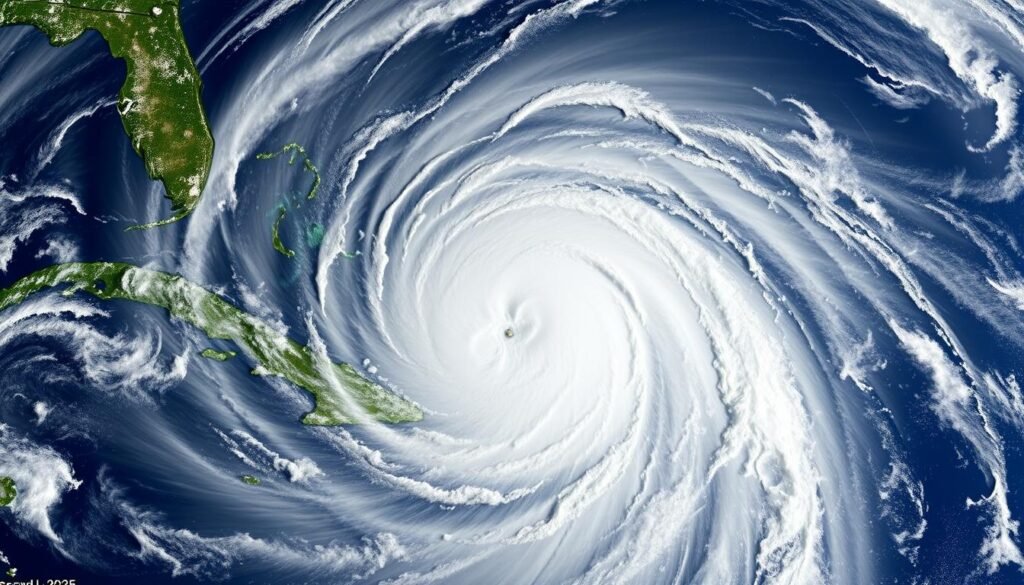
As we approach the end of the calendar year, many residents in coastal areas are wondering if the 2025 Atlantic Basin hurricane season has concluded. With Hurricane Melissa’s recent Category 5 impact on Jamaica in late October, and ongoing tropical activity, it’s important to understand where we stand in this active season and what we might expect in the coming weeks.
The Official Timeline of Atlantic Hurricane Season
The Atlantic hurricane season officially runs from June 1 to November 30 each year. This six-month period was established because it historically encompasses about 97% of tropical cyclone activity in the Atlantic Basin. The season peaks around September 10, when ocean temperatures are typically at their warmest and atmospheric conditions are most conducive to storm development.
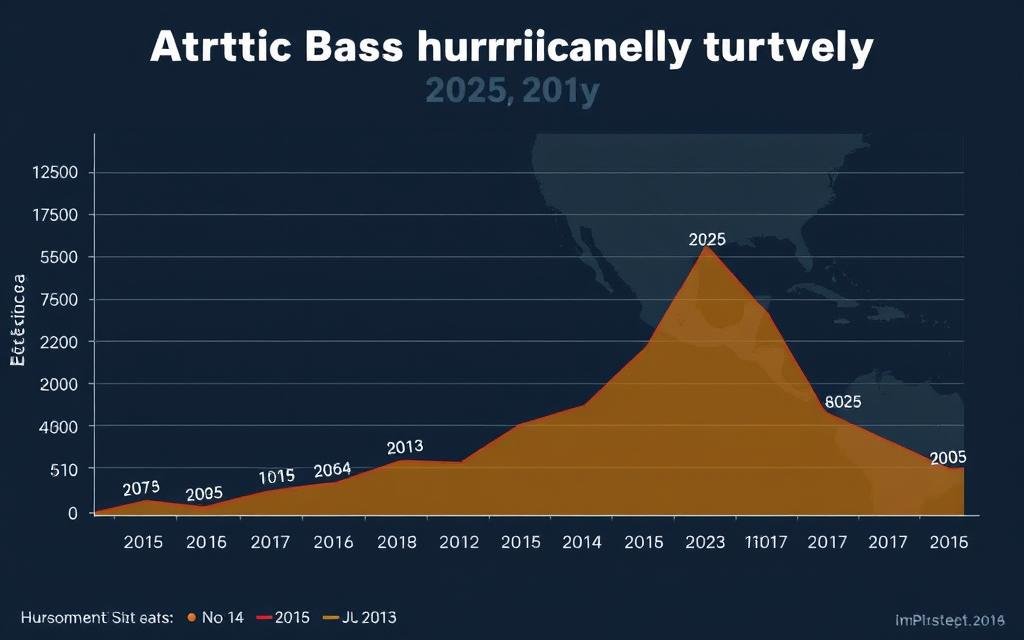
Historical distribution of Atlantic Basin hurricane activity with 2025 data highlighted
However, it’s important to note that these dates are not absolute boundaries. Tropical systems can and do form outside this window, though they’re less common. In recent years, climate scientists have observed a trend of earlier season starts and later season endings, leading to discussions about potentially extending the official hurricane season.
Current Storm Activity in the 2025 Atlantic Basin
As of October 29, 2025, the Atlantic Basin has experienced 13 named storms, including five hurricanes, four of which were classified as major hurricanes (Category 3 or higher). Most notably, Hurricane Melissa became the third Category 5 hurricane of the season on October 27, making landfall in Jamaica on October 28 as one of the strongest storms ever recorded in the Atlantic Basin.
| Storm Type | 2025 Season (So Far) | Average (1991-2020) | Forecast (April 2025) |
| Named Storms | 13 | 14.4 | 16 |
| Hurricanes | 5 | 7.2 | 8 |
| Major Hurricanes | 4 | 3.2 | 3 |
The 2025 season has been particularly notable for having three Category 5 hurricanes (Erin, Humberto, and Melissa) – a phenomenon that hasn’t occurred since the record-breaking 2005 season. This marks the fourth consecutive year with at least one Category 5 hurricane in the Atlantic Basin.
Stay Informed About Hurricane Activity
Get our free Hurricane Tracking Guide and receive timely alerts about developing storms in the Atlantic Basin. Be prepared before storms threaten your area.
Late-Season Hurricane Potential in 2025
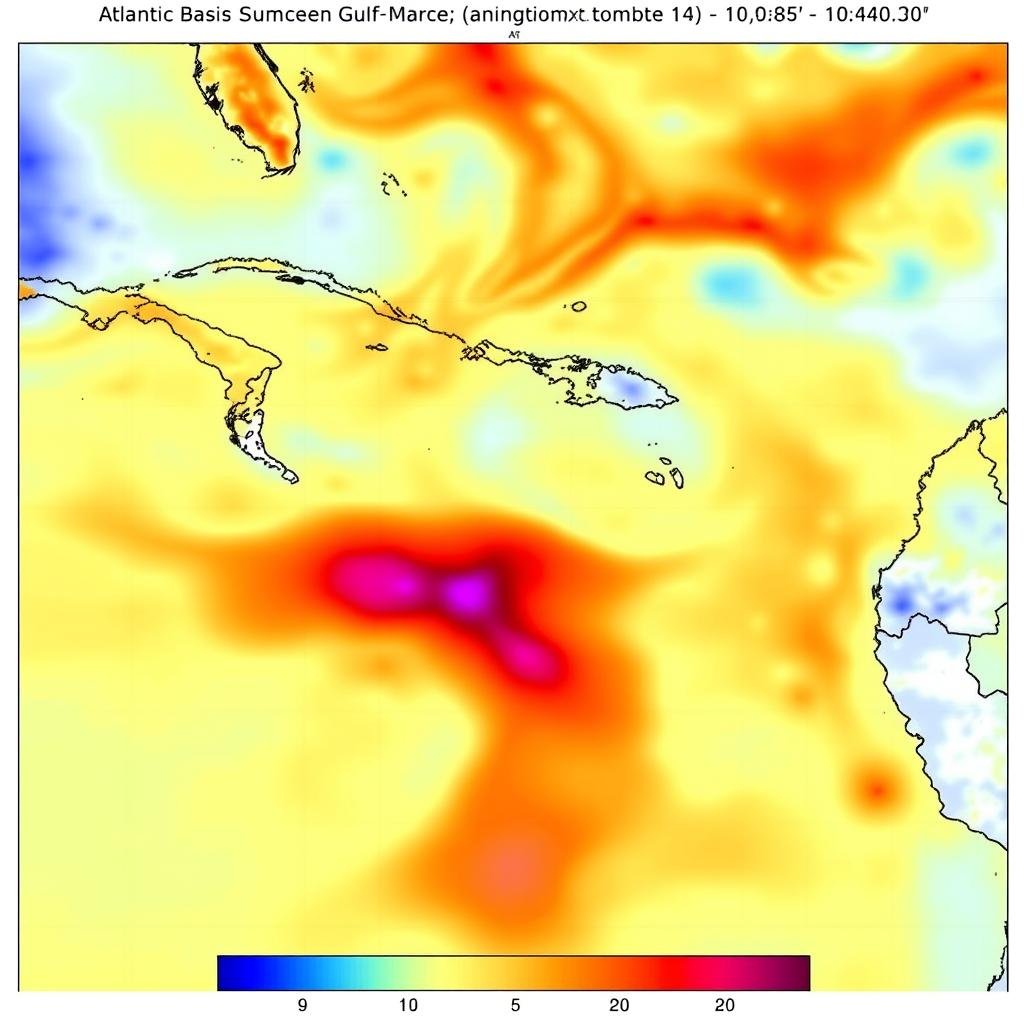
While we’re approaching the end of the official hurricane season, meteorological conditions suggest the potential for continued activity in the Atlantic Basin. Current sea surface temperatures remain above average in key development regions, particularly in the Caribbean Sea and Gulf of Mexico, providing fuel for potential late-season storms.

Sea surface temperature anomalies in the Atlantic Basin (October 2025)
According to the National Hurricane Center, there are currently two areas of interest being monitored for potential development in the next 5-7 days. One system located in the eastern Caribbean has a 40% chance of developing into a tropical depression or storm within the next 48 hours. The second disturbance, located in the central Atlantic, shows a 20% chance of development over the next five days.
Historical Context of Late-Season Hurricanes
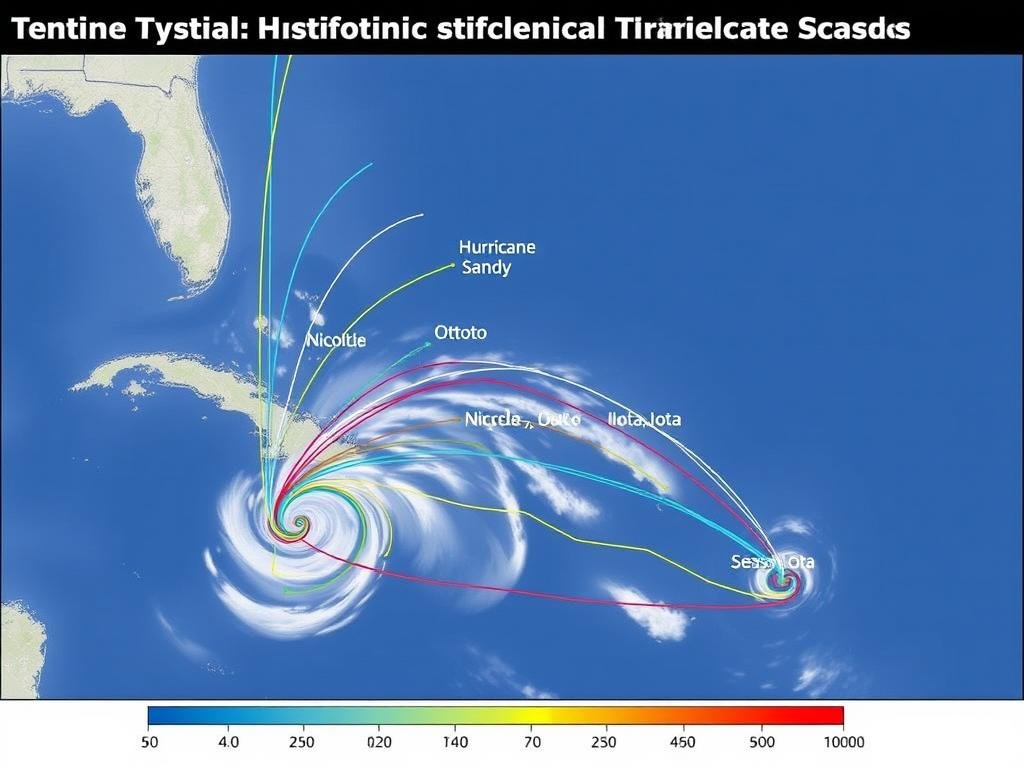
Late-season hurricanes, while less common, can be just as destructive as their peak-season counterparts. In the past decade, several notable late-season storms have caused significant impacts:
- Hurricane Sandy (2012) formed in late October and impacted the U.S. Northeast in early November
- Hurricane Otto (2016) formed in late November and made landfall in Central America on November 24
- Hurricane Iota (2020) became a Category 5 hurricane on November 16
- Hurricane Nicole (2022) made landfall in Florida on November 10
The latest Atlantic hurricane on record was Hurricane Alice, which formed on December 30, 1954, and continued into early January 1955. This historical precedent reminds us that tropical systems can form outside the official season boundaries, particularly when oceanic and atmospheric conditions remain favorable.
Expert Opinions and Forecasts for the Remainder of 2025
The National Hurricane Center and other meteorological agencies continue to monitor the Atlantic Basin closely as we approach the end of the official hurricane season. According to Dr. Phil Klotzbach of Colorado State University, “While we’re past the peak of hurricane season, conditions remain conducive for additional storm development through November.”
“The 2025 Atlantic hurricane season has been remarkable for its intensity rather than storm frequency. With three Category 5 hurricanes already recorded, we’re seeing the effects of above-average sea surface temperatures combined with favorable atmospheric conditions. We cannot rule out additional storm formation through the end of November and potentially beyond.”
The NOAA Climate Prediction Center’s extended outlook indicates a 30% chance of above-normal tropical cyclone activity for the remainder of the 2025 hurricane season. This is influenced by several key factors:
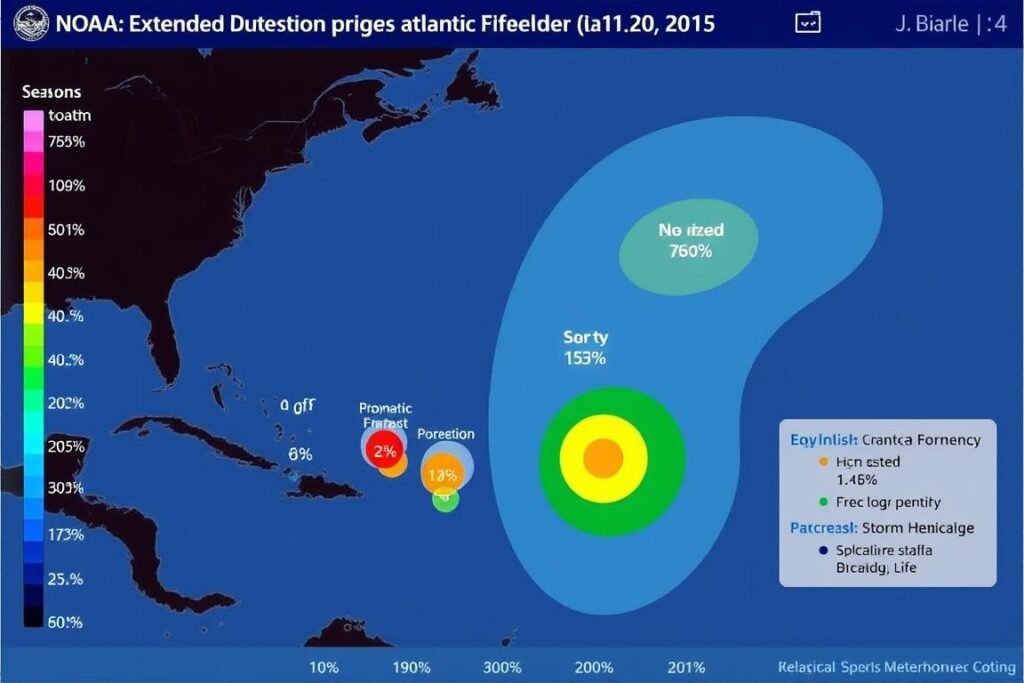
NOAA’s extended outlook for November-December 2025
Climate Patterns Affecting Late-Season Activity
Several climate patterns are influencing the late-season hurricane potential in the Atlantic Basin:
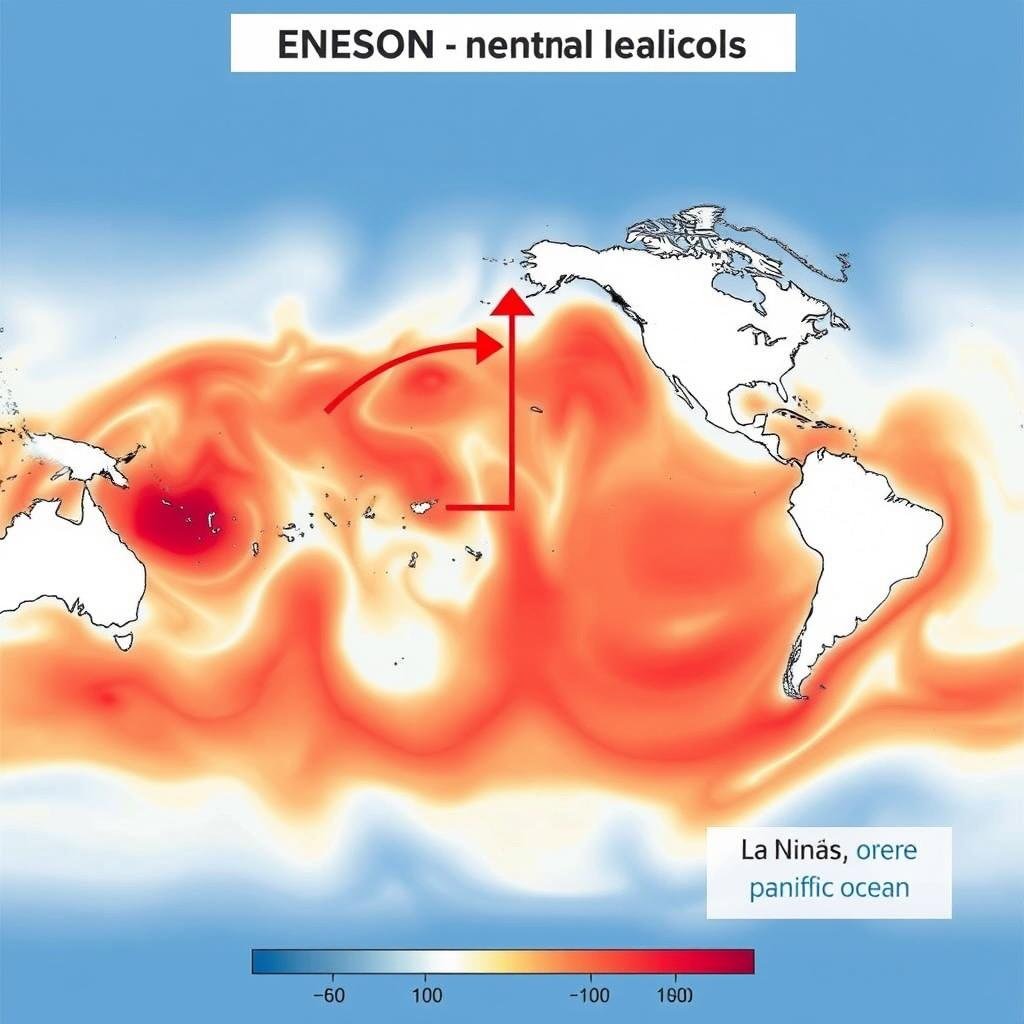
ENSO Conditions
The Atlantic Basin is currently experiencing ENSO-neutral conditions, which typically don’t suppress hurricane formation as El Niño patterns would. Some models suggest a potential transition toward La Niña conditions, which could further enhance late-season development.
Sea Surface Temperatures
Sea surface temperatures remain 1-2°C above average across much of the Caribbean and Gulf of Mexico. These warm waters continue to provide energy for potential storm development, even as we approach the end of the official season.
Madden-Julian Oscillation
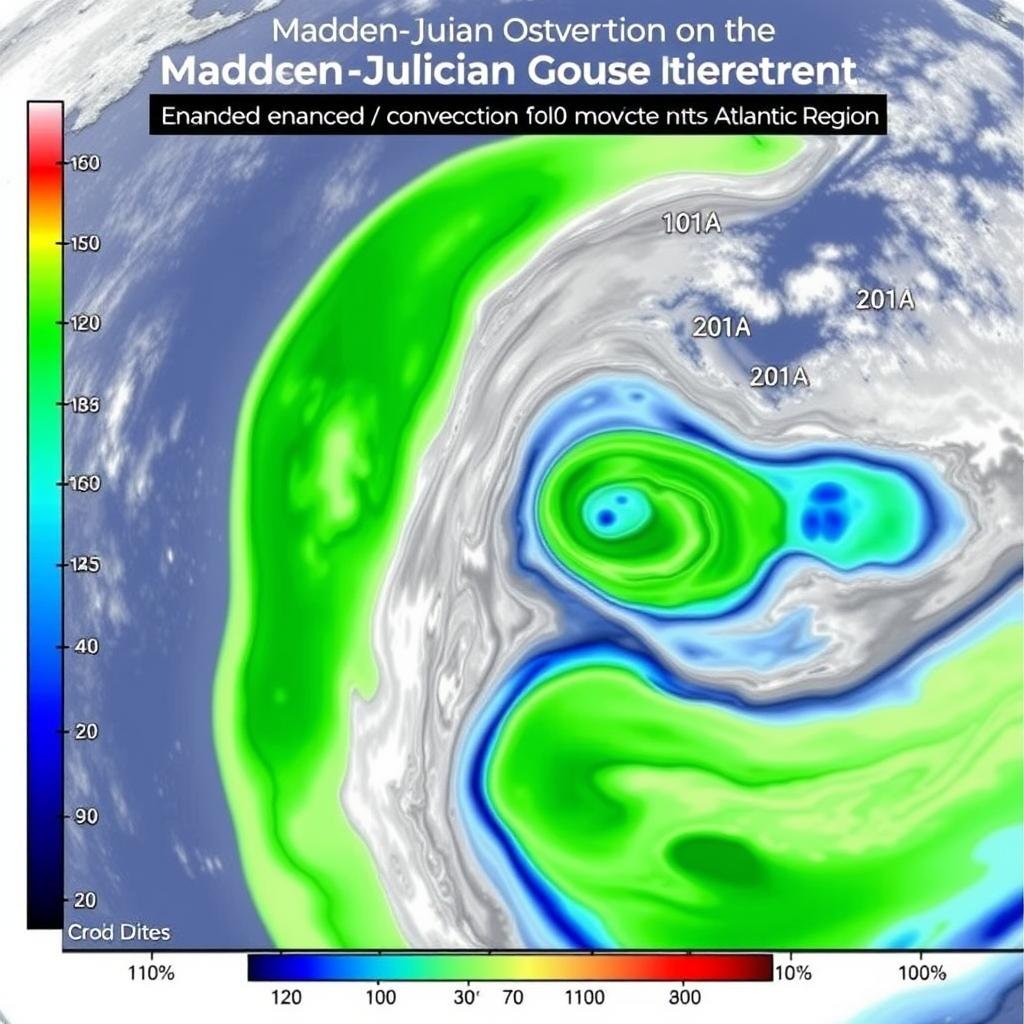
The Madden-Julian Oscillation (MJO) is entering a phase that typically enhances Atlantic tropical cyclone development. This pattern of increased convection is expected to persist through mid-November, potentially supporting additional storm formation.
Safety Recommendations for Hurricane-Prone Areas
Regardless of whether the official hurricane season is winding down, residents in hurricane-prone areas should maintain preparedness throughout the year. Here are essential safety recommendations:
Hurricane Preparedness Essentials
- Maintain an emergency kit with at least 7 days of supplies
- Keep important documents in waterproof containers
- Know your evacuation zone and have a plan ready
- Ensure your insurance policies are up-to-date and adequate
- Have a communication plan for family members
- Keep cell phones charged and have backup power sources
Common Preparedness Mistakes
- Waiting until a storm is approaching to prepare
- Assuming the season is over before the official end date
- Not having adequate flood insurance coverage
- Failing to secure loose outdoor items
- Ignoring evacuation orders
- Relying solely on cell phones for communication
Remember: Even a single late-season hurricane can cause catastrophic damage. The 2025 Atlantic hurricane season has already demonstrated the potential for intense storms, with three Category 5 hurricanes recorded. Remain vigilant and prepared, regardless of the calendar date.
Monitoring Resources
Stay informed about potential storm development by regularly checking these authoritative sources:
- National Hurricane Center – Official forecasts and advisories
- National Weather Service – Local weather information and alerts
- NOAA – Comprehensive weather and climate data
- Colorado State University Tropical Meteorology Project – Research-based forecasts

Stay Ahead of Hurricane Threats
Sign up for our weather alert service to receive timely notifications about developing tropical systems in the Atlantic Basin. Our meteorologists monitor conditions 24/7 to keep you informed about potential threats.
Conclusion: Is the 2025 Atlantic Hurricane Season Over?
Based on current meteorological data, ongoing storm activity, and expert forecasts, the 2025 Atlantic Basin hurricane season is not yet over. While we’ve passed the statistical peak of the season, several factors indicate the potential for continued tropical cyclone development through November and possibly beyond:
- Above-average sea surface temperatures persist in key development regions
- ENSO-neutral conditions don’t provide the suppressing effect that El Niño typically would
- Current areas of interest are being monitored for potential development
- Historical precedent shows significant hurricanes can form in November and even December
The 2025 Atlantic hurricane season has already been remarkable, with three Category 5 hurricanes (Erin, Humberto, and Melissa) – a phenomenon not seen since 2005. As we approach the official end of the season on November 30, residents in hurricane-prone areas should remain vigilant, maintain preparedness, and stay informed about developing weather systems.
Remember that hurricane preparedness is a year-round necessity, not just during the official hurricane season. Climate patterns continue to evolve, and out-of-season storms are becoming more common. The best approach is to stay informed, have a plan, and be ready to act if threatening conditions develop.