Fireballs and a Full Moon: How to See Two Celestial Events This Week

This week offers stargazers a double treat as two spectacular celestial events grace our night skies. The Taurid meteor shower will produce bright fireballs streaking across the darkness, while the full Hunter’s Moon will illuminate the landscape with its autumn glow. Whether you’re an experienced astronomer or a casual sky-watcher, these events provide perfect opportunities to connect with the cosmos. Here’s everything you need to know about when, where, and how to witness these celestial spectacles.
The Taurid Meteor Shower: Nature’s Fireworks Display
A bright Taurid fireball illuminates the night sky during peak activity
What Are Fireballs and Why Are They Special?
Fireballs are exceptionally bright meteors that can light up the entire sky for a few seconds. While regular meteors are typically the size of a grain of sand, fireballs come from larger pieces of space debris, often the size of a pebble or larger. What makes the Taurid meteor shower special is its reputation for producing these spectacular fireballs, earning it the nickname “Halloween Fireballs” due to its timing.
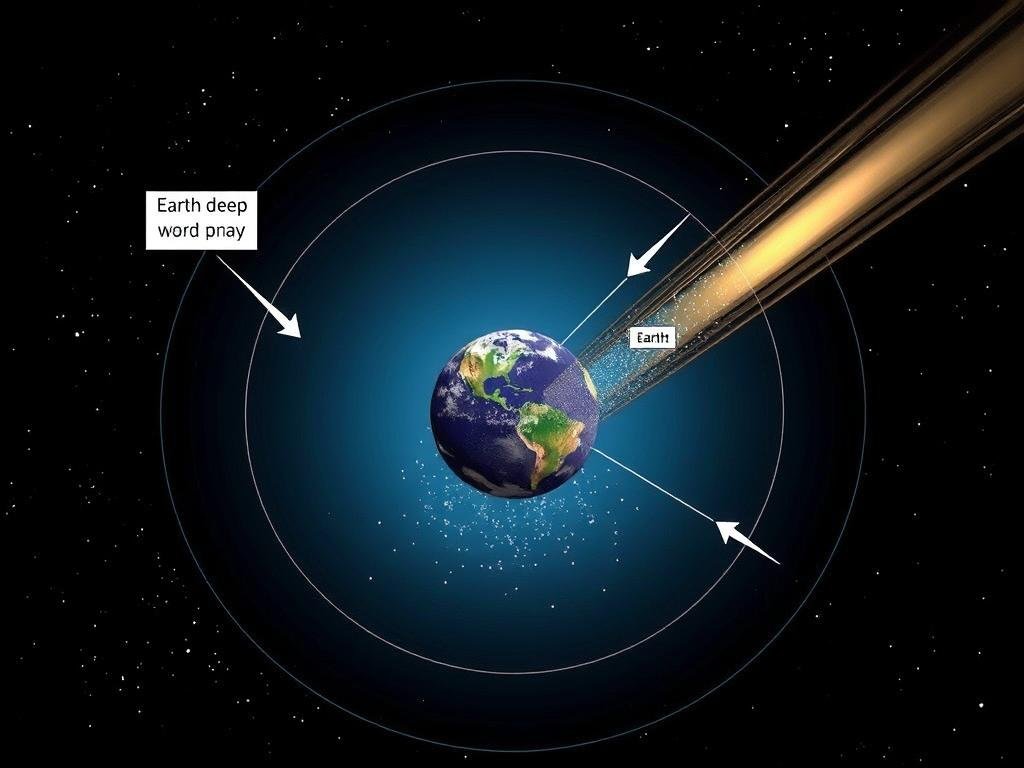
The Taurid meteor shower occurs as Earth passes through debris left by Comet Encke
When to Watch: Peak Dates and Times
The Taurid meteor shower actually consists of two streams: the Southern Taurids and the Northern Taurids. This year, the combined shower peaks from November 6-12, with the best viewing opportunities occurring during the following times:
| Date | Best Viewing Hours (Local Time) | Expected Rate | Moon Interference |
| November 6-7 | 10:00 PM – 2:00 AM | 5-7 meteors per hour | High (Full Moon) |
| November 8-9 | 11:00 PM – 4:00 AM | 5-10 meteors per hour | Moderate (Waning Gibbous) |
| November 10-12 | Midnight – 5:00 AM | 3-5 meteors per hour | Moderate to Low |
While the Taurids don’t produce high numbers of meteors compared to showers like the Perseids, they compensate with quality over quantity. You might see fewer meteors, but those you do spot are more likely to be dramatic fireballs that create memorable viewing experiences.
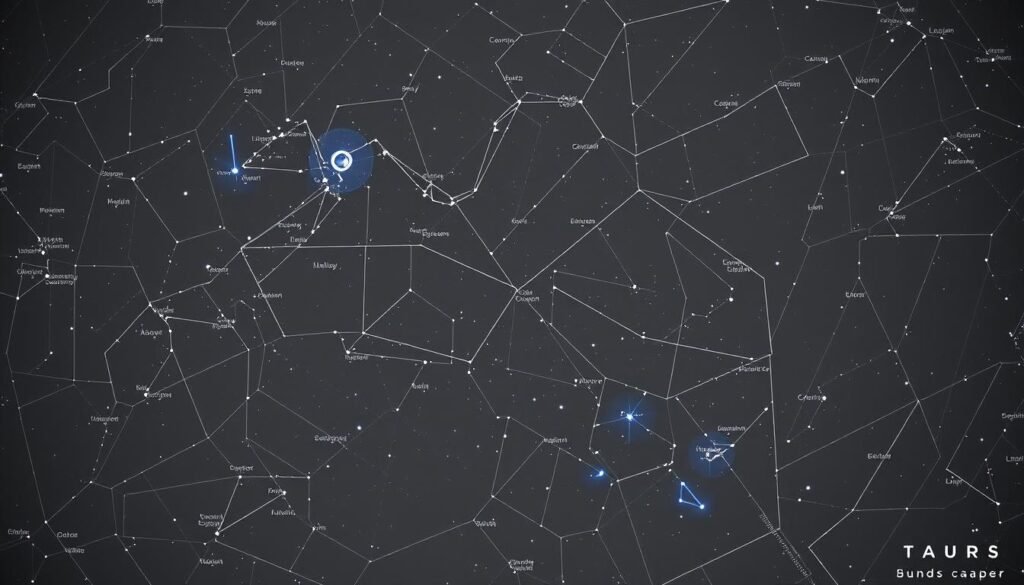
Star map showing the Taurus constellation and the radiant point of the Taurid meteor shower
Where to Look in the Night Sky
Taurid meteors appear to radiate from the constellation Taurus (the Bull), which rises in the east after sunset and moves across the southern sky during the night. However, you don’t need to stare directly at Taurus to see the meteors. In fact, fireballs can appear anywhere in the sky, though they will seem to streak away from the direction of Taurus.
For best results, face east to southeast during the early evening, and then south as the night progresses. The meteors will be visible across the entire sky, so a wide field of view is more important than focusing on a specific area.
November’s Full Hunter’s Moon
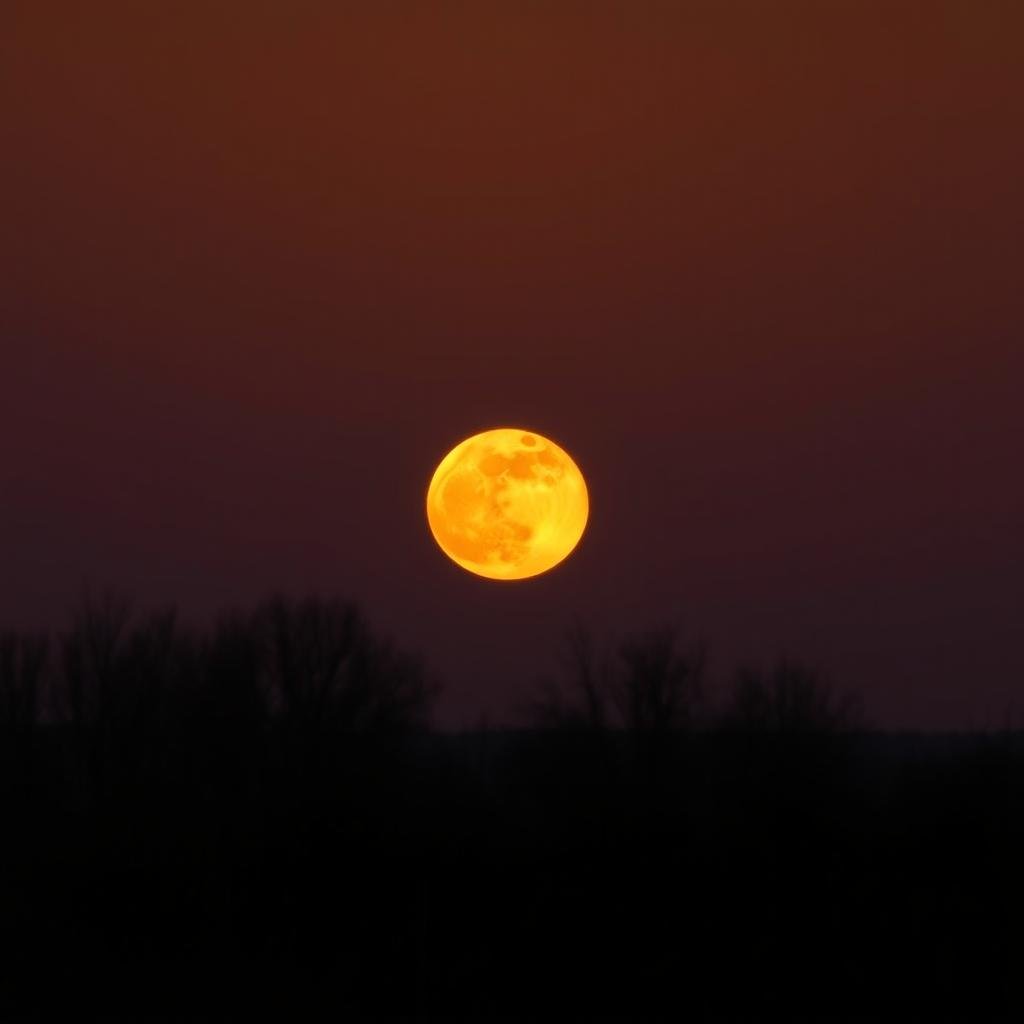
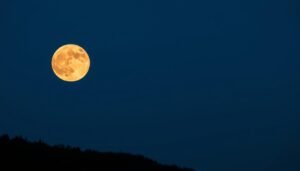
The Full Hunter’s Moon rises with its characteristic orange-amber glow
The Hunter’s Moon: Name and Significance
The November full moon is traditionally known as the Hunter’s Moon or Beaver Moon in North America. This name dates back to Native American and colonial traditions, when this was the time to set traps for beavers before waters froze, ensuring a supply of warm furs for winter. It was also a time when hunters tracked and prepared game for the cold months ahead, using the bright moonlight to extend their hunting time after sunset.
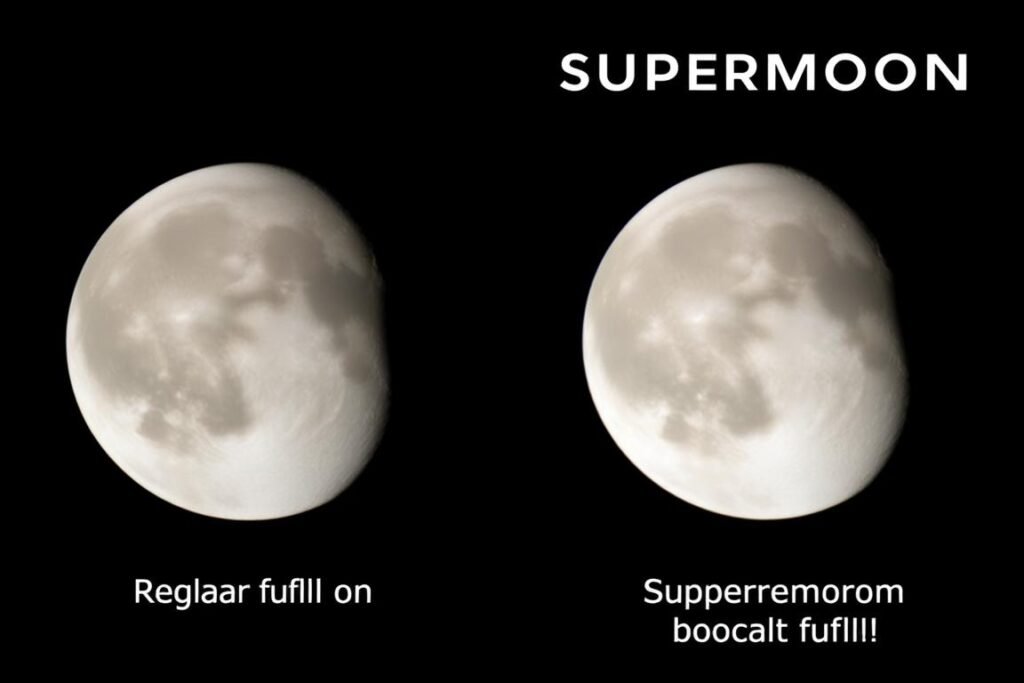
This November’s full moon will appear larger than average as it’s the largest full moon of the year
When to See the Full Moon
This month’s full moon reaches its peak fullness on November 5th at 13:19 Universal Time (UT), which translates to:
- Eastern Time: 8:19 AM
- Central Time: 7:19 AM
- Mountain Time: 6:19 AM
- Pacific Time: 5:19 AM
- Alaska Time: 4:19 AM
- Hawaii Time: 3:19 AM
- GMT/UTC: 13:19
- CET (Europe): 14:19
While the moon is technically fullest at these times, it will appear full to the naked eye for about three days centered around this peak time. For the most dramatic viewing experience, try to catch the moonrise on the evening of November 4th or 5th, when the moon appears largest and takes on a beautiful amber color due to atmospheric effects.
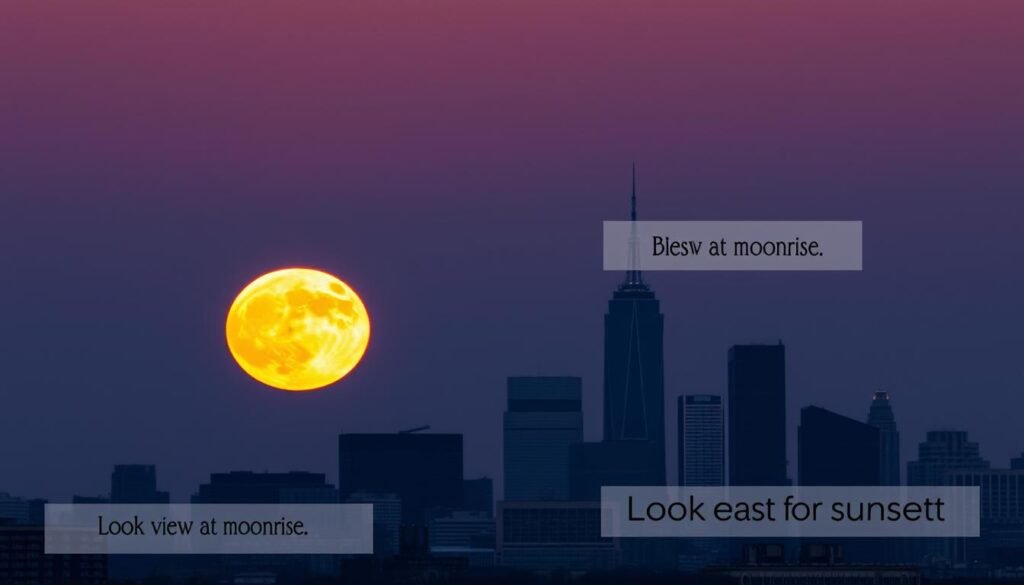
The full moon appears largest and most colorful when rising near the horizon
Special Characteristics of This Full Moon
This November’s full moon is notable for being the largest full moon of 2025. While not technically a supermoon by all definitions, it will appear slightly larger than an average full moon because it occurs near the moon’s perigee (the closest point to Earth in its orbit). This proximity makes the moon appear about 7% larger and 15% brighter than an average full moon.
Best Viewing Locations and Conditions
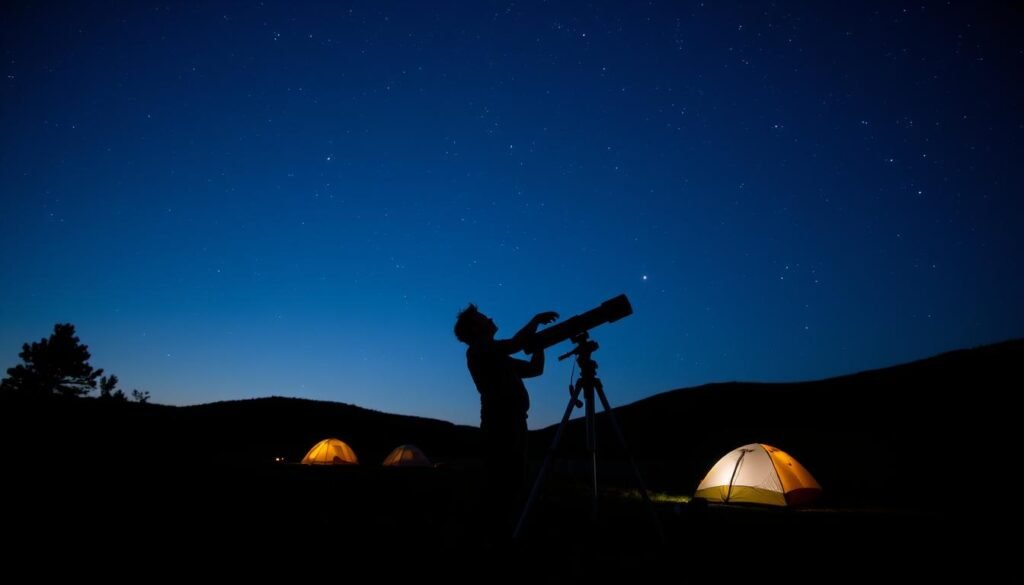
Finding a dark sky location away from city lights improves viewing of both meteors and the moon
Finding the Perfect Spot
For optimal viewing of both celestial events, consider these location factors:
Meteor Shower Viewing
- Choose a location away from city lights and light pollution
- Find an open area with a wide view of the sky
- Higher elevations often provide clearer skies
- Parks, fields, and rural areas are ideal
- Check local dark sky maps for designated viewing areas
Full Moon Viewing
- An unobstructed eastern horizon is best for moonrise
- Elevated positions offer better views of the horizon
- Beaches, lakeshores, and mountaintops provide dramatic settings
- Urban locations can work for moon viewing (unlike meteor showers)
- Consider foreground elements for photography (buildings, trees)

Check weather forecasts for clear skies before planning your viewing session
Weather and Timing Considerations
The success of your viewing experience depends heavily on weather conditions and timing:
- Cloud cover: Clear skies are essential, especially for meteor watching
- Humidity: Low humidity provides better transparency for viewing
- Wind: Calm conditions make for more comfortable extended viewing
- Moon phase: The full moon will make meteor spotting more challenging, so focus on the brightest fireballs
- Timing: Allow 20-30 minutes for your eyes to fully adapt to darkness
- Temperature: November nights can be cold, so dress warmly for comfort during extended viewing
Pro Tip: Use astronomy apps like SkySafari, Stellarium, or Star Walk 2 to check the exact moonrise time for your specific location, as this varies based on your coordinates and local terrain.
Equipment and Photography Tips
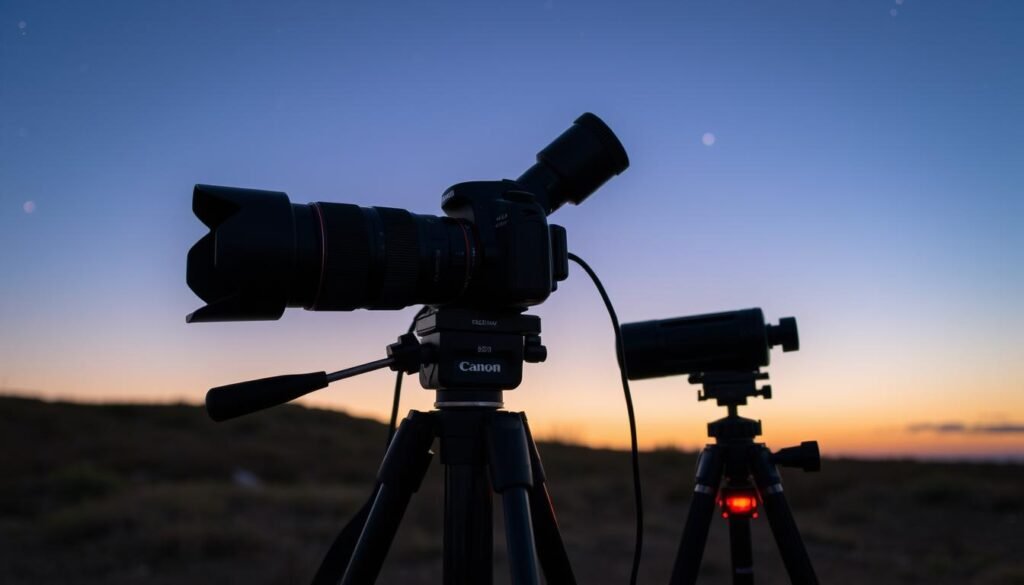
Basic astrophotography setup for capturing meteors and the full moon
Naked-Eye Observation
Both the Taurid meteors and the full moon are easily visible to the naked eye. In fact, for meteor watching, using no equipment at all is often the best approach since it allows you to scan the largest area of sky. Here’s what you need for comfortable naked-eye viewing:
- A comfortable reclining chair or blanket for looking upward
- Warm clothing (layers are recommended for November nights)
- Thermos with warm drinks
- Red-light flashlight (preserves night vision)
- Star chart or astronomy app (with night mode enabled)
- Patience – meteor watching requires time and persistence

Basic equipment for enhanced viewing: binoculars, star chart, and red flashlight
Optical Aids
While not necessary, certain equipment can enhance your viewing experience:
For Meteor Watching:
- Binoculars: Not recommended (too narrow field of view)
- Wide-angle lens: Useful for photography only
- Sky map: Helpful for identifying the radiant point
For Moon Viewing:
- Binoculars: 7×50 or 10×50 show excellent lunar detail
- Small telescope: Reveals craters, mountains, and maria
- Moon filter: Reduces glare for comfortable viewing
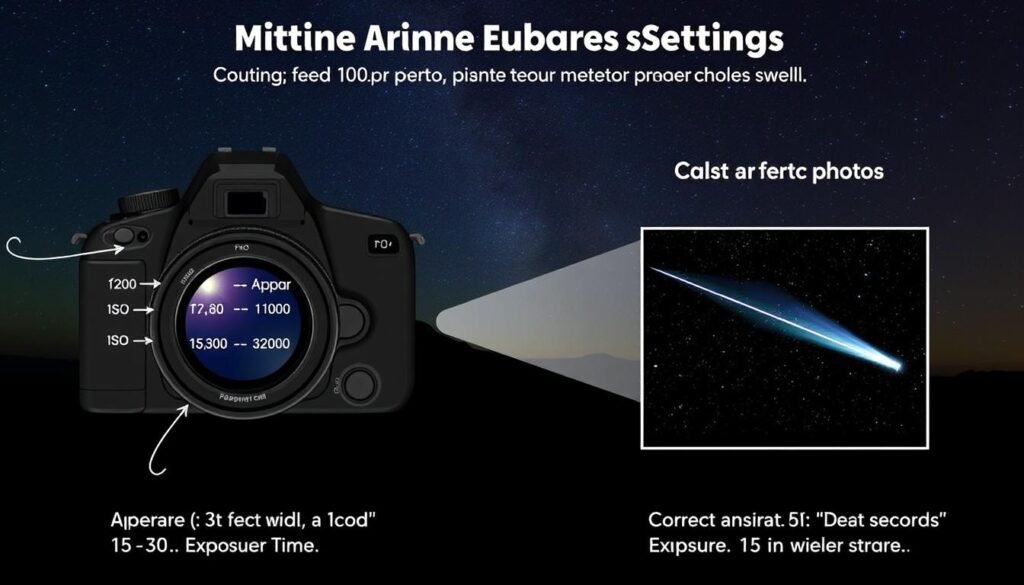
Recommended camera settings for capturing meteors and the full moon
Photography Tips
Capturing these celestial events requires different approaches:
Meteor Photography
- Use a DSLR or mirrorless camera with manual settings
- Wide-angle lens (14-24mm) to capture more sky
- Sturdy tripod is essential
- Set to manual focus at infinity
- Use high ISO (1600-3200)
- Open aperture (f/2.8 or wider)
- Long exposure (15-30 seconds)
- Remote shutter release or timer to prevent camera shake
- Take continuous shots to increase chances of capturing a meteor
Full Moon Photography
- DSLR, mirrorless, or smartphone with telephoto capability
- Longer focal length (200mm+) for detailed moon shots
- Tripod is necessary, especially for telephoto lenses
- Lower ISO (100-400) for cleaner images
- Smaller aperture (f/8-f/11) for sharpness
- Faster shutter speed (1/125-1/250) to prevent blur
- Bracket exposures (try multiple settings)
- Consider HDR for moonrise/landscape combinations
- Use 2-second timer to eliminate vibration
“The best meteor photographs often happen by accident. Set up your camera, take continuous shots, and review later. You might be surprised by what you captured without even seeing it in real-time.”
Cultural and Historical Significance
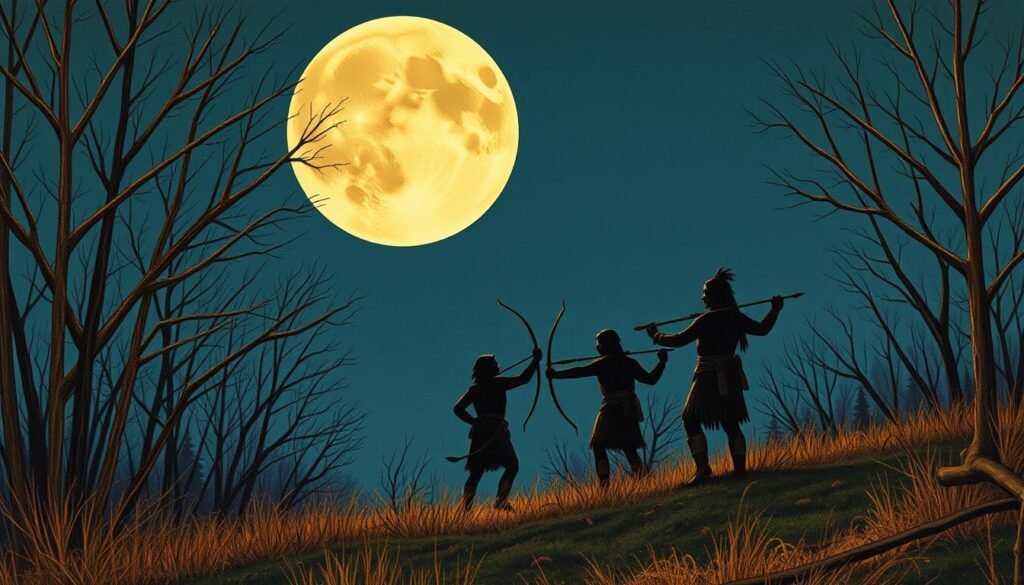
Historical depiction of hunting by the light of the full Hunter’s Moon
The Hunter’s Moon in Folklore
The Hunter’s Moon has held special significance across many cultures throughout history. Native American tribes used this bright moon to extend hunting hours into the evening, preparing for the coming winter. In European traditions, this moon signaled the time for hunting game that had fattened over the summer, providing essential food stores before winter.
The Hunter’s Moon is also known for appearing larger and more orange when rising, an optical illusion caused by viewing it through more of Earth’s atmosphere when it’s near the horizon. This distinctive appearance has inspired countless cultural references, artistic works, and harvest celebrations throughout history.

Ancient astronomical records of meteor showers from various civilizations
Meteors in Human History
Meteors and especially fireballs have inspired awe, fear, and wonder throughout human history. Ancient civilizations often interpreted these streaks of light as messages from gods, omens of significant events, or tears of celestial beings. The Greeks believed meteors were stars falling from the heavens, while some Native American tribes saw them as the souls of the departed.
Scientific understanding of meteors only emerged in the early 19th century, when researchers connected them to extraterrestrial material entering Earth’s atmosphere. The Taurid meteor stream itself has a fascinating history, as some researchers have linked it to ancient catastrophes and climate events, suggesting larger Taurid meteoroids may have impacted Earth thousands of years ago with significant consequences.
Safety Precautions for Night Sky Viewing

Proper preparation ensures a safe and comfortable stargazing experience
Important Safety Reminder: Never use optical equipment to look directly at the sun during daytime observations. While nighttime viewing of the moon and meteors is safe for your eyes, always practice general outdoor safety when stargazing in remote locations.
Essential Safety Tips
When heading out to view celestial events, especially in darker, remote locations, keep these safety considerations in mind:
- Location awareness: Choose safe viewing locations and inform someone of your plans
- Navigation: Bring maps, GPS, and know your route back, especially in unfamiliar areas
- Illumination: Carry multiple light sources (red light for astronomy, white light for emergencies)
- Communication: Ensure your phone is charged or bring a portable charger
- Weather protection: Check forecasts and dress for conditions that may be colder than expected
- Wildlife awareness: Be mindful of local wildlife in rural viewing locations
- Hydration and nutrition: Bring water and snacks for extended viewing sessions
- First aid: A basic first aid kit is recommended for remote locations
- Group viewing: When possible, stargaze with companions rather than alone
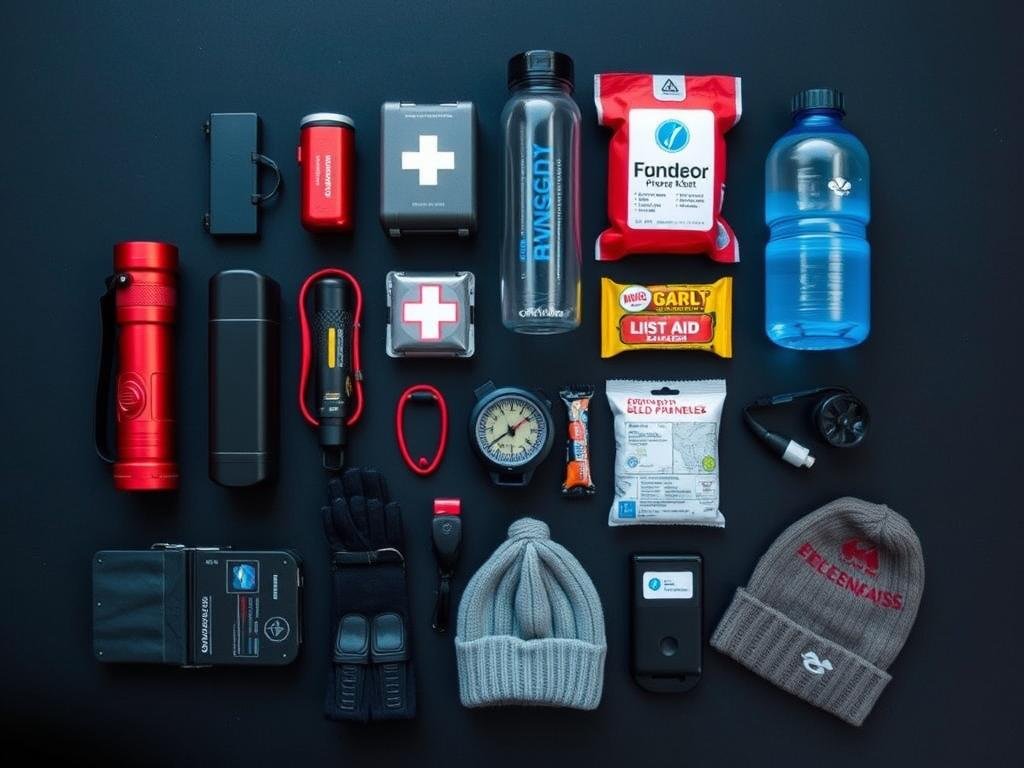
Essential safety items for a successful night of stargazing
Resources for Tracking Celestial Events

Mobile apps provide real-time information about celestial events and viewing conditions
Recommended Apps and Websites
Stay informed about these and future celestial events with these helpful resources:
Mobile Apps
- Stellarium: Detailed sky map with event notifications
- SkySafari: Comprehensive astronomy tool with alerts
- Star Walk 2: User-friendly AR sky guide
- NASA App: Official space news and event information
- Clear Outside: Astronomy-focused weather forecasts
Websites
- EarthSky.org: Daily updates on sky events
- Space.com: Space news and viewing guides
- TimeandDate.com: Customized moon and meteor data
- Astronomy.com: Expert articles and viewing tips
- DarkSiteFinder.com: Maps of low light pollution areas
Social Media
- Meteor Watch Facebook Groups: Community reports
- Local Astronomy Clubs: Group viewing events
- NASA Social Media: Official updates and images
- Instagram #Astrophotography: Inspiration and techniques
- Twitter #MeteorWatch: Real-time sighting reports

Light pollution maps help identify optimal viewing locations away from city lights
Share Your Celestial Viewing Experience
Join Our Community of Stargazers
Did you witness the Taurid fireballs or capture a stunning photo of the Hunter’s Moon? Share your experience with fellow astronomy enthusiasts! Submit your observations, photos, or stories to be featured in our community gallery. Your contributions help document these celestial events and inspire others to look up at the night sky.
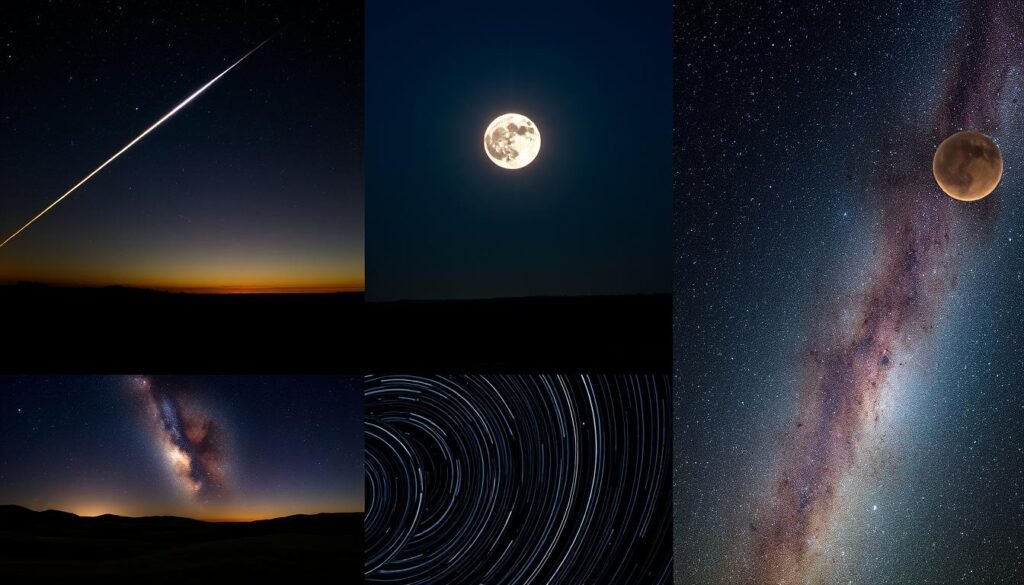
Community-submitted photos from previous celestial events
Why Share Your Experience?
- Contribute to citizen science initiatives tracking meteor activity
- Help others learn from your viewing techniques and locations
- Create a collective record of these transient celestial events
- Connect with a global community of astronomy enthusiasts
- Get feedback on your astrophotography from experts
What You Can Share
- Photos of meteors, fireballs, or the full moon
- Observation details (time, location, conditions)
- Equipment and settings used for photography
- Personal experiences and impressions
- Questions for our astronomy experts
Conclusion: Don’t Miss These Celestial Spectacles
This week offers a rare opportunity to witness two magnificent celestial events: the fiery streaks of Taurid meteors and the luminous glow of the Hunter’s Moon. While the full moon’s brightness may make spotting fainter meteors challenging, the Taurids’ reputation for producing spectacular fireballs means patient observers still have excellent chances for memorable sightings.
Whether you’re an experienced astronomer or a casual stargazer, these events connect us to the rhythms of our solar system and the broader cosmos. They remind us to look up, wonder, and appreciate the dynamic celestial show that unfolds above us every night. So bundle up, find a good viewing spot, and prepare to be amazed by these celestial events this week.

Take time to connect with the wonders of the night sky this week
Never Miss Another Celestial Event
Want to stay informed about upcoming astronomical events? Sign up for our monthly night sky newsletter to receive timely alerts, viewing guides, and expert tips delivered straight to your inbox.