Celestial Events This Week: Witness Fireballs and a Full Moon Light Up the Night Sky
This week offers a rare double treat for sky watchers as two spectacular celestial events coincide. The Southern Taurid meteor shower will peak with the potential for dramatic fireballs, while November’s full beaver supermoon illuminates the night. Whether you’re an experienced stargazer or a casual observer, these phenomena promise a memorable astronomical experience. Read on to discover when and how to witness these celestial events this week, with expert tips to make the most of your viewing experience.
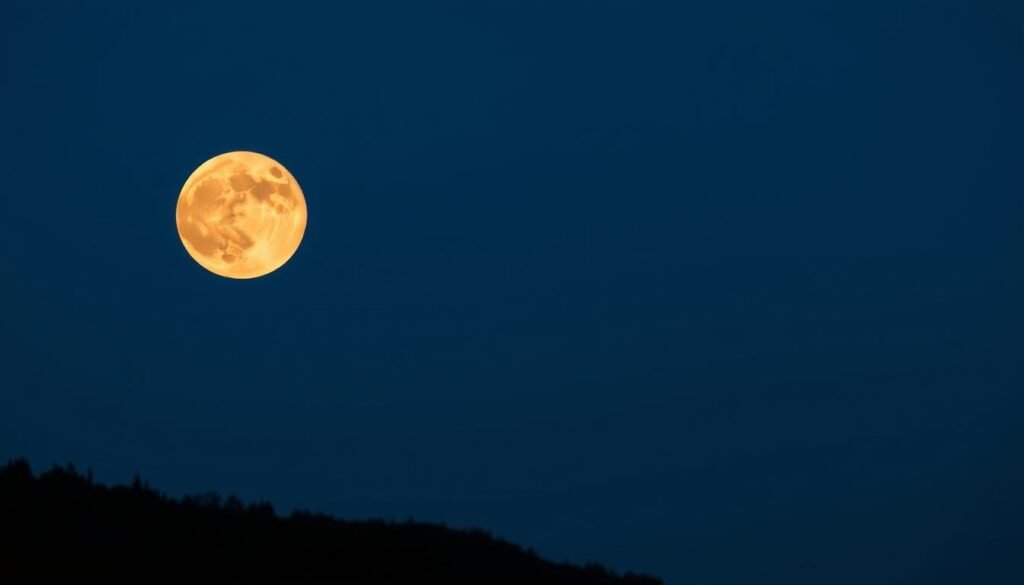
November’s full beaver supermoon will be visible this week alongside the Southern Taurid meteor shower
Two Celestial Spectacles: Timing and Details
Sky watchers are in for a double astronomical treat this week with two significant celestial events occurring simultaneously. Understanding the timing and characteristics of each will help you plan the perfect viewing experience.
Full Beaver Supermoon: A Lunar Spectacle
November’s full beaver supermoon will reach its peak illumination at 8:19 a.m. ET on Wednesday. However, since the moon will be below the horizon at this precise moment, the best viewing opportunity will be during the evening hours on Tuesday and Wednesday.
This particular full moon carries the traditional name “beaver moon,” marking the time when beavers begin preparing for winter by fortifying their dams and lodges. Different cultures have assigned various names to this lunar event – the Tlingit people call it the “digging moon,” the Dakota refer to it as the “deer rutting moon,” and the Cree know it as the “frost moon.”

Beavers typically prepare for winter during this full moon period, inspiring its traditional name
What makes this full moon special is that it’s the second of three consecutive supermoons this year. A supermoon occurs when the moon reaches perigee – its closest point to Earth in its orbit – making it appear slightly larger and brighter than usual.
Can’t View the Moon in Person?
If clouds or other obstacles block your view, you can still experience this celestial event. The Virtual Telescope Project will broadcast a live stream of the full moon over Manciano, Italy, beginning at 2 p.m. ET Wednesday.
Southern Taurid Meteor Shower: Potential for Fireballs
The Southern Taurid meteor shower will peak at 8 a.m. ET on Wednesday. Unlike more prolific meteor showers, the Southern Taurids typically produce only about five meteors per hour. However, what they lack in quantity, they make up for in quality – many of these meteors can be spectacular fireballs.
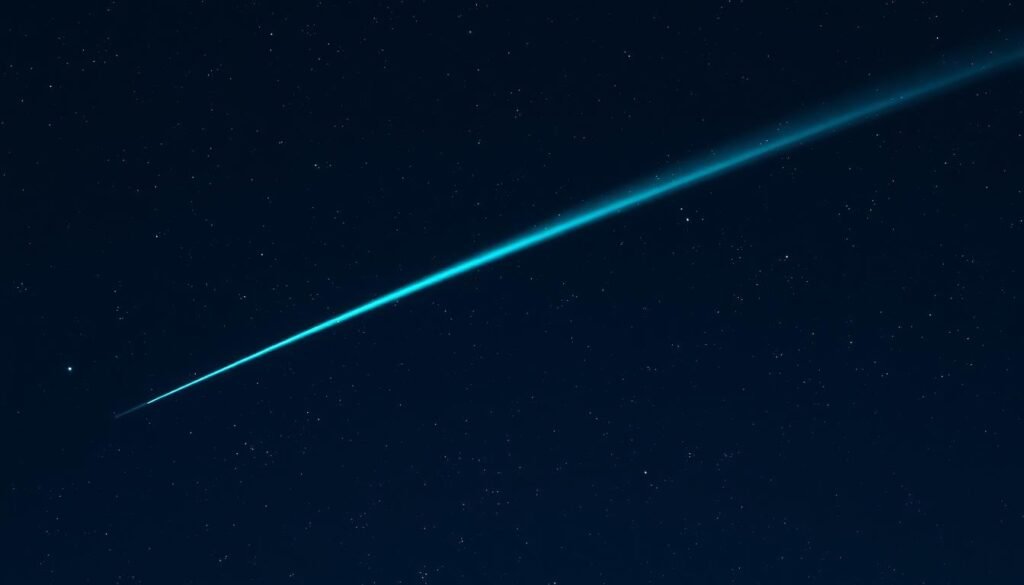
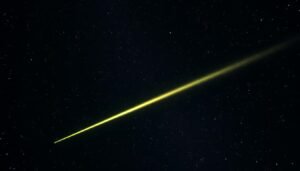
The Southern Taurid meteor shower is known for producing bright fireballs visible even through moonlight
These meteors result from Earth passing through debris left by Comet 2P/Encke, which has the shortest known orbital period of any comet at just 3.3 years. This year’s encounter is particularly special because astronomers predict we’ll pass through some fresh material that’s slightly larger than average Taurid meteors, increasing the likelihood of witnessing dramatic fireballs.
While the bright moonlight may wash out some of the fainter meteors, the more spectacular fireballs should still be visible. These meteors appear to originate from the constellation Taurus but can appear anywhere in the sky.
Expert Viewing Tips for This Week’s Celestial Events
Best Times and Locations
For optimal viewing of both celestial events this week, timing and location are crucial:
- For the full moon: Look east as darkness falls on Tuesday and Wednesday evenings
- For the meteor shower: Any time after sunset until the moon reaches its highest point
- Find a location away from city lights and tall buildings
- Choose a spot with a clear view of the sky, particularly toward the east
- Northern Hemisphere locations offer slightly better views of the Taurid meteors
While the meteor shower slightly favors the Northern Hemisphere, it’s visible worldwide. Southern Hemisphere viewers may see fewer meteors as the radiant (apparent point of origin) sits lower in the sky, with more meteors hidden below the horizon.
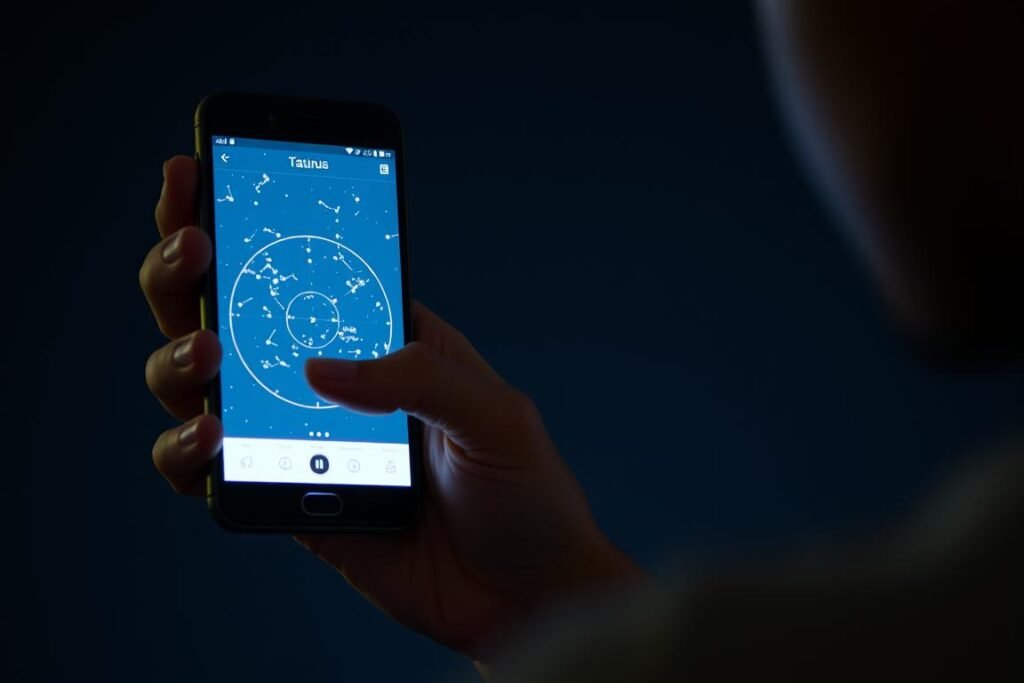
Using astronomy apps can help locate the radiant point of the meteor shower in Taurus
Weather Considerations
Clear skies are essential for viewing both the full moon and meteor shower. Check your local weather forecast before heading out, and consider traveling to a nearby location if your immediate area expects cloud cover.
Equipment and Preparation
One of the best aspects of these celestial events is that they require minimal equipment to enjoy:
- No telescope or binoculars needed (though they can enhance the moon viewing experience)
- Bring a comfortable chair or blanket for extended viewing
- Pack warm clothing – temperatures drop significantly at night
- Red flashlight to preserve night vision
- Snacks and hot beverages for comfort during longer viewing sessions
Enhance Your Viewing Experience
Download these top-rated astronomy apps to help identify celestial objects and track meteor showers in real-time:
Prepare for cooler temperatures with warm clothing and hot beverages for comfortable viewing
Capturing the Celestial Events This Week: Photography Guide
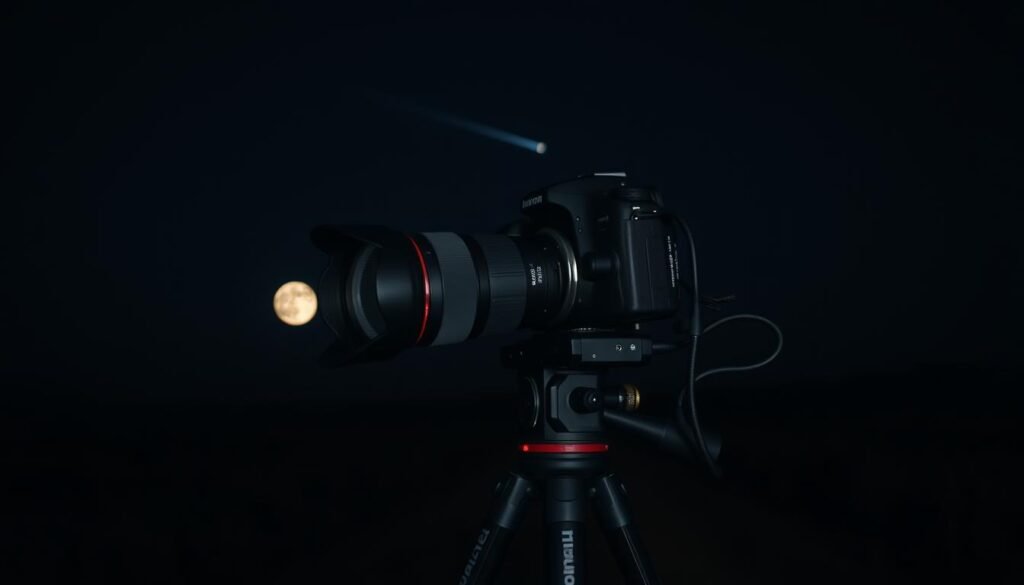
A proper camera setup is essential for capturing both the full moon and meteor trails
Full Moon Photography Tips
Photographing the supermoon requires different techniques than typical night sky photography:
- Use a DSLR or mirrorless camera with manual settings
- Mount your camera on a sturdy tripod to eliminate shake
- Start with ISO 100-400, f/8 aperture, and 1/125 to 1/250 second shutter speed
- Use a telephoto lens (200mm or longer) to capture moon details
- Include foreground elements for scale and interest
- Use a remote shutter release or 2-second timer to prevent camera shake
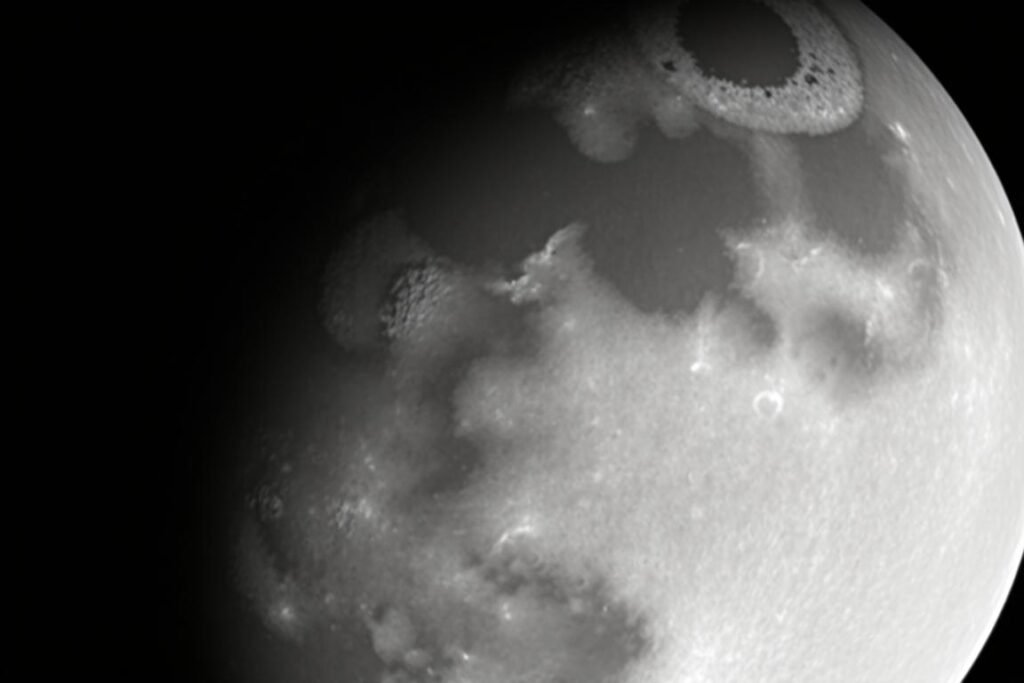
A telephoto lens reveals the moon’s surface details that aren’t visible to the naked eye
Meteor Shower Photography Tips
Capturing meteors requires patience and different camera settings:
- Use a wide-angle lens (14-24mm) to capture more sky
- Set camera to manual mode with aperture at f/2.8 or wider
- Use ISO 1600-3200 depending on light pollution
- Set shutter speed to 15-30 seconds for each exposure
- Take continuous shots to increase chances of capturing meteors
- Focus manually on a bright star or distant light
- Consider using an intervalometer for automated shooting
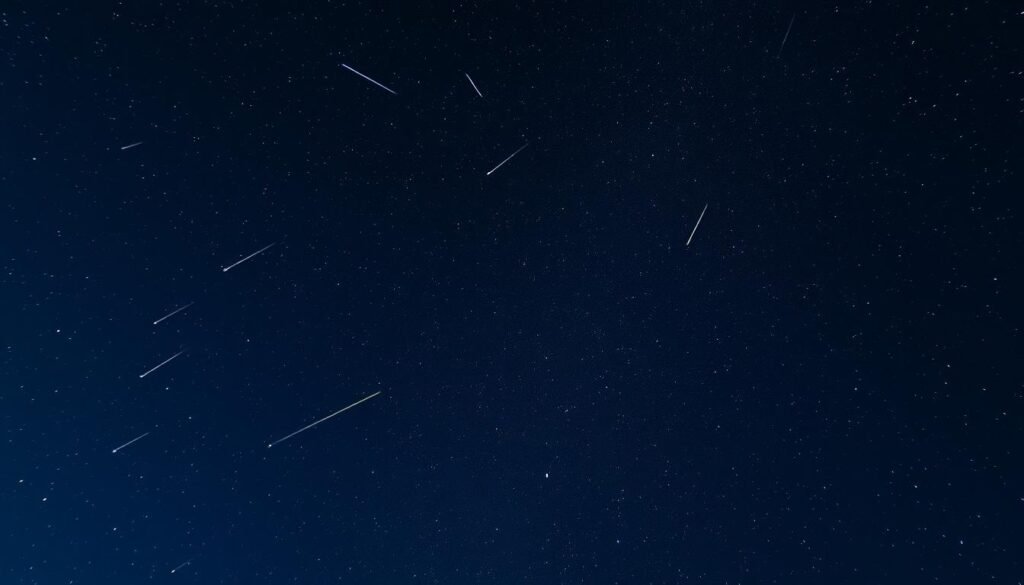
Long exposure photography can capture multiple meteor trails in a single image
Share Your Celestial Photography
Captured an amazing shot of the supermoon or a Taurid fireball? Join astronomy photography communities to share your work and learn from others.
Understanding the Astronomical Significance
The Science Behind Supermoons
While the term “supermoon” has become popular in recent years, astronomers prefer the technical term “perigee syzygy” – when the moon is both full and at its closest approach to Earth:
- The moon’s orbit is elliptical, not perfectly circular
- At perigee, the moon is approximately 225,000 miles from Earth
- A supermoon appears up to 14% larger and 30% brighter than a micromoon (full moon at apogee)
- To the naked eye, the size difference is subtle but noticeable
- This November supermoon is the second of three consecutive supermoons in 2025
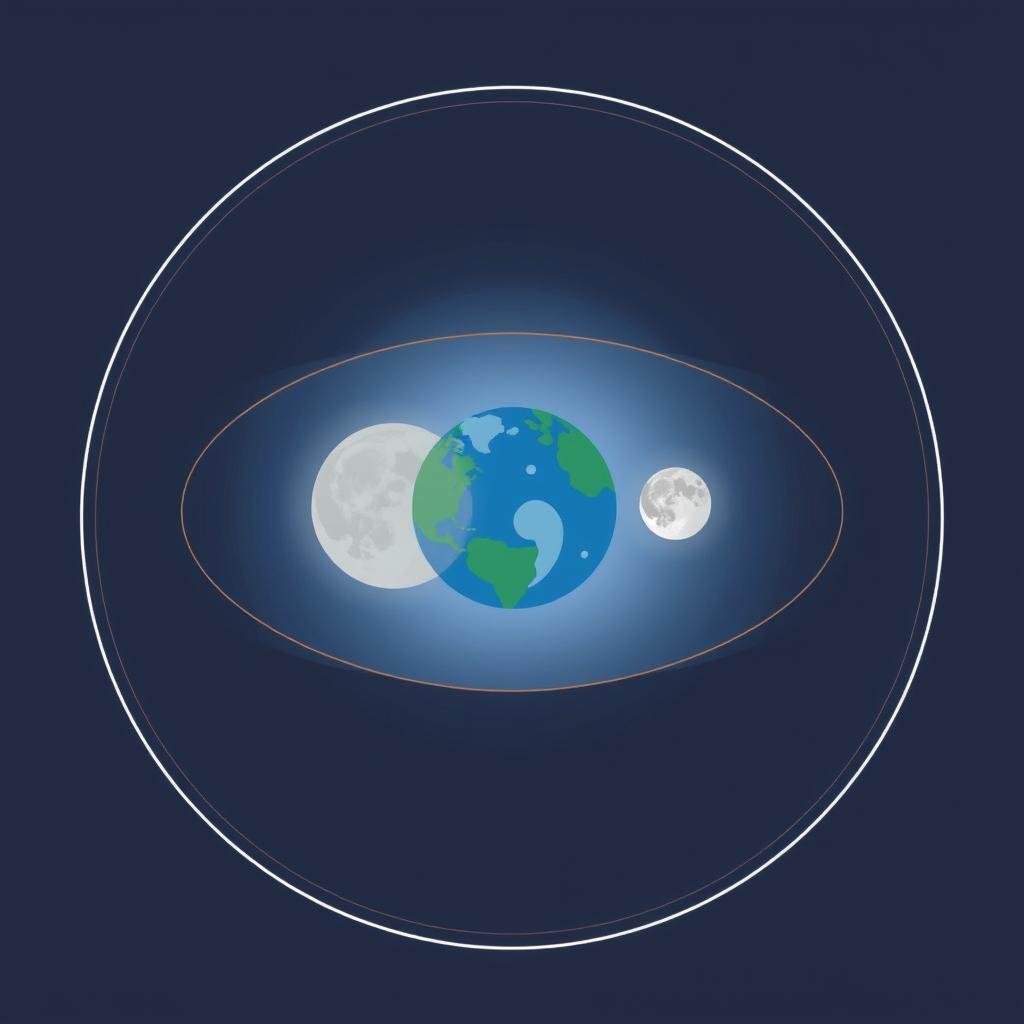
The moon’s elliptical orbit brings it closer to Earth during perigee, creating the supermoon effect
The Origin of Taurid Meteors
The Taurid meteor showers (both Southern and Northern) have a fascinating origin:
- Created by debris from Comet 2P/Encke, which has an unusually short 3.3-year orbit
- The comet is potentially a fragment of a much larger comet that broke apart 20,000-30,000 years ago
- Taurid meteors are slower than average (about 17 miles per second)
- Their slower speed and larger size contribute to their fireball potential
- This year’s shower includes fresh material that may produce more spectacular fireballs
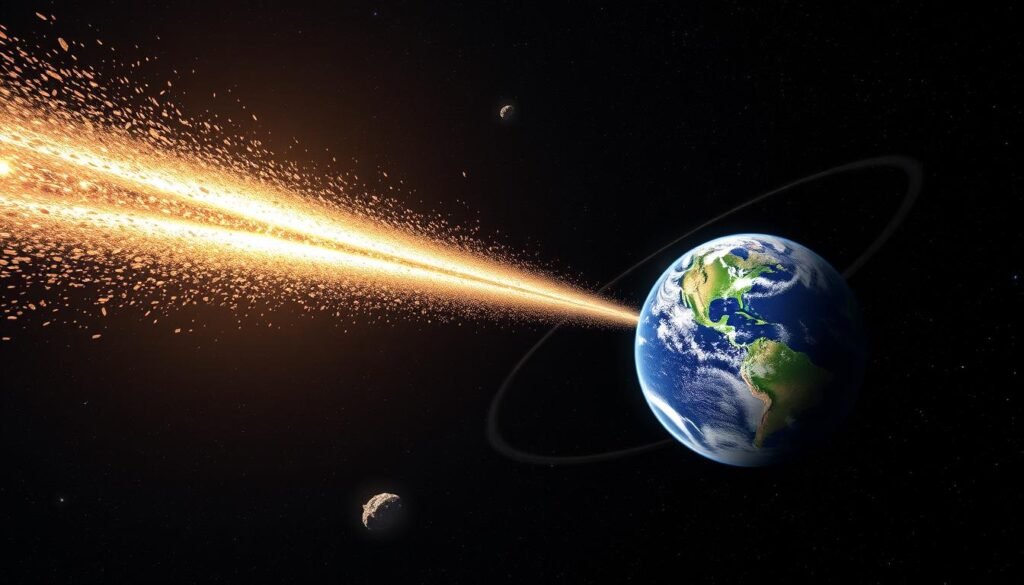
Comet 2P/Encke leaves behind debris that creates the Taurid meteor showers when Earth passes through it
Did You Know?
The Taurid meteor stream is so large that Earth takes several weeks to pass through it, which is why the Southern and Northern Taurid showers occur in succession. The Southern Taurids peak this week, while the Northern Taurids will peak around November 11-12.
Safety Tips and Additional Resources
Night Sky Viewing Safety
Enjoying celestial events requires some basic safety precautions:
- Inform someone of your viewing location if heading to a remote area
- Bring a fully charged phone for emergencies
- Use red light flashlights to preserve night vision
- Be aware of your surroundings, especially in unfamiliar locations
- Dress appropriately for nighttime temperatures
- Bring water and snacks for longer viewing sessions
- Never look directly at the sun when using optical equipment (not applicable for these nighttime events)
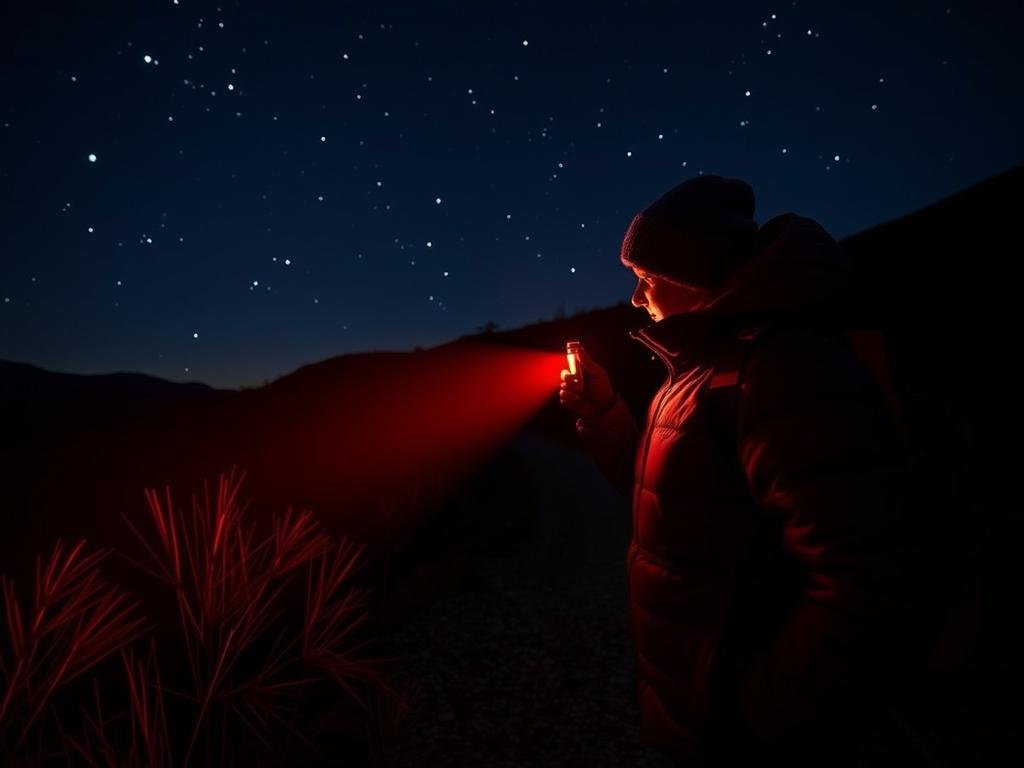
Red flashlights help preserve your night vision while allowing you to navigate safely
Upcoming Celestial Events
If you miss this week’s events or want to plan for future sky watching, mark your calendar for these upcoming celestial highlights:
- Northern Taurid meteor shower: November 11-12
- Leonid meteor shower: November 16-17
- Final supermoon of 2025 (Cold Moon): December 4
- Geminid meteor shower: December 13-14 (one of the year’s best)
- Ursid meteor shower: December 21-22
Never Miss a Celestial Event
Stay informed about upcoming astronomical phenomena with these reliable resources:
Experience the Wonder of This Week’s Celestial Events
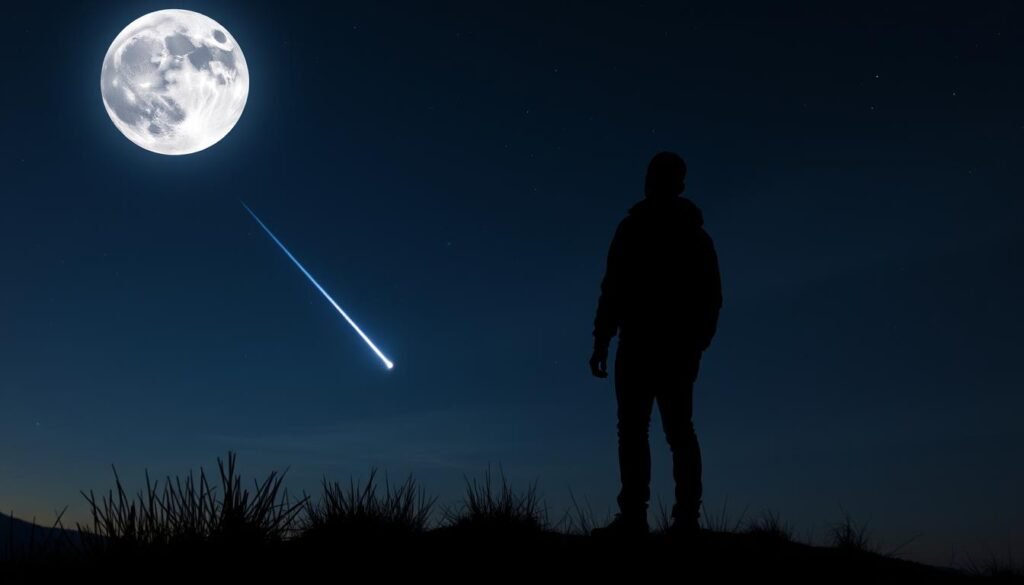
Take time this week to connect with the cosmos and witness these spectacular celestial events
This week’s double celestial event offers a rare opportunity to witness the beauty and wonder of our universe. Whether you’re watching the full beaver supermoon illuminate the landscape or catching a glimpse of a spectacular Taurid fireball streaking across the sky, these moments connect us to the cosmos in a profound way.
Remember that patience is key when observing meteor showers. The Southern Taurids may not produce many meteors per hour, but the potential to see bright fireballs makes the wait worthwhile. Meanwhile, the supermoon provides a guaranteed spectacular sight that’s visible even from urban areas.
We encourage you to step outside this week, look up, and take in these celestial wonders. Share the experience with friends and family, try your hand at astrophotography, or simply enjoy the quiet contemplation of our place in the universe. The sky is waiting – all you need to do is look up.
Share Your Experience
Did you witness a spectacular fireball or capture an amazing photo of the supermoon? We’d love to hear about your experience with these celestial events this week.