Infant Botulism Outbreak November 2025: Critical Information for Parents

Health officials have identified a concerning outbreak of infant botulism linked to powdered formula. As of November 2025, the CDC and FDA are investigating multiple cases across the United States. This article provides essential information about the outbreak, affected products, symptoms to watch for, and critical steps to protect your baby’s health.
Healthcare providers across the country are responding to the infant botulism outbreak
Understanding the Infant Botulism Outbreak November 2025
The Centers for Disease Control and Prevention (CDC) and the U.S. Food and Drug Administration (FDA) are currently investigating a multistate outbreak of infant botulism. As of November 8, 2025, health officials have reported 13 cases across 10 states, including Arizona, California, Illinois, Minnesota, New Jersey, Oregon, Pennsylvania, Rhode Island, Texas, and Washington.
All affected infants had consumed ByHeart Whole Nutrition infant formula prior to becoming ill. While no deaths have been reported, several babies required hospitalization. The Rhode Island Department of Health confirmed one case where a baby showed symptoms on October 24, was hospitalized, and later released after treatment.
Urgent Recall Information
ByHeart has issued a voluntary recall of two specific lots of their Whole Nutrition Infant Formula:
- Lot: 206VABP/251261P2 (“Use by 01 Dec 2026”)
- Lot: 206VABP/251131P2 (“Use by 01 Dec 2026”)
If you have these products, discontinue use immediately and dispose of them. The lot code and “use by” date are located on the bottom of the infant formula can.
Check Your Formula Now
If you use ByHeart formula, immediately check the lot numbers on your cans. For the latest recall information and to request replacement formula:
What Is Infant Botulism?
Infant botulism is a rare but serious illness caused when babies ingest Clostridium botulinum spores. Unlike adults, infants under 12 months have immature digestive systems that allow these spores to germinate in the intestines and produce a toxin that causes paralysis.
The toxin blocks nerve function and can lead to progressive muscle weakness, starting from the head and moving downward through the body. If untreated, it can affect the respiratory muscles and become life-threatening.
While rare, infant botulism requires immediate medical attention. With proper treatment, most babies make a full recovery, though it may take weeks or months.

Clostridium botulinum bacteria under microscope
How Infants Get Botulism
Infants can develop botulism when they consume food containing Clostridium botulinum spores. These spores can be found in:
- Contaminated infant formula
- Honey (never feed honey to infants under 12 months)
- Corn syrup (in rare cases)
- Environmental sources like soil or dust
Recognizing Infant Botulism Symptoms

Reduced muscle tone is a key symptom of infant botulism
Early detection of infant botulism is crucial for prompt treatment. The CDC advises parents and caregivers to watch for these symptoms, which typically appear between 3 and 30 days after exposure:
Early Signs
- Constipation (often the first sign)
- Poor feeding or weaker sucking
- Reduced appetite
- Less frequent or absent tears when crying
Progressive Symptoms
- Drooping eyelids (ptosis)
- Expressionless face
- Weak cry
- Difficulty swallowing
Severe Symptoms
- “Floppy” appearance (decreased muscle tone)
- Inability to hold up head
- Breathing difficulties
- Paralysis that spreads downward
When to Seek Emergency Care
If your baby shows any signs of muscle weakness, breathing problems, or feeding difficulties, seek medical attention immediately. Early treatment is essential.
Current Status of the Investigation
The FDA and CDC, in collaboration with state health departments, are actively investigating this outbreak. Laboratory testing of formula samples is underway, with results expected in the coming weeks.
All 13 cases included in this outbreak reported consuming ByHeart-brand powdered infant formula. Officials in several states have collected leftover infant formula for testing to identify the source of contamination.
The California Department of Public Health’s Infant Botulism Treatment and Prevention Program reported an increase in type A botulism infections among infants consuming ByHeart formula between August and November 2025.

FDA officials testing formula samples for Clostridium botulinum contamination
| State | Number of Cases | Status |
| California | 2 | Under investigation |
| Illinois | 2 | Under investigation |
| Texas | 2 | Under investigation |
| Arizona | 1 | Under investigation |
| Minnesota | 1 | Under investigation |
| New Jersey | 1 | Under investigation |
| Oregon | 1 | Under investigation |
| Pennsylvania | 1 | Under investigation |
| Rhode Island | 1 | Confirmed |
| Washington | 1 | Under investigation |
Treatment and Recovery for Infant Botulism

Botulism Immune Globulin (BIG-IV) is the primary treatment for infant botulism
Treatment for infant botulism requires immediate medical intervention. The CDC recommends the following approaches:
Primary Treatment
The main treatment for infant botulism is Botulism Immune Globulin Intravenous (BIG-IV), also known as BabyBIG®. This FDA-approved treatment contains antibodies that neutralize the botulinum toxin in the baby’s body.
When administered early, BIG-IV can significantly reduce the severity and duration of illness. It works by binding to toxins that haven’t yet attached to nerve endings, preventing further paralysis.
“Early administration of BIG-IV can reduce hospital stays from an average of 5.7 weeks to just 2.6 weeks and decrease mechanical ventilation needs by 67%.”
Supportive Care
- Respiratory support, including mechanical ventilation if needed
- Careful monitoring of breathing and heart function
- Nutritional support through feeding tubes if swallowing is affected
- Management of constipation
- Prevention of secondary infections
- Physical therapy to maintain muscle tone during recovery
Recovery time varies from weeks to months, depending on the severity of the illness and how quickly treatment began. Most infants make a full recovery with proper medical care.

Supportive care is essential during the recovery process
Preventing Infant Botulism

Safe Formula Preparation
- Wash hands thoroughly before preparing formula
- Use sterilized bottles and equipment
- Prepare formula with water boiled and cooled to 70°C/158°F
- Store prepared formula in the refrigerator and use within 24 hours
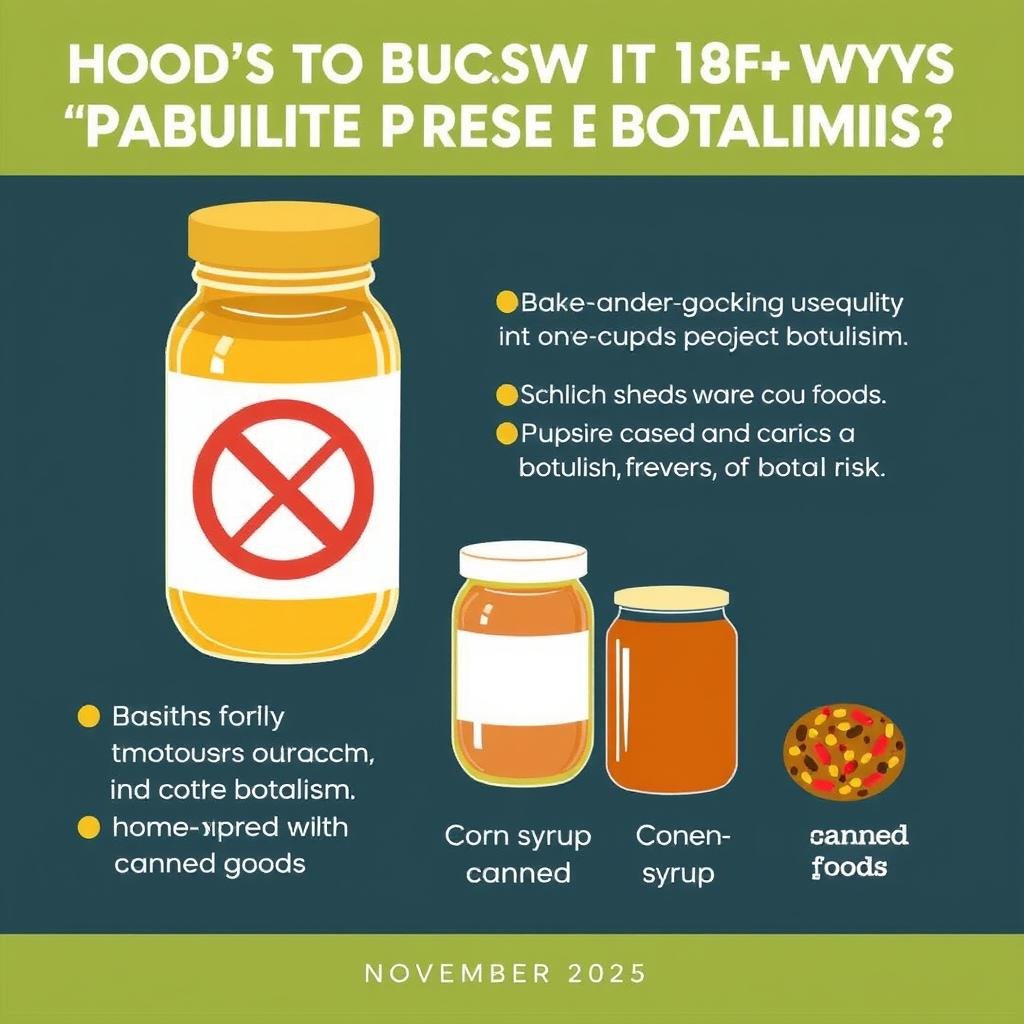
Foods to Avoid
- Never feed honey to infants under 12 months
- Avoid corn syrup for infants under 12 months
- Do not give home-canned foods to infants
- Check for and dispose of recalled formula products

Environmental Precautions
- Keep infants away from dusty environments
- Avoid construction areas with disturbed soil
- Regularly clean surfaces that collect dust
- Wash toys and pacifiers frequently
Get the Latest Prevention Guidelines
The CDC regularly updates its prevention recommendations as new information becomes available about the current outbreak.
Guidance for Healthcare Providers

Healthcare providers should maintain high suspicion for infant botulism during this outbreak
The CDC has issued specific guidance for healthcare providers regarding the infant botulism outbreak of November 2025:
When should healthcare providers suspect infant botulism?
Consider infant botulism in any infant under 12 months presenting with:
- Acute onset of hypotonia and weakness
- Poor feeding or sucking
- Diminished facial expression
- Constipation
- Progressive descending paralysis
During this outbreak, maintain a high index of suspicion for infants who have consumed ByHeart formula, especially the recalled lots.
What diagnostic testing is recommended?
The CDC recommends:
- Stool sample collection for botulinum toxin testing
- Serum testing for botulinum toxin (in some cases)
- Electromyography (EMG) may show characteristic pattern
- Report suspected cases immediately to state health departments
Do not wait for laboratory confirmation to begin treatment if clinical suspicion is high.
What is the recommended treatment protocol?
For suspected infant botulism cases:
- Administer BabyBIG® (Botulism Immune Globulin) as soon as possible
- Provide respiratory support as needed
- Monitor for autonomic dysfunction
- Avoid aminoglycoside antibiotics and magnesium-containing medications
- Implement nutritional support if feeding is compromised
To obtain BabyBIG®, contact the California Department of Public Health Infant Botulism Treatment and Prevention Program at 510-231-7600.
Healthcare Provider Resources
Access clinical guidelines, diagnostic criteria, and treatment protocols for the current outbreak.
Resources for Parents and Caregivers

Official Information
Support Services
Formula Alternatives
For immediate medical concerns, contact your healthcare provider or:
American Association of Poison Control Centers
Staying Informed About the Infant Botulism Outbreak

Stay updated with the latest information as the investigation continues
The infant botulism outbreak linked to ByHeart formula in November 2025 is an evolving situation. As health officials continue their investigation, new information may emerge about affected products, treatment recommendations, and prevention strategies.
Parents and caregivers should remain vigilant for symptoms, check formula lot numbers, and follow official guidance from the CDC and FDA. With prompt medical attention, most infants with botulism make a full recovery.
This article will be updated as new information becomes available. For the most current details, visit the CDC’s dedicated outbreak investigation page.
Stay Updated on the Outbreak
For the latest information about the infant botulism outbreak, including new cases, additional recalled products, and updated recommendations: