Spectacular Auroras Over North America: Nature’s Dazzling Light Show
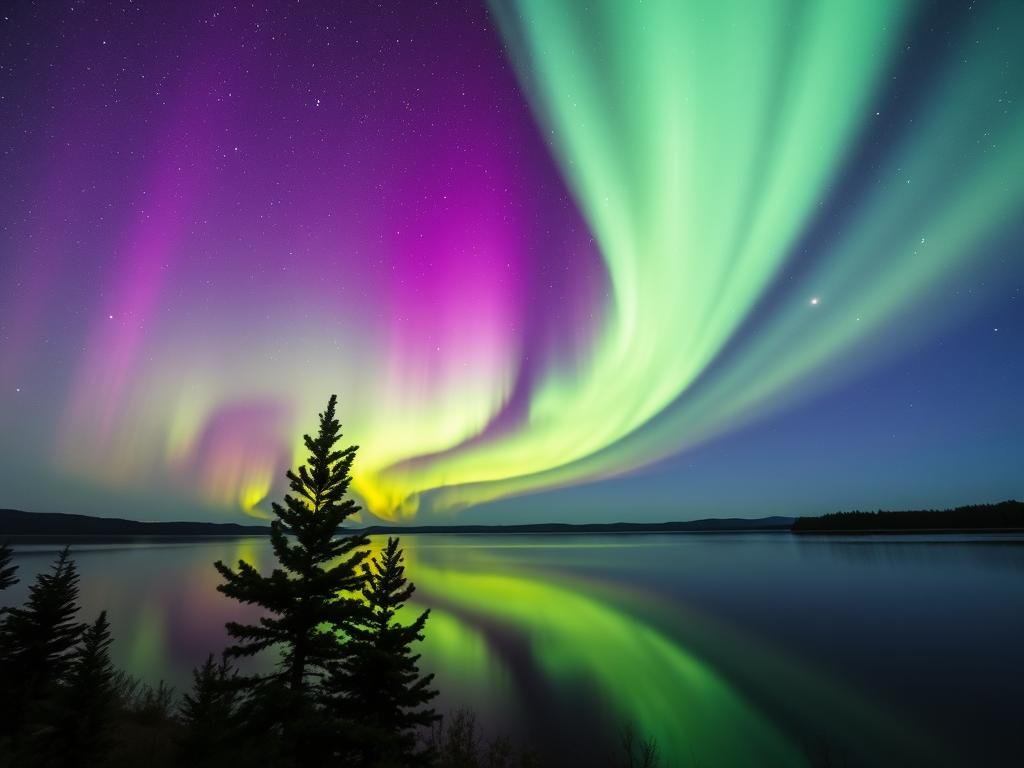
Brilliant colors danced across the night skies over North America on November 11-12, 2025, as a powerful geomagnetic storm triggered one of the most spectacular aurora displays in recent years. The celestial light show, visible from Canada down to Florida, painted the darkness with vibrant greens, pinks, and purples, captivating millions of viewers and flooding social media with breathtaking images. This rare and magnificent display of the northern lights has been rated as a G4 (severe) geomagnetic storm, one of the most intense in the current solar cycle.
What Causes These Celestial Light Shows?
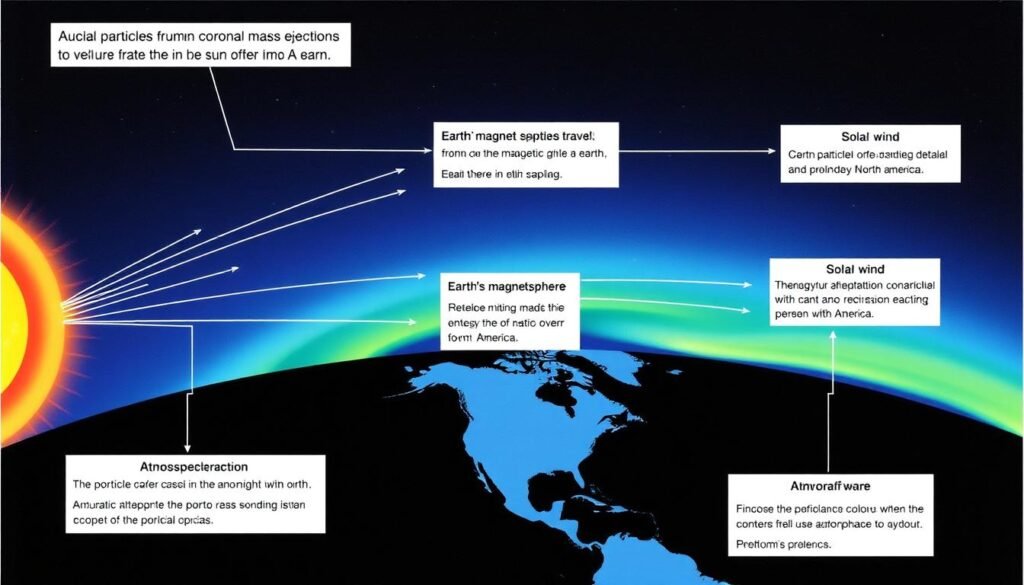
The spectacular light show that illuminated skies across North America originated from our sun’s dynamic surface. The Space Weather Prediction Center reported that multiple coronal mass ejections (CMEs) — powerful eruptions of solar material and magnetic fields — occurred on November 9-10, followed by a significant solar flare on November 11.
When these massive bursts of solar energy and particles reach Earth’s atmosphere, they interact with our planet’s magnetic field. This interaction triggers a geomagnetic storm, which can disrupt radio communications, affect power grids, and create the stunning visual phenomenon we know as auroras.
The colors visible in aurora displays depend on which atmospheric gases the solar particles encounter. Interactions with oxygen typically produce green and red hues, while nitrogen creates blue and purple tones. The brightness, extent, and duration of auroras directly correlate with the strength of the geomagnetic storm.
Understanding the G4 Severe Storm Rating
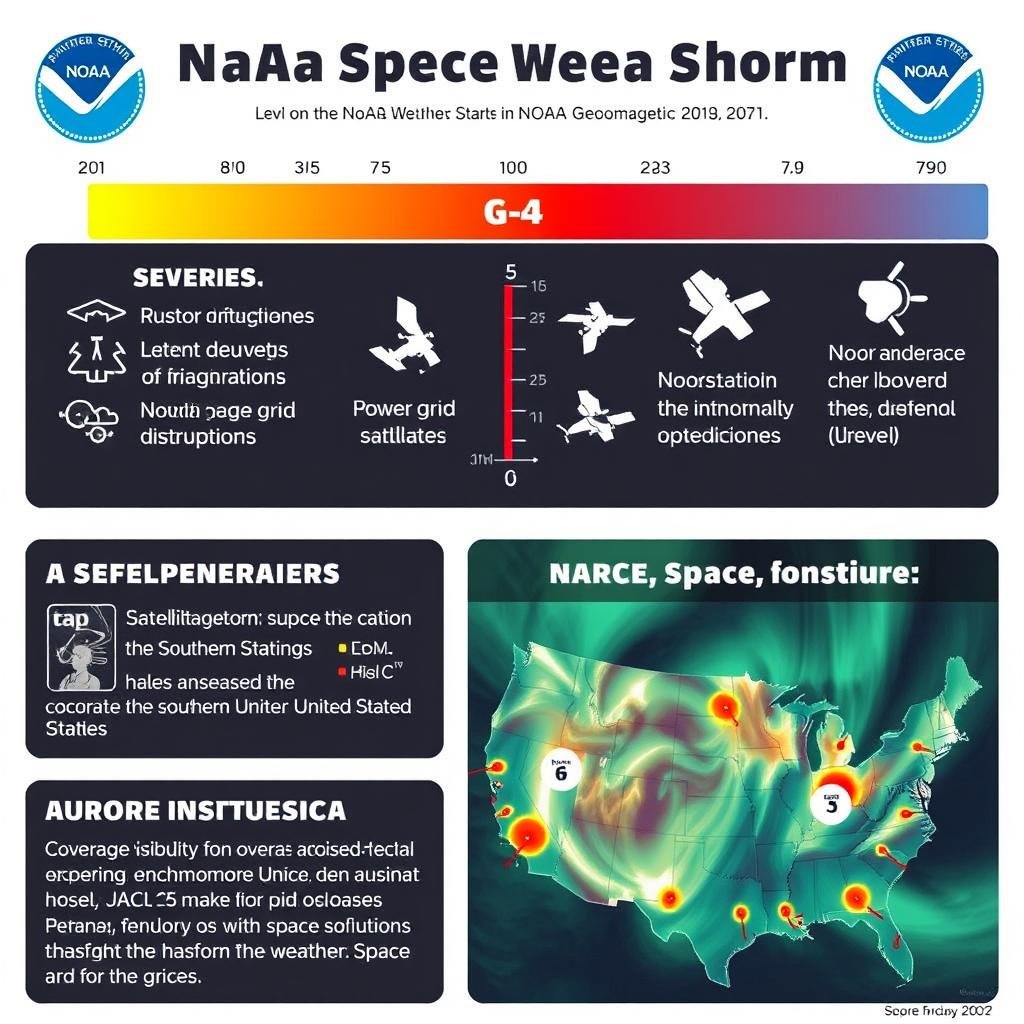
The recent geomagnetic storm reached G4 (severe) levels on the NOAA space weather scale, making it one of the most powerful in years. This rating indicates a storm of exceptional intensity with significant potential impacts.
G4 Storm Characteristics
- Widespread aurora visibility extending far south of typical regions
- Potential disruptions to power grid systems
- Possible degradation of satellite navigation (GPS) accuracy
- Radio blackouts in certain frequency ranges
- Increased radiation exposure for satellites and astronauts
Shawn Dahl, a space weather forecaster at the Space Weather Prediction Center, noted that the storm levels in the atmosphere reached G4 – severe – levels at 8:20 p.m. EST on November 11. “The first two [CMEs] were profoundly stronger than we anticipated,” Dahl explained, adding that the third ejection was expected to be the strongest and most energetic of the three.
Stay Informed About Future Aurora Events
Don’t miss the next spectacular aurora display! Subscribe to our Space Weather Alert newsletter and receive timely notifications about upcoming geomagnetic storms and viewing opportunities in your area.
Geographic Extent: Auroras Visible Across the Continent
The recent geomagnetic storm produced auroras visible across an unusually large portion of North America. Social media quickly filled with stunning photographs as the celestial light show extended far beyond its typical northern boundaries.
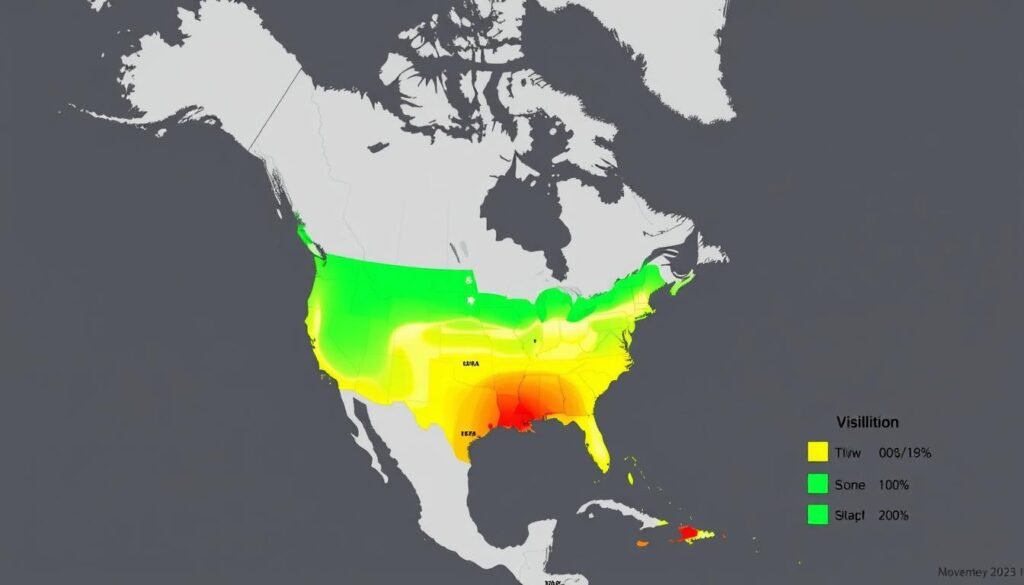
According to reports collected by USA Today, aurora sightings were confirmed in locations as far south as Florida, Texas, and Alabama – areas that rarely experience this phenomenon. The vibrant displays were particularly spectacular across the northern states, with breathtaking views reported from Alaska, Minnesota, Michigan, Maine, and Washington.
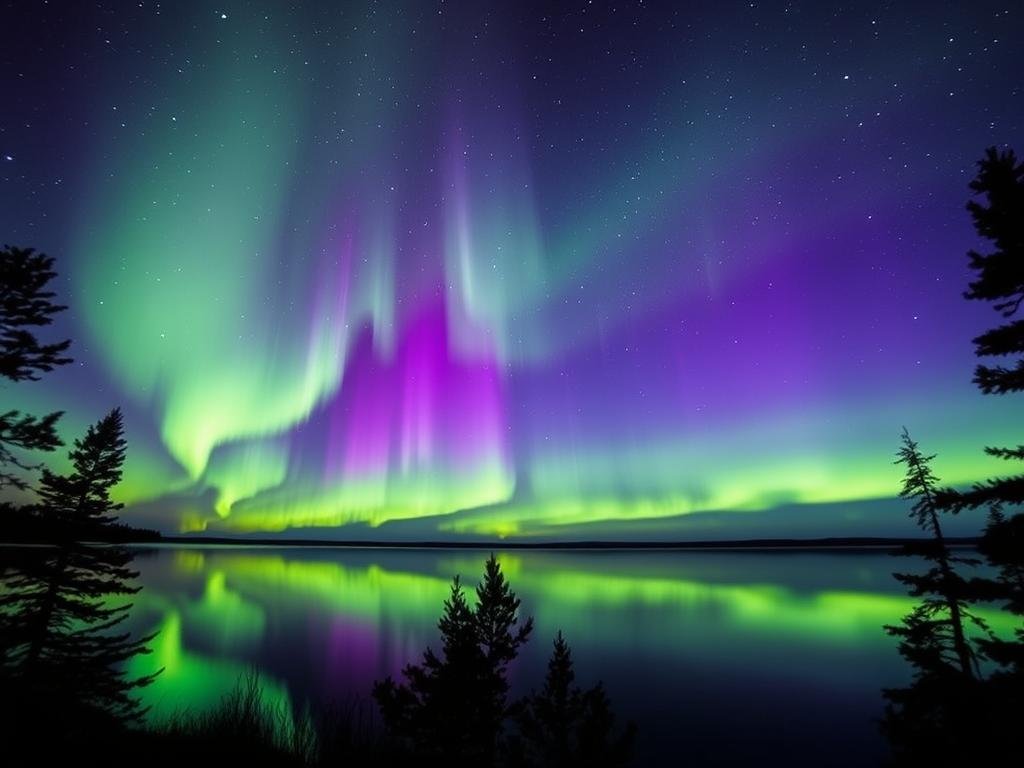
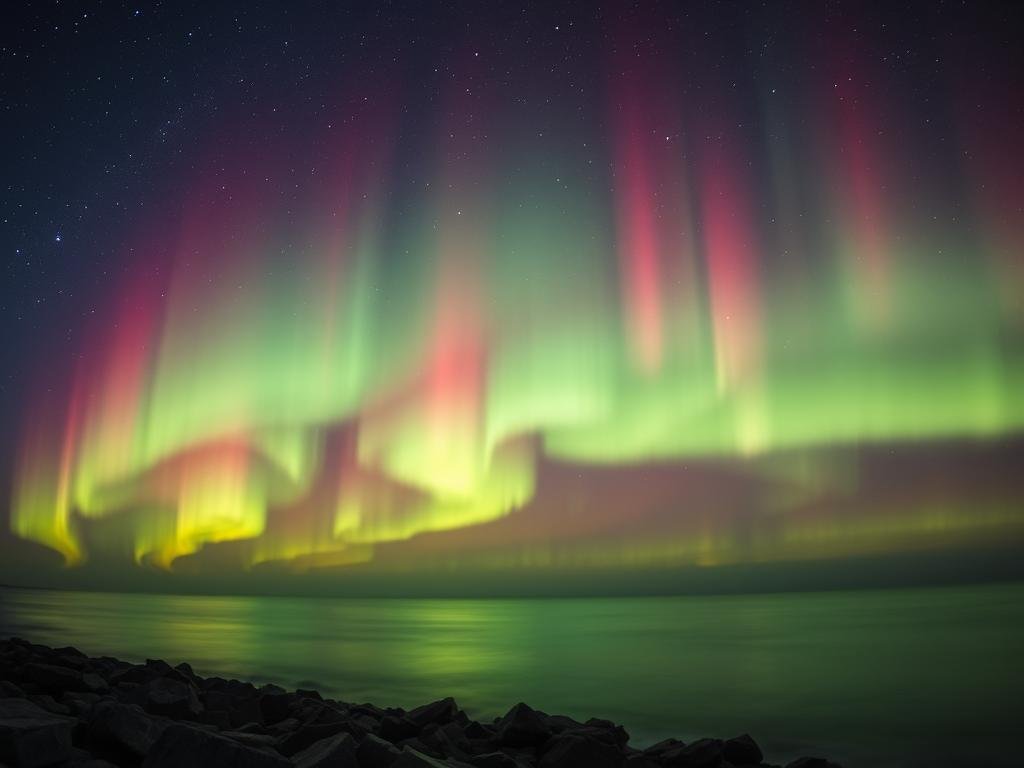
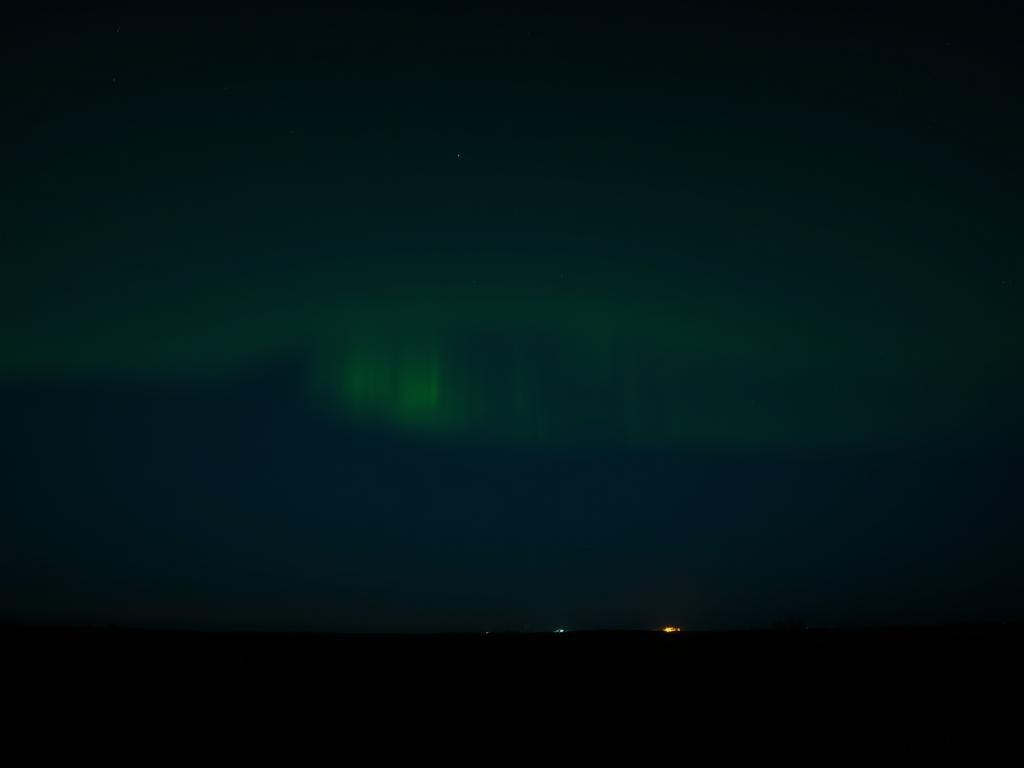
Photos of the lights were posted from numerous states including Alabama, Arkansas, Florida, Illinois, Massachusetts, Maryland, Oklahoma, South Carolina, Texas, and Minnesota. The widespread visibility made this one of the most accessible aurora events for North American viewers in recent memory.
The Rarity and Significance of This Event
What made this aurora display particularly special was its exceptional southern reach and intensity. While the northern regions of Canada and Alaska regularly experience auroras, seeing them as far south as Florida is extremely rare.
This event coincides with the sun reaching the maximum phase of its 11-year activity cycle, which typically brings increased solar activity. During solar maximum, the sun’s magnetic poles swap places, causing magnetic twists and tangles that lead to more frequent and powerful solar eruptions.
Space weather experts note that this was the strongest geomagnetic storm in nearly two decades, comparable to major events in 2003 and 2001. The current solar cycle (Solar Cycle 25) has been more active than initially predicted, suggesting we may see more spectacular aurora displays in the coming months.

How to See and Photograph Auroras

If you’re hoping to witness this magnificent phenomenon for yourself, here are some essential tips for viewing and capturing auroras:
Best Viewing Practices
- Find a location away from city lights with a clear view of the northern horizon
- Allow your eyes to adapt to darkness for at least 30 minutes
- Check aurora forecasts and space weather alerts before heading out
- Be patient – auroras can appear suddenly and change rapidly
- Dress warmly and bring hot beverages for comfort during extended viewing
- Use your phone camera to scan the horizon, as it may detect faint auroras before your eyes can
Photography Tips
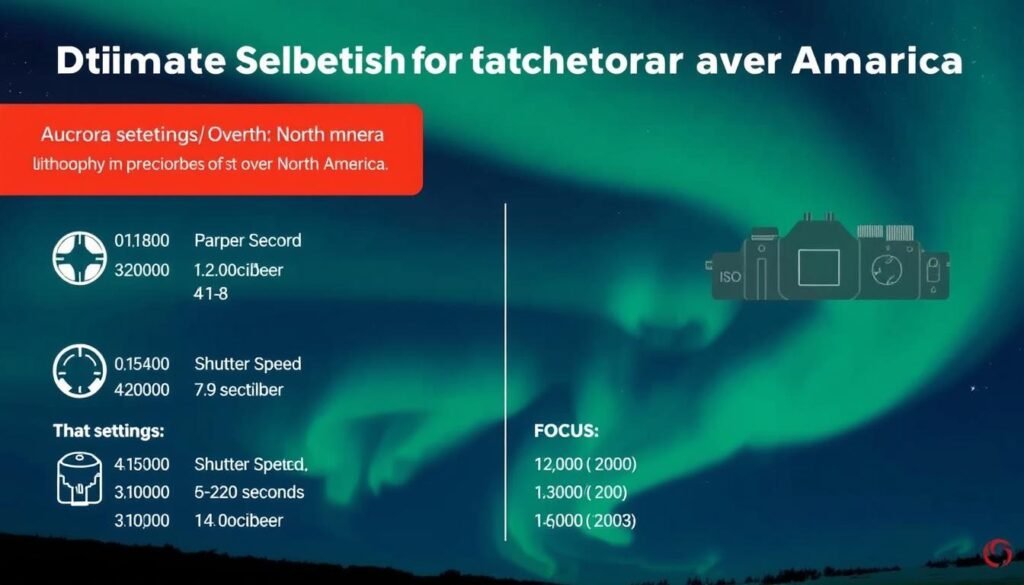
- Use a camera with manual settings and a wide-angle lens
- Mount your camera on a sturdy tripod to prevent blur
- Set a high ISO (800-3200) depending on aurora brightness
- Use a wide aperture (f/2.8 or lower if possible)
- Set exposure time between 5-20 seconds (shorter for bright, active auroras)
- Focus manually to infinity or use autofocus on a distant light before switching to manual
- Bring extra batteries – cold temperatures drain them quickly
Aurora Tracking Tools and Resources
Several apps and websites can help you track aurora activity and increase your chances of witnessing these spectacular displays:
Space Weather Prediction Center
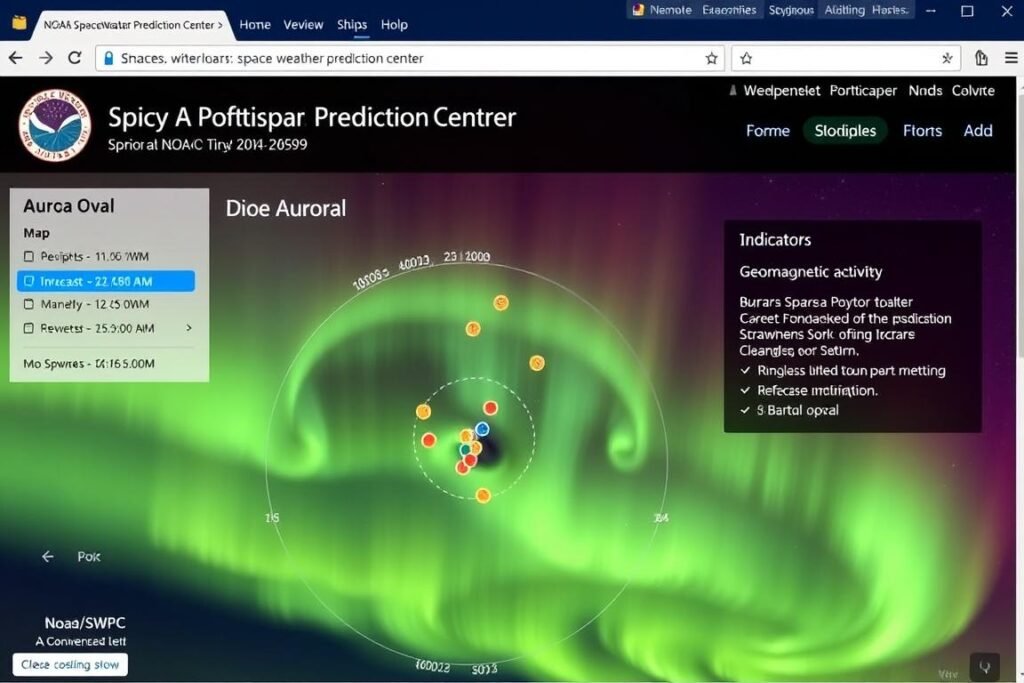
The official NOAA service provides 30-minute to 3-day aurora forecasts, geomagnetic storm alerts, and detailed space weather information.
My Aurora Forecast App
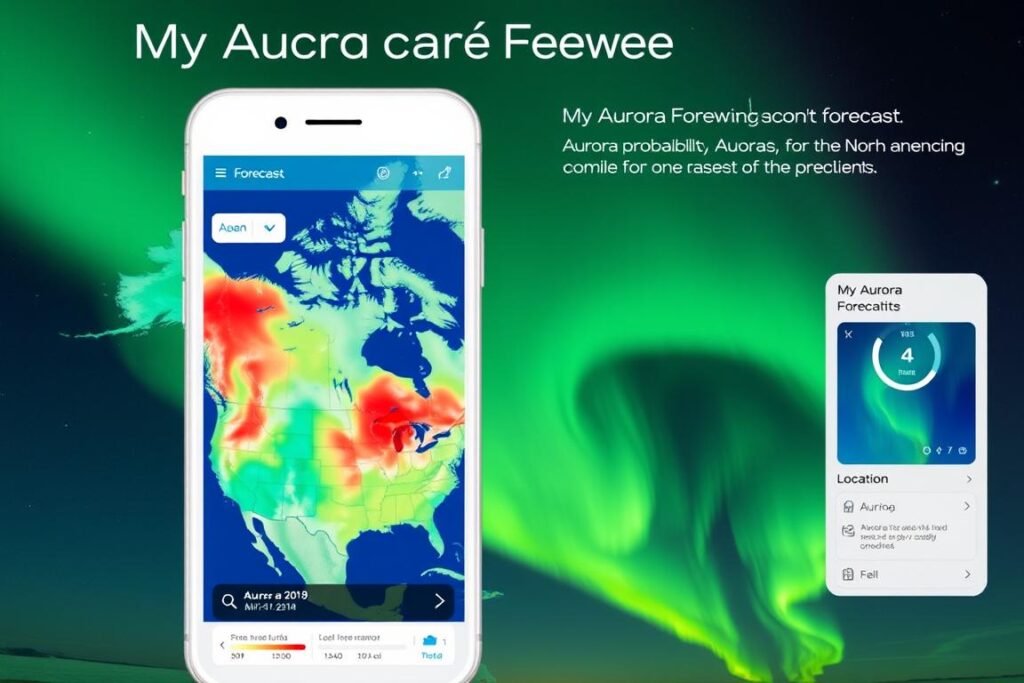
A user-friendly mobile app that provides real-time aurora forecasts based on your location, with customizable alerts for high activity periods.
Space Weather Live
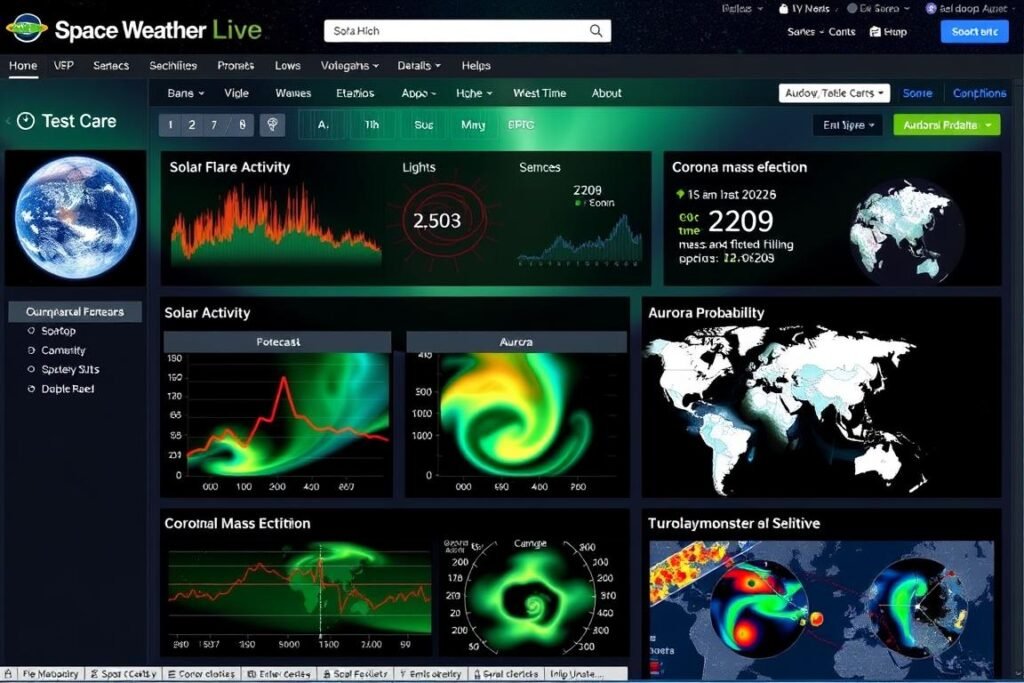
Provides in-depth space weather data, including solar flare activity, coronal mass ejection tracking, and detailed aurora forecasts.
Future Aurora Viewing Opportunities
With the sun currently at the peak of its 11-year activity cycle, space weather experts predict more spectacular aurora displays in the coming months. The current solar maximum phase is expected to continue through at least the end of 2025, potentially extending into early 2026.
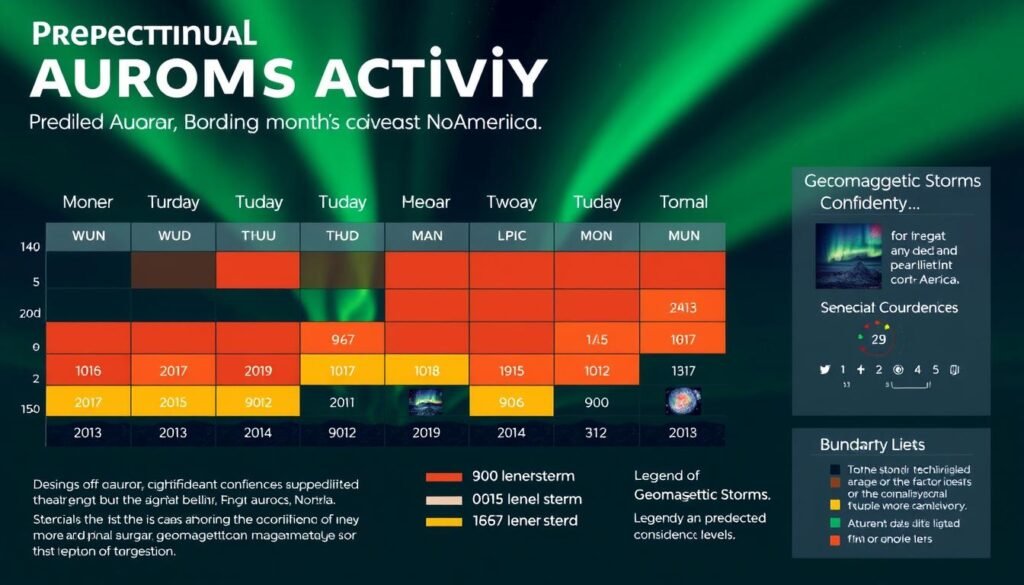
According to the Space Weather Prediction Center, several factors suggest we may experience more G3 (strong) and G4 (severe) geomagnetic storms in the near future. The current solar cycle has been more active than initially predicted, with frequent sunspot activity and energetic solar flares.
While it’s impossible to predict specific dates far in advance, the increased solar activity means aurora chasers should stay alert for space weather updates, particularly during the winter months when longer nights provide better viewing conditions across North America.
Why were the auroras visible so far south during this event?
The auroras were visible unusually far south because of the exceptional strength of the geomagnetic storm, which reached G4 (severe) levels. When particularly powerful coronal mass ejections hit Earth’s magnetic field, they compress it and allow the aurora to form at lower latitudes than usual. The multiple CMEs that arrived in quick succession on November 11-12 created ideal conditions for this rare southern expansion of aurora visibility.
Can auroras damage satellites or power grids?
Yes, the same geomagnetic storms that create auroras can potentially damage satellites and power grids. During severe (G4) storms like the recent event, power grid operators may experience voltage alarms and possible widespread voltage control problems. Satellite operators might observe surface charging on components and increased drag on low Earth orbit satellites. GPS systems can also experience degraded positioning accuracy. The Space Weather Prediction Center notifies critical infrastructure operators about these risks during major storm events.
How long do aurora displays typically last?
Aurora displays can last from a few minutes to several hours, depending on the strength and duration of the geomagnetic storm. During major events like the recent G4 storm, auroras may be visible for multiple nights as successive waves of solar particles interact with Earth’s magnetic field. The most active and vibrant displays often occur during the peak of the storm, which can last 2-3 hours, though more subdued auroras may continue before and after this peak period.
Embracing Nature’s Most Spectacular Light Show
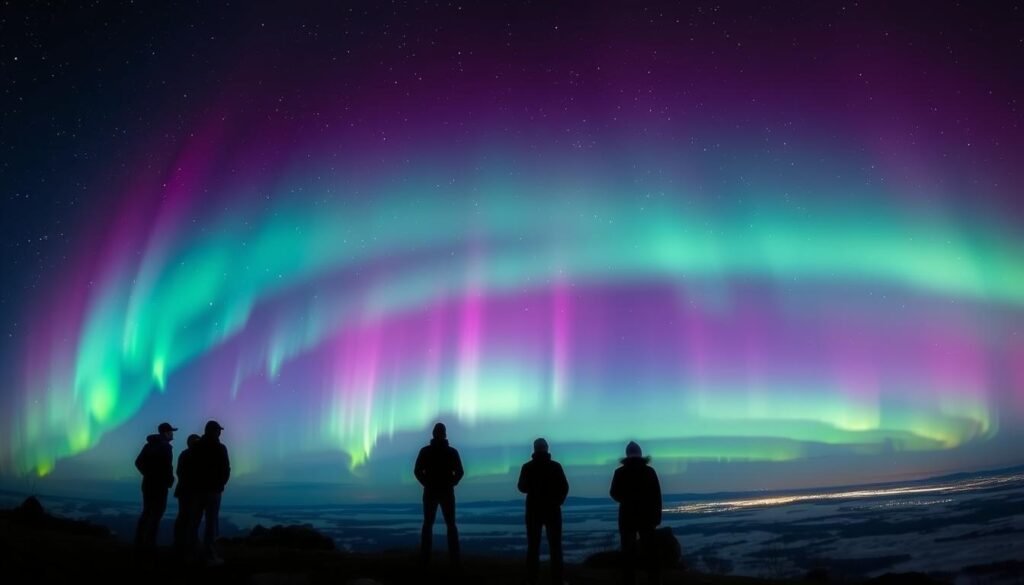
The recent spectacular aurora displays over North America remind us of the dynamic relationship between our sun and Earth. These dazzling celestial light shows not only provide breathtaking visual experiences but also offer glimpses into the powerful forces that shape our solar system.
As we continue through the current solar maximum, aurora enthusiasts across North America have unprecedented opportunities to witness these magnificent displays. By understanding the science behind auroras, staying informed about space weather forecasts, and being prepared to venture out on short notice, you can increase your chances of experiencing one of nature’s most awe-inspiring phenomena.
Whether you’re a seasoned aurora chaser or hoping to catch your first glimpse of the northern lights, the current period of heightened solar activity offers some of the best viewing opportunities in years. Keep your eyes on the northern horizon – the next spectacular light show could be just around the corner.