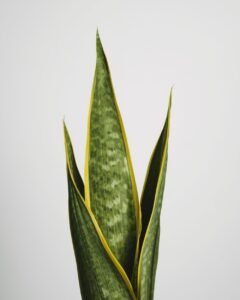
Snake Plant Care Guide: Benefits, Watering & Light
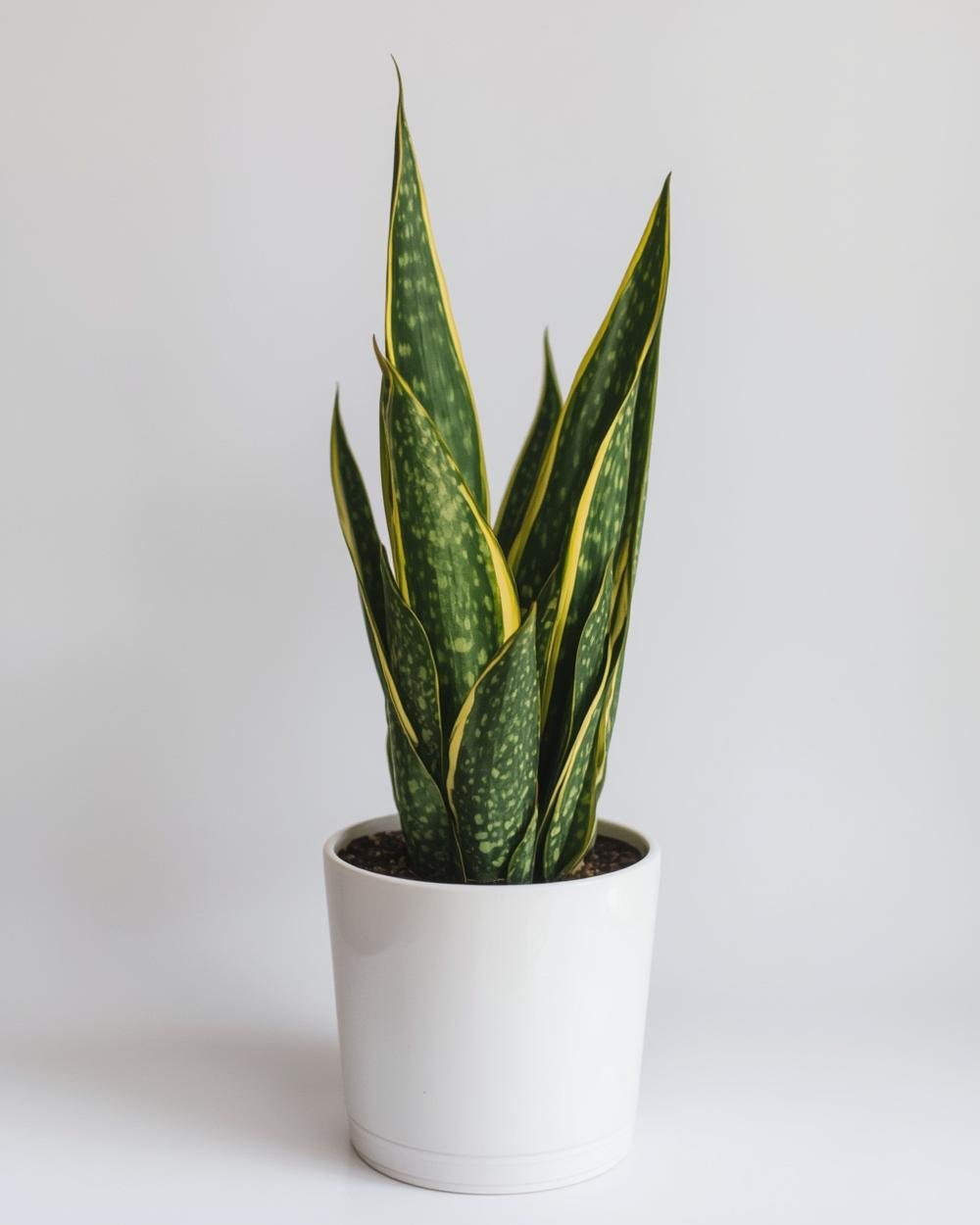
Introduction
If you’re searching for a nearly indestructible houseplant that thrives on neglect while actively improving your living space, look no further than the snake plant (Sansevieria). This architectural wonder isn’t just a visual standout—it’s a powerhouse of practical benefits that make it a must-have for beginners and seasoned plant parents alike. From purifying indoor air to boosting productivity, the snake plant benefits extend far beyond its striking appearance. In this guide, you’ll learn how to harness its resilience while maximizing its health-boosting potential—even if you’ve never kept a plant alive before.
—
Step-by-Step Instructions: Mastering Snake Plant Care
1. Light Requirements
Snake plants adapt to almost any light condition—from dim offices to bright, indirect sunlight. For optimal growth, place them near east-facing windows or 3-5 feet away from south/west exposures. Avoid harsh midday sun, which can scorch leaves.
2. Watering Strategy
Overwatering is the #1 killer of snake plants. Water only when the soil is completely dry (typically every 2-4 weeks). Push your finger 2 inches into the soil: if it’s dry, soak thoroughly until water drains from the pot’s base. Reduce frequency in winter.
3. Soil & Potting
Use a well-draining cactus/succulent mix amended with perlite (ratio: 2:1). Terracotta pots are ideal—their porous material prevents root rot. Repot every 2-3 years when roots poke through drainage holes.
4. Boosting Air Purification
To amplify your snake plant’s natural air-filtering abilities (a standout among snake plant benefits), group multiple plants in high-traffic areas like living rooms or bedrooms. Studies show clustered plants remove airborne toxins 20% more efficiently.
5. Fertilizing
Feed sparingly with a balanced liquid fertilizer (10-10-10) diluted to half strength, applied once in spring and once in summer. Never fertilize in fall/winter.
—
Pro Tips for Thriving Snake Plants
– Leaf Shine Hack: Wipe leaves monthly with a damp cloth + drop of neem oil to remove dust and deter pests.
– Propagation Made Easy: Cut a healthy leaf into 3-inch sections, place in water or soil, and new roots will emerge in 4-6 weeks.
– Pet Safety: While snake plants are mildly toxic if ingested, placing them on high shelves or in hanging planters keeps them safely out of pets’ reach.
—
Alternative Growing Methods
1. Hydroponic Setup
Grow snake plants in LECA (clay pebbles) or water with liquid nutrients. Change water weekly to prevent algae.
2. Terrarium Style
Miniature varieties like Sansevieria ‘Hahnii’ thrive in open glass containers with sand/gravel substrates.
3. Outdoor Growing
In zones 9-11, plant snake plants in shaded patios or under trees. They withstand temperatures as low as 50°F (10°C).
—
Conclusion
The snake plant continues to reign as one of the most versatile and beneficial houseplants you can own. Its striking vertical growth fits seamlessly into modern aesthetics, while its low-maintenance nature makes it ideal for busy lifestyles. By following the care steps above, you’ll not only keep your Sansevieria thriving for years but also fully leverage the remarkable snake plant benefits, from cleaner air to reduced stress. Whether you’re a first-time plant owner or a green-thumbed veteran, this resilient wonder deserves a prime spot in your home.