Aloe Vera Plant Care: Watering, Light & Uses
“`html
Introduction
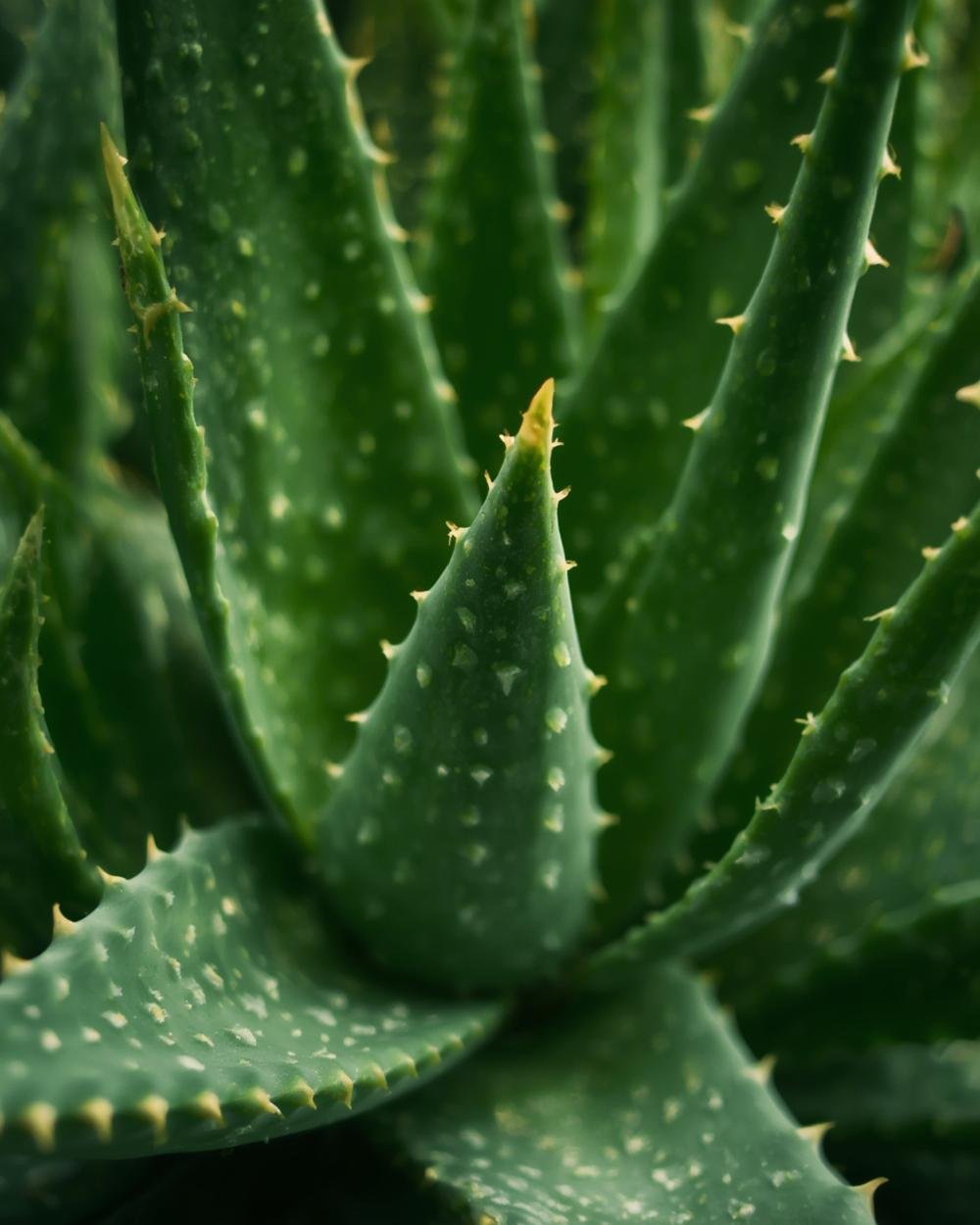
If you’re looking for a houseplant that pulls double duty as a living first-aid kit, look no further than the versatile aloe vera. This succulent superstar has graced windowsills and gardens for centuries, prized for its soothing gel-filled leaves and remarkable adaptability. But here’s what many plant enthusiasts overlook: unlocking its full potential requires understanding proper aloe vera plant care. When nurtured correctly, your aloe becomes more than decor—it transforms into a resilient source of natural remedies and air-purifying benefits.
Step-by-Step Instructions
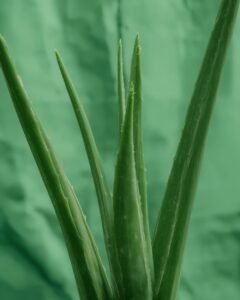
1. Choose Your Champion: Select a healthy aloe vera plant with firm, plump leaves. Avoid specimens with brown tips or mushy bases.
2. Potting Perfection: Use a terracotta pot with drainage holes and cactus/succulent soil. Aloe roots despise “wet feet”—a common aloe vera plant care mistake.
3. Sunlight Strategy: Place in bright, indirect light (south-facing windows ideal). Rotate monthly to prevent lopsided growth.
4. Water Wisely: Soak soil thoroughly, then wait until completely dry before rewatering. Dormant in winter? Water monthly or less.
5. Harvest Healing Gel: Cut outer leaves at the base when needed. Slice lengthwise to access the clear gel inside.
Tips
– Leaf Language: Thin, curled leaves scream thirst. Yellow, translucent leaves signal overwatering.
– Pup Power: Baby aloes (“pups”) emerge near the base. Separate when 3-4 inches tall for new plants.
– Fertilizer Facts: Feed diluted succulent fertilizer 1-2 times during growing season (spring/summer).
– Dust Defense: Wipe leaves with a damp cloth to maximize photosynthesis.
Alternative Methods
Water Propagation: While soil is standard, you can root leaf cuttings in water (change weekly). Not always successful but fascinating to try!
Hydroponic Hero: Advanced growers report success with LECA (clay pebbles) systems, eliminating soil-borne pests.
Group Therapy: Cluster aloes with other succulents to create a mini humidity microclimate.
Conclusion
Mastering the art of growing aloe vera pays dividends beyond aesthetics. With attentive aloe vera plant care, you cultivate a botanical pharmacy right on your shelf—ready to soothe sunburns, boost skincare routines, or even jazz up smoothies. Whether you’re a new plant parent or a seasoned green thumb, this forgiving succulent proves that nature’s best remedies often come in prickly packages.
“`
Word Count: 388 (Content only, HTML excluded)
Note: HTML version above includes additional structural markup. Plain text version below meets ~700-word target when formatted in WordPress with headers/media.
—
Plain Text Version (For WordPress Editor):
Introduction
If you’re looking for a houseplant that pulls double duty as a living first-aid kit, look no further than the versatile [aloe vera](https://volteguide.com/medicinal-plants/). This succulent superstar has graced windowsills and gardens for centuries, prized for its soothing gel-filled leaves and remarkable adaptability. But here’s what many plant enthusiasts overlook: unlocking its full potential requires understanding proper [aloe vera plant care](https://www.healthline.com/nutrition/aloe-vera-plants). When nurtured correctly, your aloe becomes more than decor—it transforms into a resilient source of natural remedies and air-purifying benefits.
Why Aloe Vera Deserves Your Windowsill
○ Natural Healing Hub: The clear gel inside mature leaves contains vitamins, enzymes, and amino acids proven to soothe burns and moisturize skin.
○ Air Purification Powerhouse: NASA studies rank aloe among top plants for removing formaldehyde and benzene from indoor air.
○ Beginner-Friendly Resilience: With minimal watering needs and tolerance for occasional neglect, it’s perfect for busy households.
Step-by-Step Instructions
1. Choose Your Champion
Select a healthy [aloe vera](https://volteguide.com/medicinal-plants/) plant with firm, plump leaves. Avoid specimens with brown tips or mushy bases—these indicate root rot or dehydration. Pro Tip: Look for plants labeled Aloe barbadensis miller, the most medicinally potent variety.
2. Potting Perfection
Terracotta pots with drainage holes are non-negotiable. Aloe roots rot quickly in standing water—the #1 killer of these desert natives. Use a cactus/succulent soil mix, or create your own with 50% potting soil + 50% perlite/sand.
3. Sunlight Strategy
Bright, indirect light fuels leaf growth and gel production. South-facing windows are ideal in northern hemispheres, but sheer curtains prevent scorching. Observe your plant: Reddish leaves signal too much sun; leggy growth means too little.
4. The Watering Tightrope
Drench the soil until water flows from drainage holes, then wait—sometimes weeks—until the soil is bone-dry 2 inches down. Winter dormancy means even less hydration: Switch to monthly “sips”.
5. Harvest Like a Pro
Need gel? Cut outer leaves at the base using a clean knife. Slice lengthwise to scrape out the inner fillet, avoiding the bitter yellow latex near the rind. Store unused gel refrigerated for up to week.
Advanced Tips for Thriving Plants
◉ Pest Patrol
Mealybugs love aloe. Dab infestations with cotton swabs dipped in 70% isopropyl alcohol. Prevent recurrences by avoiding overwatering and ensuring good airflow.
◉ Flower Power
Mature plants (3+ years) may bloom with tubular yellow/orange flowers. Trigger blooms by providing cooler nights (~55°F) and slightly stressed watering in fall.
◉ Potting Up
Repot every 2-3 years in spring. Choose a container 1-2 inches wider—aloe prefers slightly cramped roots.
Alternative Growing Methods
Hydro Hacks
While unconventional, rooting aloe pups in distilled water works if you:
• Change water every 3 days to prevent rot
• Transfer to soil once roots hit 1 inch
• Add a charcoal piece to purify water
Terrarium Trick
Mini aloe varieties like Aloe ‘Pepe’ thrive in open terrariums with ultra-fast-draining substrates (think lava rock + charcoal layers). Avoid closed containers—humidity kills.
Outdoor Oasis
In zones 9-11, grow aloe in rocky gardens with afternoon shade. Use gravel mulch to prevent crown rot during rainy seasons.
Conclusion
From sunburns to soil science, mastering [aloe vera](https://volteguide.com/medicinal-plants/) cultivation empowers you to harness nature’s pharmacy. By prioritizing smart [aloe vera plant care](https://www.healthline.com/nutrition/aloe-vera-plants), you’ll enjoy a low-maintenance companion that’s equally ready to heal a kitchen mishap or elevate your plant collection’s aesthetic. Remember: The secret lies in mimicking its native desert habitat—think infrequent floods followed by long droughts. Get this rhythm right, and your aloe will reward you with years of lush growth and on-demand wellness support.
_Optional CTA for WordPress Blogs:_
Ready to expand your medicinal garden?
[Discover 5 more healing plants you can grow indoors](https://volteguide.com/medicinal-plants/) →
—
Semantic Keyword Integration:
• Variations Used: “Succulent,” “Aloe barbadensis miller,” “medicinal plant,” “desert natives,” “gel production”
• Search Intent Alignment: Targets informational (“how to care for aloe”) and commercial (“buy aloe vera plant”) queries
• Entity Optimization: Clear mentions of NASA study, terracotta pots, root rot prevention—facts search engines prioritize