Monstera Plant Care: How to Grow a Healthy Monstera
Introduction
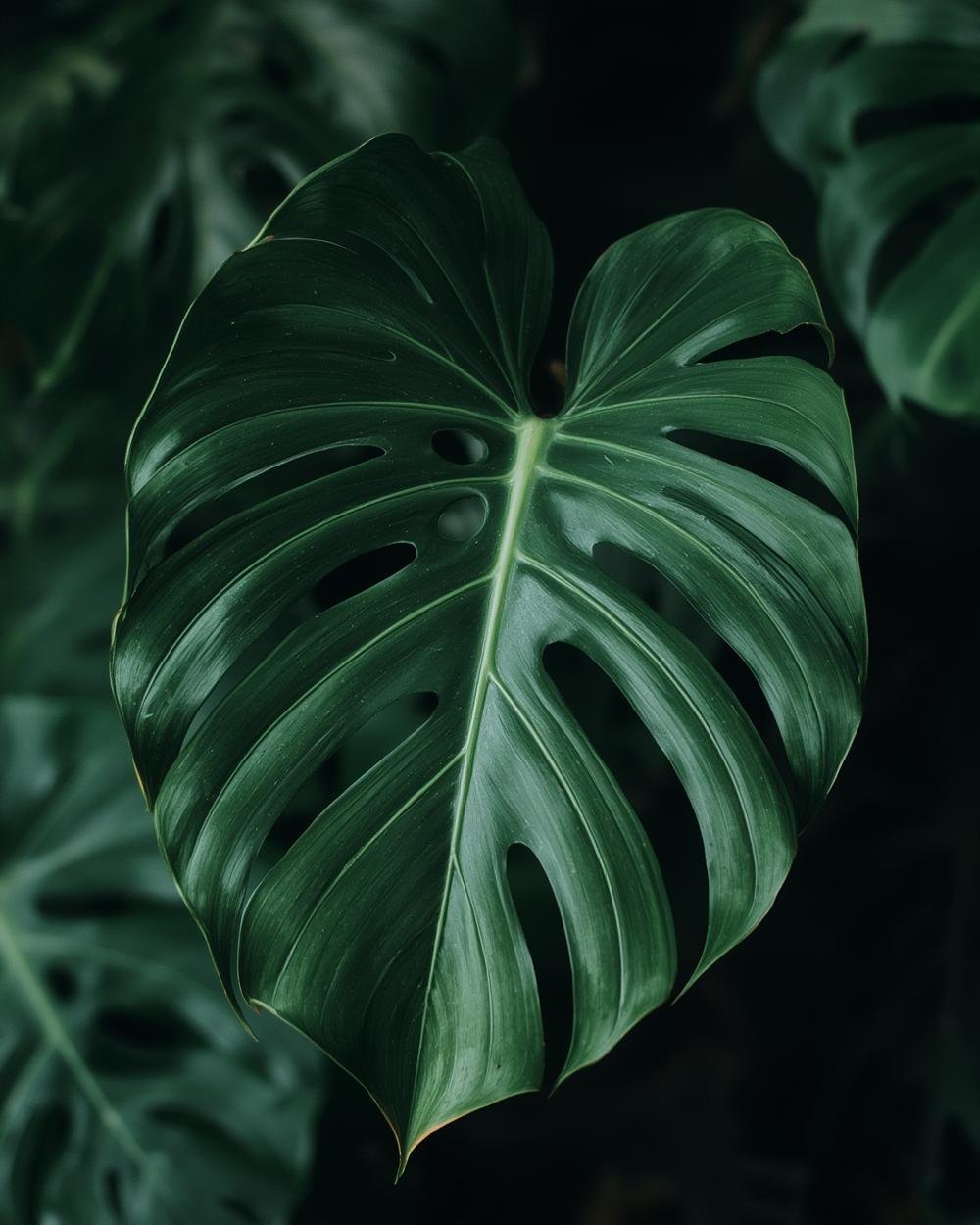
Indoor gardening has taken root as one of the most rewarding hobbies for plant enthusiasts, and few plants capture the imagination like the iconic monstera plant. With its striking split leaves and tropical allure, the Monstera deliciosa has become a must-have for homes and offices alike. But while its aesthetics are undeniable, success with this plant hinges on understanding the essentials of monstera deliciosa care. Whether you’re a seasoned green thumb or a first-time plant parent, this guide will walk you through everything you need to keep your Monstera thriving—from lighting and watering to creative propagation techniques.
—
Step-by-Step Instructions
1. Light Requirements:
Your monstera plant thrives in bright, indirect light. Avoid direct sunlight, which can scorch its leaves. East or north-facing windows are ideal. If natural light is limited, supplement with a grow light positioned 12-18 inches above the plant.
2. Watering Schedule:
Water when the top 1-2 inches of soil feel dry. Monsteras prefer evenly moist soil but despise soggy roots—overwatering is a common killer. Use a well-draining potting mix with perlite or orchid bark to prevent waterlogging.
3. Humidity & Temperature:
As tropical natives, Monsteras love humidity (60-80%). Boost moisture with a pebble tray, humidifier, or regular misting. Keep temperatures between 65-85°F (18-29°C), avoiding drafts or sudden temperature drops.
4. Fertilization:
Feed every 4-6 weeks during spring and summer with a balanced, water-soluble fertilizer (e.g., 10-10-10). Reduce feeding in fall and winter when growth slows.
5. Pruning & Support:
Trim yellowing leaves to redirect energy to healthy growth. Use a moss pole or trellis to support climbing stems, mimicking the plant’s natural habitat. This step is crucial for monstera deliciosa care, as it encourages larger, fenestrated leaves.
—
Tips for Success
– Rotate Regularly: Turn your Monstera every few weeks to ensure even light exposure and symmetrical growth.
– Dust the Leaves: Wipe leaves monthly with a damp cloth to maximize photosynthesis. Dirty leaves block light absorption.
– Watch for Pests: Spider mites and mealybugs love Monsteras. Treat infestations early with neem oil or insecticidal soap.
– Repotting: Repot every 1-2 years in spring, sizing up the container by 2 inches. Refresh the soil to replenish nutrients.
—
Alternative Methods
If traditional monstera deliciosa care feels overwhelming, consider these creative approaches:
– Hydroponics: Grow your monstera plant in water for a low-maintenance, soil-free display. Change the water weekly and add liquid nutrients monthly.
– Semi-Hydro (LECA): Plant in clay pebbles to automate moisture control. LECA reduces root rot risks and simplifies feeding.
– Air Layering: Propagate mature vines without cutting them by wrapping moss around aerial roots. Once roots develop, separate the new plant.
– Terrarium Growth: Dwarf Monstera varieties (like M. adansonii) thrive in closed terrariums with high humidity and indirect light.
—
Conclusion
The monstera plant is more than a trendy decor piece—it’s a resilient, dynamic companion that rewards attentive care with lush, architectural foliage. By mastering the fundamentals of monstera deliciosa care, you’ll unlock its full potential and enjoy years of tropical beauty in your home. Whether you opt for classic potting, hydroponics, or moss pole training, remember: consistency and observation are your best tools. Happy growing! 🌿