Snake Plant Care Guide: Benefits, Watering & Light
Introduction
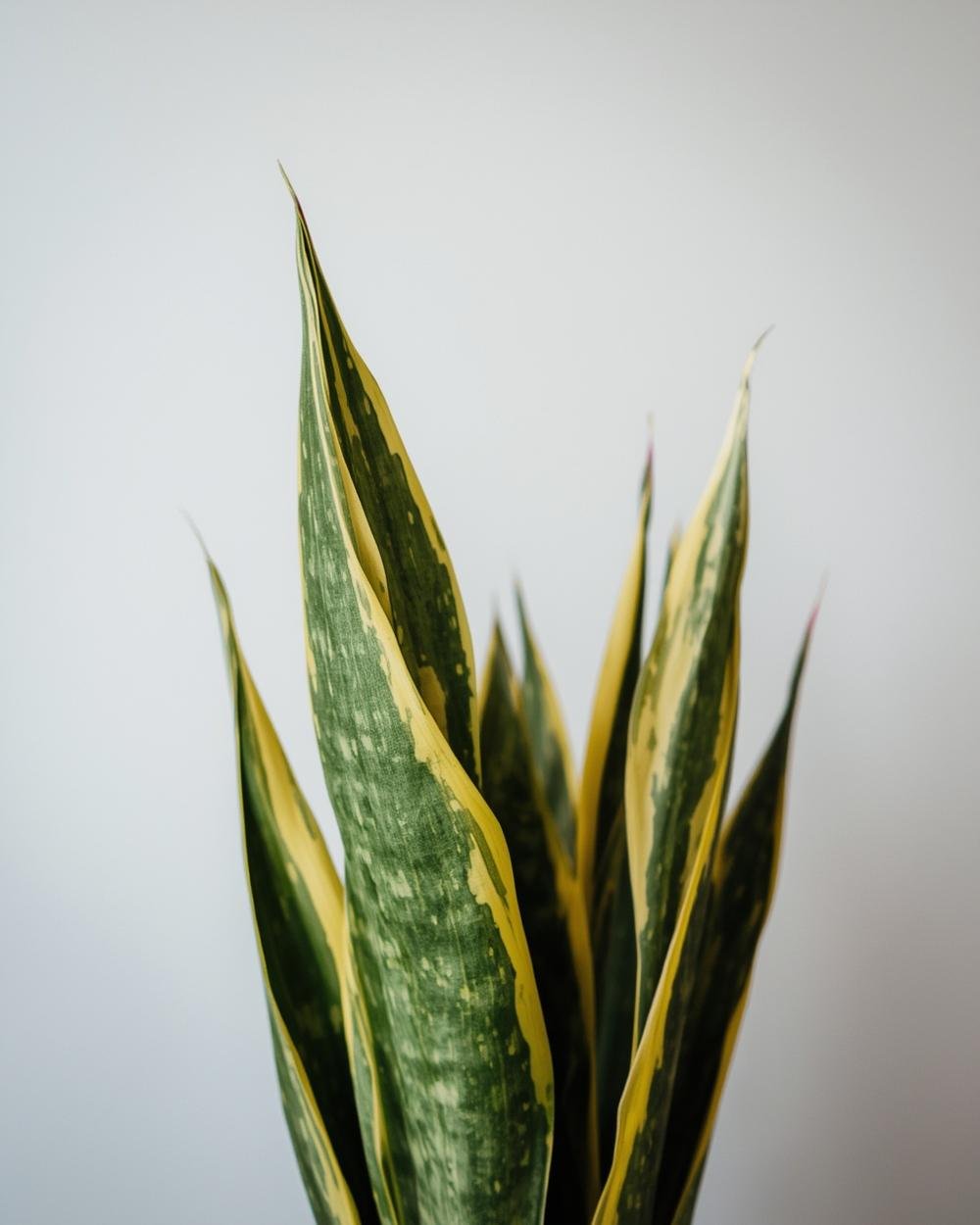
If you’re looking for a houseplant that combines striking aesthetics with near-bulletproof resilience, look no further than the snake plant (Sansevieria trifasciata). With its sword-like leaves and architectural elegance, this drought-tolerant powerhouse has earned its reputation as a perfect starter plant for beginners and a favorite among seasoned plant enthusiasts. Beyond its good looks, the snake plant benefits extend to remarkable air-purifying qualities—it’s even been shown by NASA studies to filter toxins like formaldehyde and benzene. Whether you’re combating neglect-prone spaces or seeking a natural air-quality booster, this low-maintenance marvel delivers.
Step-by-Step Instructions
1. Choose the Right Pot and Soil
Snake plants thrive in snug containers with drainage holes. Use a well-draining cactus/succulent mix (or blend potting soil with perlite or sand). Their rhizomatic roots prefer being slightly root-bound, so avoid oversizing pots.
2. Water Sparingly
Overwatering is the #1 killer of Sansevieria. Water only when the top 2 inches of soil are bone-dry—typically every 2–4 weeks. Reduce frequency in winter. Pro tip: Use room-temperature water to avoid shocking roots.
3. Optimize Light Conditions
While adaptable, snake plants grow best in bright, indirect light (e.g., near east/west windows). They tolerate low light but may grow slower. Avoid harsh midday sun, which can scorch leaves.
4. Monitor Temperature and Humidity
Ideal temperatures range from 60°F to 85°F. They handle average household humidity but prefer drier air—keep away from bathrooms or overly humid spaces.
Tips for Thriving Snake Plants
– Dust the Leaves: Wipe leaves monthly with a damp cloth to maximize photosynthesis.
– Rotate Periodically: Ensure even growth by rotating the pot every few weeks.
– Fertilize Lightly: Feed sparingly with a balanced liquid fertilizer (half-strength) during spring/summer. Over-fertilizing can cause leaf burn.
Alternative Methods for Propagation
Want more snake plants for free? Try these propagation hacks:
– Leaf Cuttings in Water: Cut a healthy leaf into 3-inch segments, submerge the bottom inch in water, and wait for roots (4–8 weeks).
– Soil Division: During repotting, gently separate rhizomes (root stems) with a knife. Ensure each division has roots and at least one leaf.
– Pups: Mature plants produce “pups” (offsets). Remove these with roots intact and repot them individually.
Leveraging Snake Plant Benefits Beyond Basics
Place Sansevieria in bedrooms for nighttime oxygen release—a rare trait among plants. They’re also pet-friendly (non-toxic) options when placed out of reach of curious nibblers.
Conclusion
The snake plant is more than just a pretty accent—it’s a functional, forgiving companion that elevates any living space while silently tackling indoor pollutants. By mastering simple care steps like infrequent watering and proper lighting, you’ll unlock its full potential. And with the added snake plant benefits of air purification and stress-free propagation, this botanical workhorse proves that sometimes, the best things in plant parenting truly come with minimal effort.