Spider Plant Care: Easy Growing & Propagation Tips
Introduction
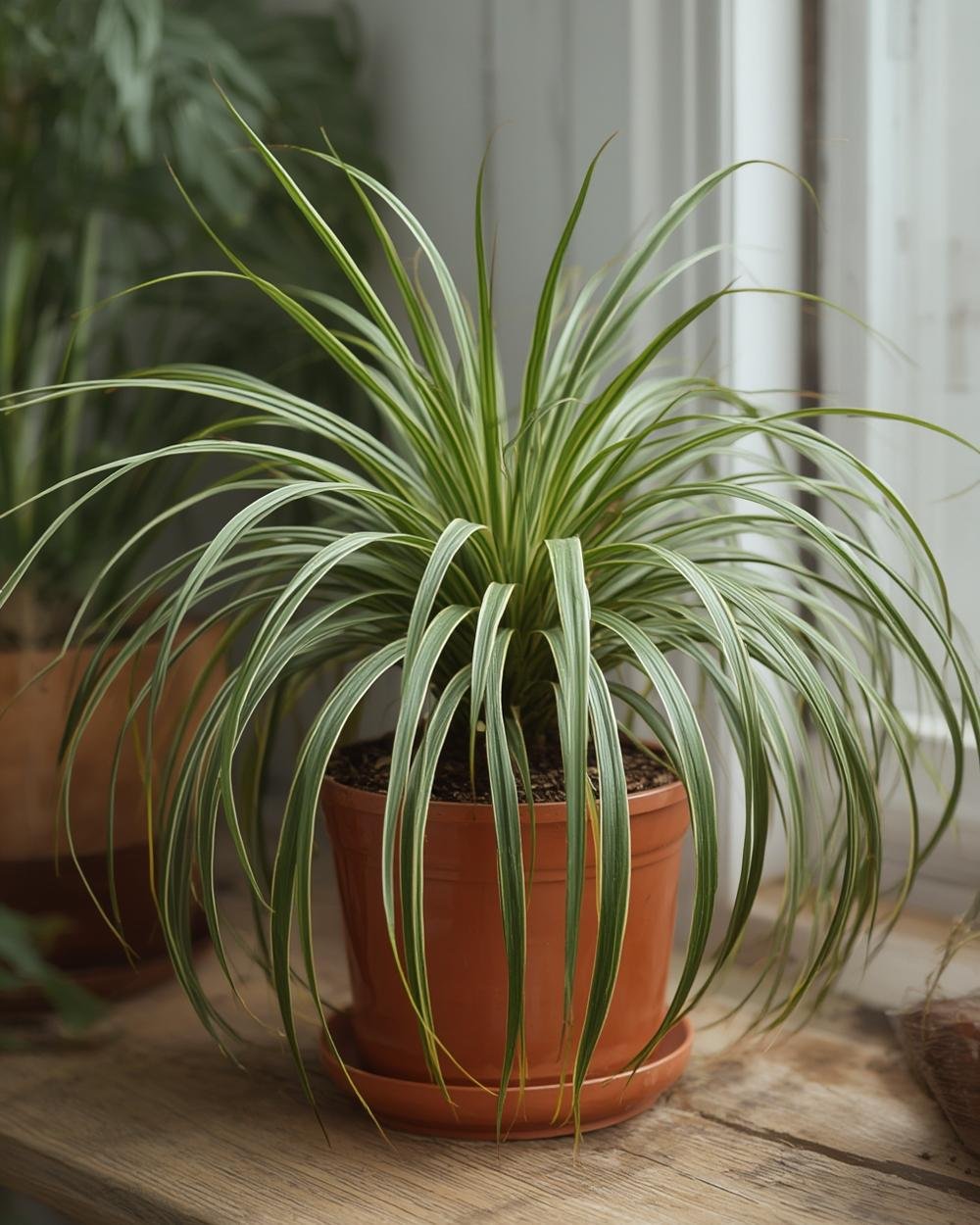
If you’re looking for a low-maintenance, air-purifying houseplant that thrives in almost any environment, the spider plant (Chlorophytum comosum) is a perfect choice. Known for its arching green-and-white-striped leaves and ability to produce cascading “spiderettes,” this resilient plant is ideal for beginners and seasoned gardeners alike. One of its standout features? spider plant propagation is incredibly simple, making it easy to expand your collection or share with friends. Whether you’re optimizing your indoor jungle or exploring plant parenthood for the first time, understanding how to care for—and multiply—this versatile plant ensures long-term success.
—
Step-by-Step Instructions
1. Mastering Basic Care
Spider plants thrive in bright, indirect light but tolerate partial shade. Water them when the top inch of soil feels dry, and ensure proper drainage to prevent root rot. For best results, use a well-draining potting mix and fertilize monthly during spring and summer.
2. Propagating Spider Plant Offshoots
The magic of spider plant propagation lies in its tiny “spiderettes” (baby plants). Once these offshoots develop small roots (about 2–3 cm long), snip them from the parent plant using sterilized scissors. Place them in water for 1–2 weeks to strengthen the roots, then transfer them to soil. Alternatively, plant them directly into moist soil while still attached to the mother plant for a seamless transition.
3. Monitoring Growth & Troubleshooting
Keep new propagations in indirect light and maintain consistent moisture. Yellow leaves? Overwatering or excessive direct sun might be the culprit. Brown tips? Fluoride in tap water could be the issue—use filtered or distilled water instead. With minimal effort, your spider plant will flourish and produce even more offshoots for future propagation.
—
Tips for Success
– Light: Bright, indirect light (e.g., near an east-facing window) promotes vibrant foliage.
– Watering: Allow soil to dry slightly between waterings—spider plants prefer “drought and deluge” cycles.
– Humidity: Mist occasionally or place in naturally humid spaces (e.g., bathrooms) for lush growth.
– Pot Choice: Opt for containers 1–2 inches wider than the root ball to avoid waterlogging.
—
Alternative Methods
If water propagation isn’t your style, try these approaches for multiplying your spider plant:
– Soil Layering: Pin a spiderette (still attached to the parent) onto moist soil in a nearby pot. Once rooted, sever the connecting stem.
– Division: During repotting, gently separate mature plants into smaller clumps, ensuring each division has healthy roots.
Both methods simplify spider plant propagation while minimizing transplant shock.
—
Conclusion
The spider plant is more than just a decorative accent—it’s a gateway to sustainable gardening. With its forgiving nature and effortless spider plant propagation, this species empowers you to grow your indoor oasis exponentially. By following these guidelines, you’ll enjoy healthier plants, fuller baskets, and the satisfaction of nurturing life from a single spiderette to a thriving collection. Ready to get started? Your next propagation project awaits!