Sleep Deprivation Effects on Brain and Body

Sleep Deprivation Effects on Brain and Body
Unmasking the Silent Threat: The Profound Effects of Sleep Deprivation on Your Brain and Body
Meta Description: Explore the extensive effects of sleep deprivation on mental focus, immunity, hormonal balance, and long-term health, and learn how vital restorative sleep truly is.
—
Sleep, often perceived as a mere pause in our busy lives, is, in fact, an indispensable biological imperative, a fundamental pillar supporting every aspect of our health. When we consistently shortchange our sleep, we initiate a cascading series of events that profoundly impact our cognitive abilities, emotional well-being, physical resilience, and even our long-term health trajectory. Understanding the intricate ways sleep deprivation undermines our brain and body is the first step toward reclaiming this vital aspect of well-being.
Understanding Sleep: More Than Just Rest
To truly grasp the gravity of sleep deprivation, it helps to appreciate what healthy sleep entails. Sleep is not a monolithic state but a complex, dynamic process characterized by distinct stages: non-rapid eye movement (NREM) sleep, divided into three substages, and rapid eye movement (REM) sleep. These stages cycle throughout the night, each playing a critical role in restoration, memory consolidation, and emotional processing.
During NREM sleep, especially the deeper stages, our body undergoes physical repair. Tissues grow and repair, hormones vital for growth and appetite are released, and energy stores are replenished. This is the physiological recharge period. As we transition into REM sleep, our brain becomes highly active, similar to wakefulness. This stage is crucial for processing emotions, consolidating memories, and integrating new information. Dreaming predominantly occurs during REM sleep, and it’s thought to play a role in learning and creativity.
When we consistently cut short our sleep, we deprive ourselves of these essential restorative processes. A single night of poor sleep can leave us feeling sluggish, but chronic sleep deprivation—defined as not getting enough sleep over an extended period—accumulates a “sleep debt” that exacts a heavy toll on virtually every system in the body, leading to a myriad of adverse effects that go far beyond simple tiredness.
Early Signs and Symptoms
Identifying sleep deprivation early can be challenging because its initial signs often mimic general fatigue or stress. However, recognizing these subtle cues is crucial for addressing the issue before it escalates into more significant health concerns. One of the most common and immediate indicators is an overwhelming sense of drowsiness during the day, often manifesting as difficulty staying awake in meetings, during passive activities like reading, or even while driving. This daytime sleepiness is not just a feeling of being tired; it can lead to involuntary “microsleeps” – brief, unconscious episodes of sleep lasting a few seconds, which can be particularly dangerous if one is operating machinery or a vehicle.
Beyond simple fatigue, individuals experiencing sleep deprivation may notice a significant dip in their cognitive performance. This includes difficulty concentrating on tasks, struggling to maintain focus, and finding it harder to pay attention to details. Tasks that once felt routine might now seem arduous, requiring immense mental effort. Information recall can become sluggish, with people finding themselves forgetting appointments, struggling to remember names, or having trouble retaining new information learned. Mental fogginess, a pervasive sense of unclarity in thought, is another hallmark.
Mood disturbances are also prominent early signs. People often report increased irritability, a shorter temper, or an uncharacteristic tendency to feel frustrated or upset over minor inconvenies. Emotional resilience diminishes, making it harder to cope with stress or everyday challenges. Some might experience heightened anxiety or feelings of sadness, even in the absence of significant stressors. Physical indicators can include dark circles under the eyes, general lethargy, reduced motivation, and an increased desire for sugary or caffeinated beverages to try and counteract the pervasive tiredness. Often, these early warning signs are dismissed as part of a busy life, but they are critical signals from the body and brain urging for more restorative sleep.
The Brain Under Siege: Cognitive and Mental Impacts
The brain is arguably the most vulnerable organ when it comes to the impact of insufficient sleep. Its complex functions rely heavily on a regular, restorative sleep cycle. When sleep is curtailed, the brain struggles to perform its essential duties, leading to a broad spectrum of cognitive and mental impairments. These effects can significantly compromise daily functioning, professional performance, and personal safety.
Impaired Cognitive Function
One of the most noticeable consequences of sleep deprivation is a marked decline in cognitive function. This manifests primarily as difficulties with attention, concentration, and sustained focus. The brain’s ability to allocate resources to specific tasks diminishes, making it challenging to filter out distractions and maintain a train of thought. For example, a student attempting to study after a sleepless night might find themselves rereading the same paragraph multiple times without comprehending its content, or an office worker might struggle to complete reports that require sustained mental effort. This impaired attentional capacity makes learning new information or engaging in complex problem-solving significantly more difficult.
The prefrontal cortex, the brain region responsible for executive functions like planning, decision-making, and impulse control, is particularly sensitive to sleep loss. When this area is compromised, individuals may exhibit poorer judgment, struggle to prioritize tasks effectively, and find themselves acting more impulsively. This can have serious repercussions in professional settings, where strategic thinking and sound judgment are paramount.
Memory Deficits
Sleep plays a critical role in memory consolidation, the process by which new information is converted from short-term to long-term memory. During NREM sleep, particularly slow-wave sleep, memories are believed to be reactivated and transferred from temporary storage in the hippocampus to more permanent storage in the cerebral cortex. REM sleep further refines these memories and integrates them with existing knowledge.
When sleep is insufficient, this vital consolidation process is disrupted. As a result, individuals may find it harder to learn new things, struggling with both encoding new information and retrieving previously learned facts. Students preparing for exams often make the mistake of pulling all-nighters, inadvertently sabotaging their ability to recall the very information they spent hours cramming. The impact isn’t just on factual recall; procedural memories (how to do things) and emotional memories can also be affected, leading to difficulty remembering skills or processing emotional events.
Emotional Dysregulation and Mood Swings
Sleep deprivation profoundly impacts emotional regulation, often leading to heightened emotional reactivity and an increased propensity for mood disturbances. The amygdala, the brain’s emotional processing center, becomes hyperactive when sleep-deprived, leading to an exaggerated response to stressors and negative stimuli. Simultaneously, the connection between the amygdala and the prefrontal cortex, which normally helps regulate emotional responses, weakens.
This neurological shift results in a reduced capacity to manage emotions effectively. Individuals may experience increased irritability, a shorter temper, and difficulty controlling emotional outbursts. Minor frustrations can feel overwhelming, leading to disproportionate reactions. This emotional dysregulation contributes to an elevated risk of anxiety and depression. Chronic sleep loss can exacerbate existing mental health conditions and is considered a significant risk factor for the development of new mood disorders. For instance, people struggling with insomnia often report higher levels of anxiety and depressive symptoms, creating a challenging feedback loop where poor sleep fuels negative emotions, which in turn make it harder to sleep.
Reduced Decision-Making and Problem-Solving
The ability to make sound decisions and effectively solve problems is a cornerstone of daily life, both personally and professionally. These complex cognitive functions rely on a well-rested and optimally functioning brain. Sleep deprivation impairs critical thinking, creativity, and the capacity to weigh options thoughtfully. When individuals are sleep-deprived, they tend to opt for easier, less demanding solutions, even if these are not the most effective ones. Risk assessment also becomes compromised, leading to more impulsive and potentially detrimental choices.
Consider a professional facing a complex business decision after a night of insufficient sleep; they might overlook crucial details, misinterpret data, or choose a less optimal strategy. The brain’s ability to engage in divergent thinking, essential for creative problem-solving, is also diminished, limiting innovative solutions. This reduction in decision-making prowess can have far-reaching consequences, from minor everyday blunders to significant professional setbacks or personal regrets.
Increased Risk of Accidents
One of the most immediate and dangerous consequences of sleep deprivation is the increased risk of accidents. Drowsy driving, in particular, is a pervasive public health concern. Operating a vehicle while sleep-deprived can be as dangerous as driving under the influence of alcohol, severely impairing reaction time, judgment, attention, and coordination. The phenomenon of microsleeps, those involuntary lapses into sleep lasting mere seconds, can occur without warning, leading to devastating outcomes on the road.
Beyond driving, the risk of accidents extends to the workplace, especially in professions requiring alertness and precision, such as healthcare, construction, and manufacturing. Sleep-deprived individuals are more prone to making errors, misjudging situations, and experiencing slower reaction times, which can lead to injuries or critical mistakes. Even in domestic settings, simple tasks like cooking or using tools can become hazardous due to impaired coordination and reduced vigilance. The cumulative effect of these impairments transforms ordinary activities into potential hazards, highlighting the critical link between adequate sleep and personal safety.
The Body’s Battle: Physical Health Consequences
While the brain’s immediate response to sleep deprivation is often highlighted, the physical body also endures substantial strain. Every system, from the immune system to the cardiovascular system, relies on restorative sleep to function optimally. Chronic lack of sleep places immense stress on the body, paving the way for a variety of health issues, both acute and chronic.
Compromised Immune System
Sleep plays a fundamental role in maintaining a robust immune system. During sleep, the body produces and releases cytokines, small proteins that are vital for fighting infection and inflammation. These cytokines increase in production when we are ill, stressed, or sleep-deprived, acting as messengers that help regulate immune responses. However, chronic sleep deprivation can reduce the production of these protective cytokines, making the body less effective at fending off common infections like the flu or the common cold.
Furthermore, sleep loss impacts the formation of memory T cells, which are crucial for the immune system to remember previous invaders and mount a faster, more effective response upon re-exposure. Studies have shown that individuals who are sleep-deprived have a diminished antibody response to vaccines, indicating that their immune system is less capable of building lasting protection. This means chronic lack of sleep not only increases susceptibility to illness but also prolongs recovery times, making individuals feel unwell for longer periods. The body’s natural defense mechanisms are systematically weakened, leaving it vulnerable to a wide array of pathogens and chronic inflammatory states.
Hormonal Imbalance and Metabolic Disruptions
Sleep and hormones share an incredibly intricate relationship. Many crucial hormones are regulated by our circadian rhythm and sleep-wake cycle. Sleep deprivation throws this delicate balance into disarray, leading to significant metabolic and endocrine consequences. Two hormones particularly affected are ghrelin and leptin, which regulate appetite. Ghrelin, often called the “hunger hormone,” increases when we are sleep-deprived, while leptin, the “satiety hormone” that signals fullness, decreases. This imbalance drives increased appetite, particularly for high-carbohydrate, high-fat foods, and can lead to overeating and weight gain.
Cortisol, often known as the “stress hormone,” also sees its levels rise with insufficient sleep. Elevated cortisol levels can contribute to insulin resistance, making it harder for cells to absorb glucose from the bloodstream, thereby increasing the risk of type 2 diabetes. The body’s ability to process glucose is impaired, leading to higher blood sugar levels. Beyond these, growth hormone production, vital for tissue repair and muscle growth, is primarily released during deep sleep stages. Insufficient sleep can diminish its secretion, impacting physical recovery and overall body composition. Testosterone levels in men can also be negatively affected, impacting energy, mood, and sexual function. The pervasive disruption of these hormonal systems sets the stage for a host of metabolic disorders.
Cardiovascular Strain
The cardiovascular system endures significant stress when sleep is consistently inadequate. During healthy sleep, blood pressure naturally dips, providing a crucial period of rest and recovery for the heart and blood vessels. This phenomenon is known as “nocturnal dipping.” However, sleep deprivation prevents this essential dip, leading to elevated blood pressure for longer periods. Chronic high blood pressure, or hypertension, is a major risk factor for heart disease, stroke, and kidney damage.
Lack of sleep also increases systemic inflammation and can contribute to the hardening and narrowing of arteries, a process called atherosclerosis. It can affect heart rate variability, an indicator of the nervous system’s ability to adapt to different situations, with reduced variability suggesting poorer heart health. Over time, these cumulative effects significantly elevate the risk of developing serious cardiovascular conditions such as heart attacks, strokes, and heart failure. The heart, just like any other muscle, needs its downtime to recover and function optimally; denying it this vital rest has profound and potentially life-threatening consequences.
Pain Perception and Inflammation
Sleep and pain share a bidirectional relationship: pain can disrupt sleep, and lack of sleep can intensify pain. When sleep-deprived, the body’s pain threshold decreases, meaning individuals may perceive pain more acutely and with greater intensity. This phenomenon is observed in various conditions, from chronic back pain to fibromyalgia, where insufficient sleep exacerbates symptoms and reduces the effectiveness of pain management strategies. The brain’s ability to modulate pain signals is compromised, leading to a heightened sensation of discomfort.
Furthermore, sleep deprivation promotes systemic inflammation throughout the body. Inflammatory markers, such as C-reactive protein (CRP) and various cytokines, tend to be elevated in individuals who consistently get insufficient sleep. Chronic low-grade inflammation is implicated in a wide array of health problems, including cardiovascular disease, autoimmune disorders, and even some cancers. The body becomes trapped in a vicious cycle where sleep loss fuels inflammation, which in turn can contribute to pain and further disrupt sleep, creating a persistent challenge for overall well-being.
Digestive System Health
The intricate workings of our digestive system are also surprisingly sensitive to the impact of sleep deprivation. A healthy gut microbiome, the community of beneficial bacteria residing in our intestines, plays a crucial role in digestion, nutrient absorption, and even immune function. Research suggests that chronic sleep loss can negatively alter the composition and diversity of the gut microbiome, potentially leading to dysbiosis. This imbalance can contribute to various digestive issues, including increased gut permeability (leaky gut), irritable bowel syndrome (IBS) symptoms, and a heightened risk of inflammatory bowel diseases.
Moreover, the release of digestive hormones and the rhythmic contractions of the gut (peristalsis) are influenced by circadian rhythms, which are disrupted by irregular sleep patterns. This disruption can lead to problems like indigestion, acid reflux, constipation, or diarrhea. The interconnectedness of the gut-brain axis means that gut health also impacts mood and cognitive function, creating a complex web of interactions where sleep deprivation can initiate a cascade of negative effects throughout the body.
Skin Health and Appearance
While perhaps not as critical as the internal physical effects, the impact of sleep deprivation on skin health and appearance is often one of the most visible signs. The term “beauty sleep” holds a basis in scientific reality. During deep sleep, the body undergoes significant repair and regeneration processes, including those for the skin. Blood flow to the skin increases, delivering vital nutrients and oxygen, and cellular repair and collagen production accelerate.
When sleep is insufficient, these reparative processes are hindered. The skin’s ability to repair itself from daily environmental stressors like UV exposure and pollution is compromised. This can lead to a duller complexion, increased fine lines and wrinkles, and a loss of skin elasticity. Puffy eyes, dark circles, and a generally tired appearance are common visual indicators of lack of sleep. Furthermore, elevated cortisol levels from chronic sleep deprivation can trigger inflammatory skin conditions like acne, eczema, and psoriasis, or exacerbate existing ones. The skin loses its natural glow and resilience, reflecting the internal stress the body is under.
Long-Term Health Implications
The immediate effects of sleep deprivation are concerning, but the cumulative impact over years can pave the way for a host of chronic, debilitating diseases, significantly reducing both lifespan and quality of life. The body’s remarkable ability to adapt is eventually overwhelmed, leading to systemic breakdown.
Increased Risk of Chronic Diseases
Chronic sleep deprivation is not merely an inconvenience; it is a profound risk factor for the development of several major chronic diseases. We’ve touched upon how it can lead to type 2 diabetes through insulin resistance and impaired glucose metabolism. Similarly, the continuous strain on the cardiovascular system significantly increases the likelihood of hypertension, coronary artery disease, heart attacks, and strokes. The sustained elevation of stress hormones and inflammatory markers contributes to these cardiovascular risks.
Furthermore, the hormonal imbalances impacting appetite and metabolism, combined with reduced motivation for physical activity, make obesity a far more likely outcome for those chronically deprived of sleep. Obesity, in turn, is a gateway to numerous other health problems, including joint issues, sleep apnea, and certain types of cancer. Emerging research also suggests links between long-term sleep disruption and increased risk for certain cancers, though this area requires further investigation. The chronic inflammatory state induced by sleep loss is a common underlying factor in the progression of many of these long-term conditions.
Neurological Health
Beyond the immediate cognitive impairments, chronic sleep deprivation may have more insidious, long-term effects on neurological health. Sleep is a crucial period for the brain to clear metabolic waste products that accumulate during wakefulness. One notable waste product is beta-amyloid, a protein associated with Alzheimer’s disease. The glymphatic system, a waste clearance system unique to the brain, is most active during deep sleep.
Persistent lack of sleep can impair the efficient clearance of these potentially harmful proteins, leading to their accumulation. While research is still ongoing and complex, growing evidence suggests a potential link between chronic sleep deprivation and an increased risk of neurodegenerative diseases, including Alzheimer’s and Parkinson’s disease, later in life. This highlights sleep as not just a recovery process, but an active maintenance function vital for long-term brain integrity. The implications are profound, suggesting that prioritizing sleep throughout life could be a critical protective factor against cognitive decline.
Impact on Lifespan and Quality of Life
The overarching consequence of chronic sleep deprivation is a diminished quality of life and potentially a shortened lifespan. The constant fatigue, mood disturbances, impaired cognitive function, and increased susceptibility to illness collectively erode an individual’s ability to engage fully in their work, hobbies, relationships, and daily activities. Joy and productivity are replaced by lethargy and struggle.
The cumulative toll of physical diseases, from diabetes to heart conditions, necessitates ongoing medical management, reduces physical capabilities, and can lead to significant discomfort and disability. Beyond the purely medical aspects, the impact on mental health, including increased risk of anxiety and depression, further detracts from overall well-being. Ultimately, consistently sacrificing sleep is not merely sacrificing hours from the night; it is sacrificing vitality, health, and years from a fulfilling life.
Contributing Factors to Sleep Deprivation
Understanding the profound effects of sleep deprivation naturally leads to questioning its causes. While individual factors vary, several common culprits contribute to widespread insufficient sleep in modern society. Recognizing these can be the first step toward mitigating their impact.
Modern Lifestyle Demands
The relentless pace of modern life often places immense pressure on individuals to extend their waking hours. Demanding work schedules, long commutes, the expectation of constant productivity, and the desire to balance professional life with personal commitments often lead to sleep being the first thing sacrificed. The “24/7” culture, fueled by global connectivity and competitive environments, can create a mindset where sleep is viewed as a luxury rather than a necessity. Shift work, in particular, can profoundly disrupt natural circadian rhythms, making consistent, high-quality sleep a significant challenge for millions.
Technology Use
The pervasive presence of technology is another major contributor to sleep deprivation. Smartphones, tablets, computers, and televisions emit blue light, which can suppress the production of melatonin, a hormone crucial for signaling to the body that it’s time to sleep. Engaging with stimulating content – social media, video games, emails – close to bedtime can also keep the brain overactive, making it difficult to wind down and fall asleep. The temptation to “just check one more thing” or binge-watch a show often leads to inadvertently pushing back bedtime, accumulating sleep debt over time.
Underlying Health Conditions
Sometimes, sleep deprivation isn’t a choice but a symptom of an underlying medical condition. Sleep disorders such as insomnia (difficulty falling or staying asleep), sleep apnea (interrupted breathing during sleep), restless legs syndrome, and narcolepsy can severely fragment sleep and prevent individuals from getting adequate rest. Other health issues like chronic pain, anxiety disorders, depression, thyroid problems, and gastroesophageal reflux disease (GERD) can also significantly disrupt sleep patterns. Addressing these underlying conditions with a healthcare professional is crucial for improving sleep quality.
Lifestyle and Daily Habits
While sleep deprivation can be a complex issue, many common challenges can be significantly improved by adopting healthier lifestyle choices and cultivating consistent daily habits. These approaches focus on optimizing the body’s natural sleep-wake cycle and creating an environment conducive to restful sleep.
Establishing a Consistent Sleep Schedule
One of the most powerful strategies for improving sleep is to establish and adhere to a consistent sleep schedule, even on weekends. Going to bed and waking up at roughly the same time each day helps to regulate your body’s internal clock, known as the circadian rhythm. This rhythm plays a critical role in controlling the release of hormones like melatonin, which signal when it’s time to sleep and wake. Consistency helps reinforce these natural signals, making it easier to fall asleep at night and wake up feeling refreshed in the morning. Even if you don’t get a perfect amount of sleep every night, regularity is key to maintaining a healthy sleep pattern.
Optimizing the Sleep Environment
The physical environment where you sleep significantly influences the quality of your rest. Creating a “sleep sanctuary” involves making your bedroom as conducive to sleep as possible. This typically means ensuring the room is dark, cool, and quiet. Darkness signals to your brain that it’s nighttime, promoting melatonin production. Using blackout curtains or an eye mask can block out ambient light. A cool room temperature (generally between 60-67°F or 15-19°C) is often ideal for sleep, as it helps your body’s core temperature drop, a necessary step for initiating sleep. Minimizing noise with earplugs, a white noise machine, or sound-dampening materials can prevent disturbances. Additionally, ensure your mattress and pillows provide adequate support and comfort, as physical discomfort can severely hinder sleep.
Dietary Considerations and Timing
What and when you eat can profoundly affect your sleep quality. Avoiding heavy, rich, or spicy meals close to bedtime is advisable, as they can cause indigestion and discomfort, making it difficult to fall asleep. Similarly, limiting caffeine intake, especially in the afternoon and evening, is crucial. Caffeine is a stimulant that can stay in your system for many hours, interfering with sleep onset. Alcohol, while it might initially make you feel drowsy, actually fragments sleep later in the night, reducing the quality of deep and REM sleep. Opt for lighter snacks if you are hungry before bed, perhaps something with complex carbohydrates or protein, which can help stabilize blood sugar levels. Staying well-hydrated throughout the day is important, but reducing fluid intake closer to bedtime can help minimize nighttime awakenings for restroom breaks.
Regular Physical Activity
Engaging in regular physical activity is an excellent way to promote better sleep. Exercise helps reduce stress, anxiety, and depression, all of which can interfere with sleep. It also helps to regulate the circadian rhythm and can deepen sleep, particularly increasing the amount of restorative slow-wave sleep. However, the timing of exercise is important. Working out too close to bedtime can be counterproductive, as the stimulating effects of physical activity can make it harder to wind down. Aim to complete vigorous exercise at least a few hours before you plan to sleep. Even moderate activities like brisk walking can have significant benefits for sleep quality.
Stress Management Techniques
Stress and anxiety are major disruptors of sleep. When the mind is racing with worries or concerns, it becomes incredibly difficult to relax and transition into sleep. Integrating stress management techniques into your daily routine can therefore be a powerful tool for improving sleep. Practices such as meditation, deep breathing exercises, yoga, or progressive muscle relaxation can help calm the nervous system and prepare the body for rest. Engaging in enjoyable, relaxing activities before bed, such as reading a book, listening to calming music, or taking a warm bath, can also help create a buffer zone between the day’s stresses and your sleep time. Minimizing screen time before bed further supports this wind-down period by reducing exposure to stimulating content and blue light.
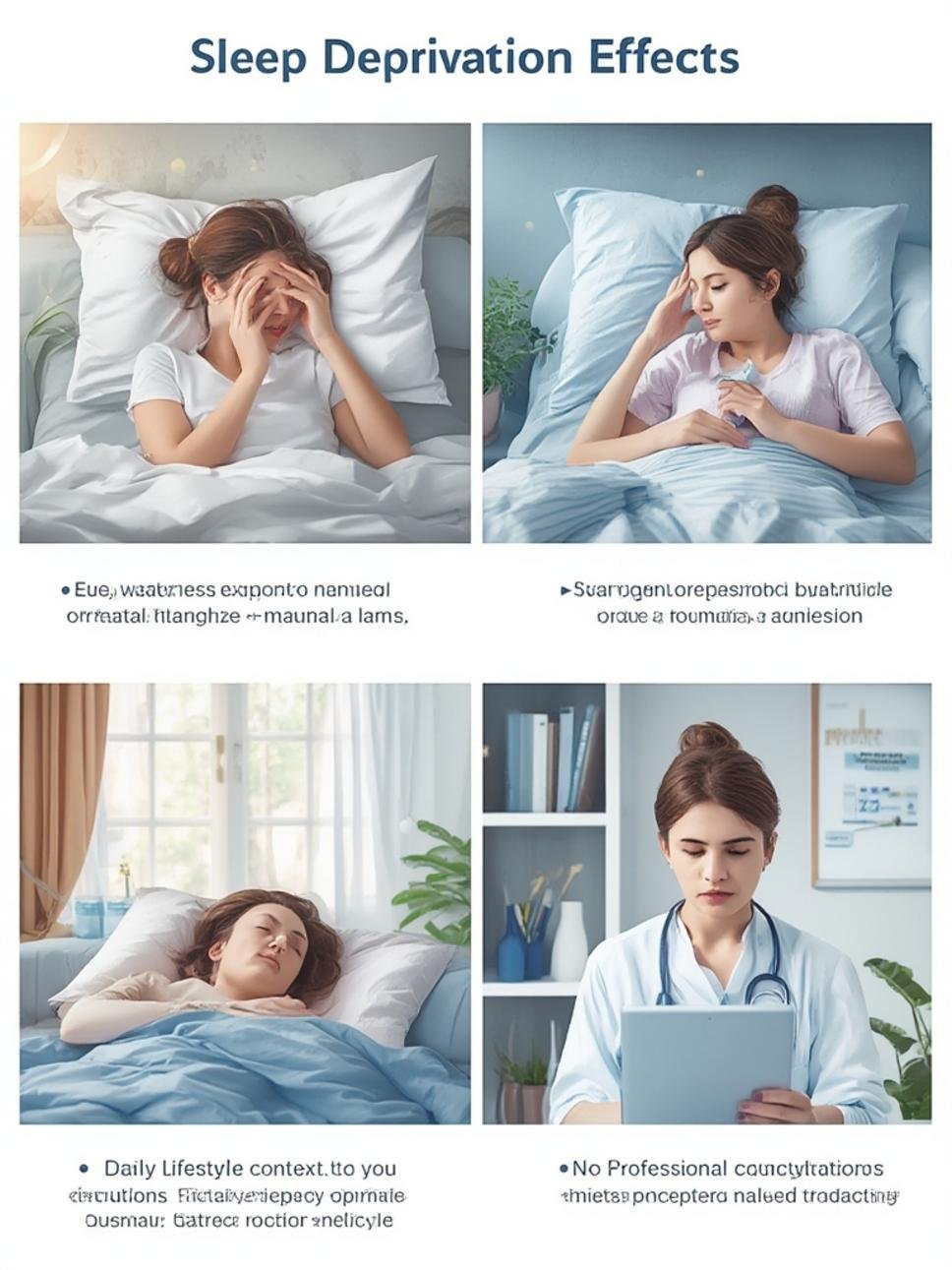
When to Seek Professional Advice
While many instances of poor sleep can be improved by adopting better sleep hygiene and lifestyle adjustments, there are circumstances when sleep deprivation warrants professional medical attention. Recognizing these situations is crucial for obtaining an accurate diagnosis and appropriate treatment, as persistent sleep issues can signify underlying health problems.
If you consistently experience significant difficulty falling asleep or staying asleep, or if you frequently wake up feeling unrefreshed despite dedicating enough time to sleep, it’s advisable to consult a healthcare provider. Symptoms such as loud snoring, gasping for air during sleep, or observed pauses in breathing could indicate sleep apnea, a serious condition requiring medical intervention. Uncontrollable daytime sleepiness, even after what seems like adequate rest, along with sudden muscle weakness triggered by strong emotions, might point to narcolepsy. Persistent leg discomfort or an irresistible urge to move your legs at night, known as restless legs syndrome, can also severely impact sleep and often responds to specific treatments.
Furthermore, if sleep problems are accompanied by severe mood disturbances, such as prolonged feelings of sadness, anxiety, irritability, or significant changes in appetite or energy levels, it’s important to discuss these with a doctor. These could be symptoms of depression, anxiety disorders, or other mental health conditions that disrupt sleep. A healthcare professional can assess your overall health, review your sleep patterns, and determine if an underlying medical condition or sleep disorder is contributing to your sleep deprivation. They may recommend further investigations, such as a sleep study, or refer you to a sleep specialist for comprehensive evaluation and management. Remember, seeking professional guidance for chronic sleep issues is a proactive step towards safeguarding your overall health and well-being.

FAQ Section
Q1: How much sleep do adults typically need?
A1: Most adults require between 7 to 9 hours of sleep per night for optimal health and cognitive function, though individual needs can vary slightly.
Q2: Can I “catch up” on lost sleep during the weekend?
A2: While getting extra sleep on weekends can offer some temporary relief, it does not fully compensate for chronic sleep deprivation and cannot erase accumulated “sleep debt.” Consistent sleep is more beneficial.
Q3: Is it normal to wake up frequently during the night?
A3: Occasional brief awakenings are normal, but if you consistently wake up multiple times, struggle to fall back asleep, or feel unrefreshed in the morning, it could indicate an underlying sleep issue that warrants medical attention.
Q4: What are some immediate signs of sleep deprivation?
A4: Immediate signs include excessive daytime sleepiness, difficulty concentrating, irritability, slower reaction times, impaired memory, and increased errors in daily tasks.
Q5: How does sleep deprivation affect my immune system?
A5: Sleep deprivation weakens the immune system by reducing the production of protective cytokines and impairing the body’s ability to fight off infections, making you more susceptible to illnesses and prolonging recovery.
Key Takeaways
- Pervasive Impact: Sleep deprivation profoundly affects nearly every system in the body and brain, extending far beyond simple tiredness.
- Cognitive Decline: Insufficient sleep severely impairs mental focus, memory consolidation, decision-making, and emotional regulation, increasing the risk of accidents.
- Physical Health Risks: Chronic lack of sleep compromises the immune system, disrupts hormonal balance, strains cardiovascular health, heightens pain perception, and negatively impacts metabolic and digestive health.
- Long-Term Disease Link: Persistent sleep deprivation is a significant risk factor for chronic conditions such as type 2 diabetes, obesity, heart disease, and may contribute to neurodegenerative conditions.
- Prioritize Sleep: Adopting healthy sleep hygiene practices, including a consistent schedule, an optimized sleep environment, and effective stress management, is crucial for protecting overall health and enhancing quality of life.
Conclusion
The profound and multifaceted effects of sleep deprivation on our brain and body underscore a clear, undeniable truth: sleep is not a luxury, but a fundamental biological necessity. It is the cornerstone upon which mental acuity, emotional resilience, physical health, and long-term well-being are built. Consistently sacrificing precious hours of sleep to the demands of modern life or neglecting the quality of our rest is akin to eroding the very foundations of our health. By understanding the intricate ways insufficient sleep undermines us, we are empowered to make informed choices that prioritize this vital restorative process. Embracing healthy sleep habits is one of the most impactful investments we can make in our current vitality and future health, safeguarding not just our physical form, but the clarity of our minds and the richness of our lives. If you suspect sleep issues are impacting your health, engaging with trusted health resources and professionals can provide tailored insights and support.