Spider Plant Care: Easy Growing & Propagation Tips
Introduction
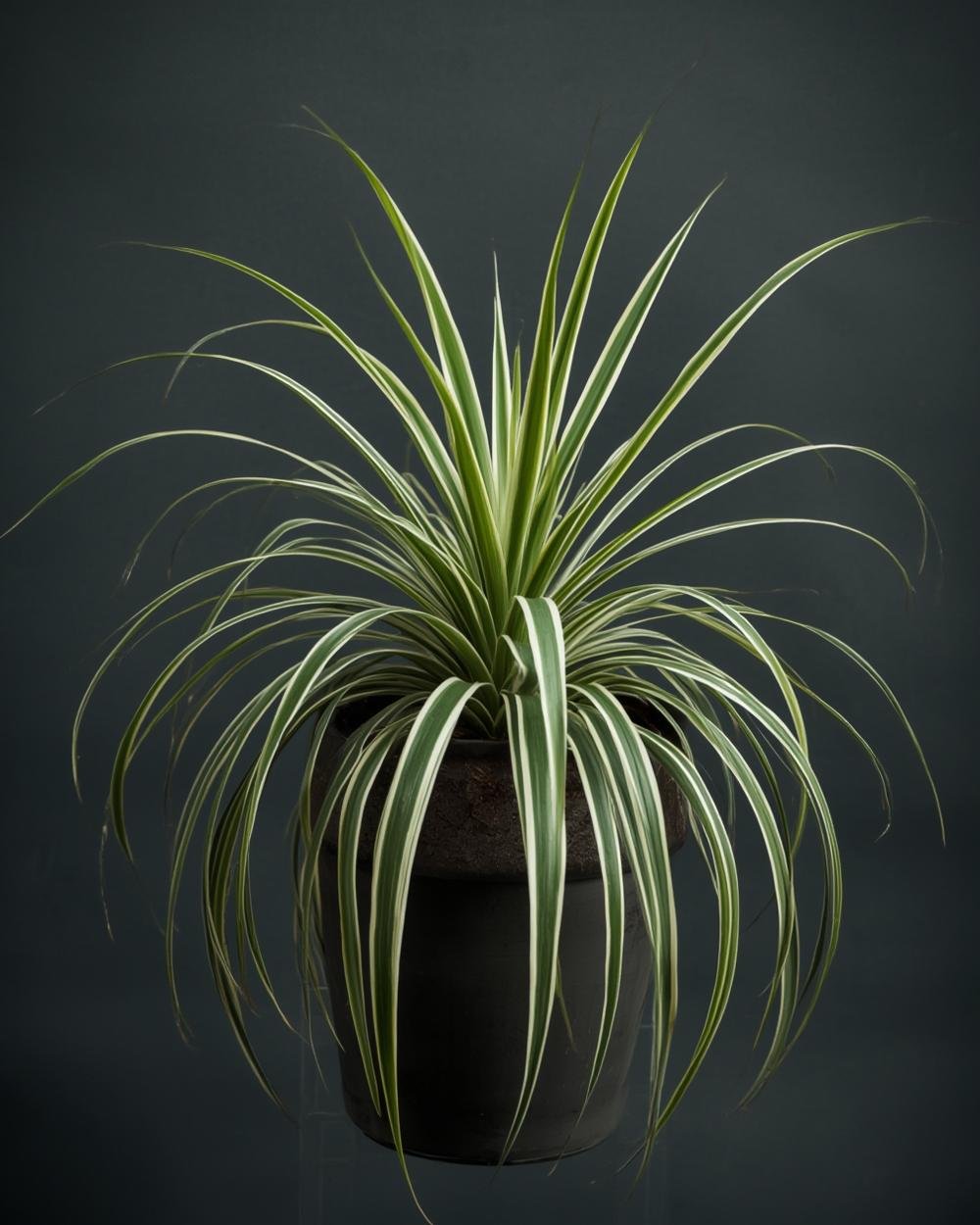
Looking to add a touch of greenery to your home without the hassle of high-maintenance care? Enter the spider plant (Chlorophytum comosum). This resilient houseplant thrives in various conditions, purifies indoor air, and delights with its arching green-and-white striped foliage. But what truly sets it apart is its effortless reproduction process. Through simple spider plant propagation, you can multiply your collection or share pups with fellow plant lovers. Below, we’ll walk you through everything you need to know to grow and expand your spider plant family.
—
Step-by-Step Instructions
1. Identify Healthy Spiderettes: Mature spider plants develop small plantlets (or “pups”) on long stems. Wait until these pups grow 2–3 inches and develop tiny roots.
2. Snip and Prepare: Cut the pup from the stem using sterilized scissors. Place it in a jar of room-temperature water, submerging only the base.
3. Root Development: Change the water every 3–4 days. Within 10–14 days, roots will lengthen to 1–2 inches—now it’s ready for soil.
4. Planting: Use a well-draining potting mix and a small container. Nestle the pup’s roots into the soil, water lightly, and place it in bright, indirect light.
For more advanced techniques, the Royal Horticultural Society’s guide to spider plant propagation offers deeper insights into soil mixes and troubleshooting.
—
Tips for Success
– Light & Water: Spider plants tolerate low light but thrive in medium indirect sunlight. Water when the top inch of soil is dry—overwatering invites root rot.
– Fertilization: Feed monthly during spring/summer with balanced liquid fertilizer diluted to half strength.
– Temperature: Keep them in 65–75°F (18–24°C) for optimal growth.
—
Alternative Methods
1. Direct Soil Planting: Skip water propagation by planting pups directly into moist soil. Cover them with a plastic bag for a week to boost humidity.
2. Division: For crowded mature plants, gently separate root clumps during repotting. Each division should retain healthy roots and leaves.
3. Seed Propagation: Though rare, spider plants produce seeds after blooming. Sow them in seed-starting mix and keep consistently moist.
—
Conclusion
The spider plant isn’t just a timeless favorite—it’s a gateway to cultivating confidence as a plant parent. Thanks to straightforward spider plant propagation, you can turn one plant into an indoor jungle or gift starters to friends. By following these tips and techniques, you’ll create a sustainable cycle of growth that rewards you with lush, air-purifying beauty year-round.