Aloe Vera Plant Care: Watering, Light & Uses
Introduction
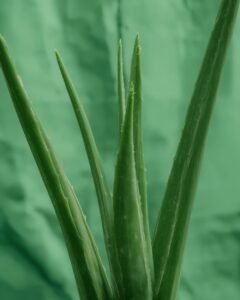
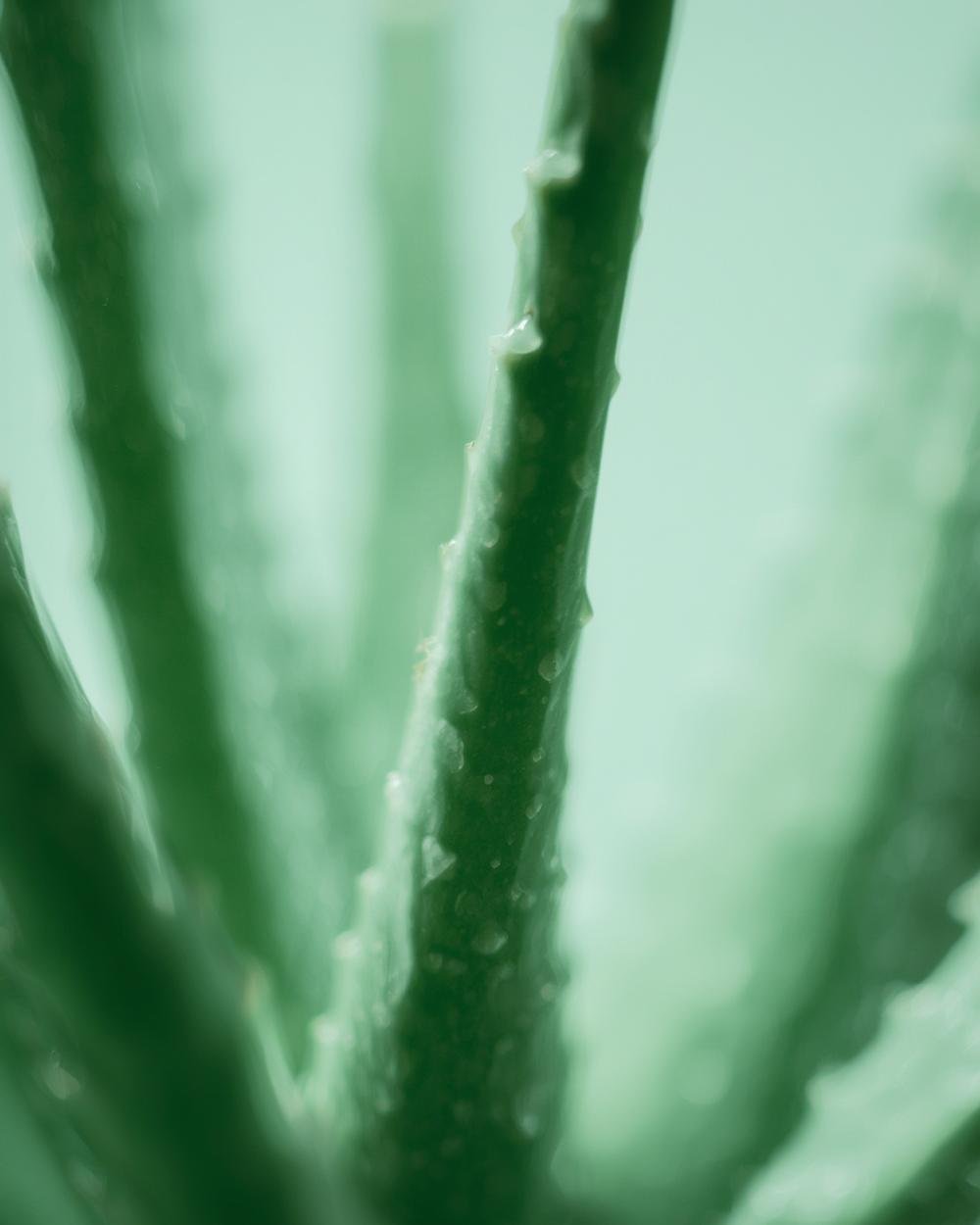
Welcome to the world of Aloe barbadensis miller – better known as the aloe vera plant! This succulent has been cherished for centuries as a versatile healer, skincare staple, and air-purifying houseplant. Whether you’re treating a sunburn, crafting a DIY face mask, or simply adding greenery to your space, aloe vera’s thick, gel-filled leaves deliver unmatched benefits. But to unlock its full potential, understanding proper aloe vera plant care is essential. In this guide, you’ll learn how to nurture this resilient plant and harness its goodness—no green thumb required!
—
Step-by-Step Instructions
1. Choose the Right Pot and Soil
Start with a terracotta or clay pot with drainage holes to prevent root rot. Aloe vera thrives in well-draining cactus or succulent soil mixed with perlite or sand. Avoid dense, moisture-heavy potting mixes.
2. Planting Your Aloe Vera
Gently place your plant in the pot, ensuring the roots are spread evenly. Cover them with soil, but leave the base of the leaves above the surface to avoid rot. Water lightly after planting—just enough to dampen the soil.
3. Sunlight and Placement
Position your aloe vera in bright, indirect sunlight (e.g., near a south-facing window). Too much direct sun can scorch the leaves, while too little light causes leggy growth.
4. Watering Wisely
Overwatering is the fastest way to kill an aloe plant. Let the soil dry completely between waterings—usually every 2–3 weeks. In winter, reduce watering to monthly.
5. Harvesting Gel Safely
To use the gel, cut a mature outer leaf near the base. Slice it lengthwise and scoop out the clear gel. Apply it topically for burns or irritations. Always prioritize gentle aloe vera plant care when harvesting to avoid stressing the plant.
—
Tips for a Thriving Aloe Vera
– Leaf Health Check: Firm, plump leaves mean your plant is happy. Soft or brown leaves? Adjust watering or sunlight.
– Fertilize Sparingly: Feed with diluted succulent fertilizer once in spring and summer—skip winter.
– Repotting: Upgrade pots every 2–3 years or when roots outgrow the container.
—
Alternative Methods for Growing Aloe Vera
1. Propagation from Pups
Healthy aloe vera plants produce “pups” (baby plants). Separate these from the mother plant with a clean knife and repot them.
2. Water Therapy for Root Recovery
If your plant has root rot, trim damaged roots and suspend it over water (without submerging) to regrow healthy roots.
3. Hydroponic Growth
Try growing aloe in a non-soil medium like LECA clay balls. This reduces overwatering risks and boosts air circulation.
—
Conclusion
Mastering aloe vera plant care doesn’t just keep your succulent alive—it ensures a steady supply of its soothing, medicinal gel for your home apothecary. By following these steps, your aloe vera will reward you with vigorous growth and endless benefits. Remember: patience and consistency are key. Now go forth and let this ancient healing plant work its magic!
→ Pro Tip: For more plant care hacks, bookmark the linked resources above! 🌱✨