Spider Plant Care: Easy Growing & Propagation Tips
Introduction
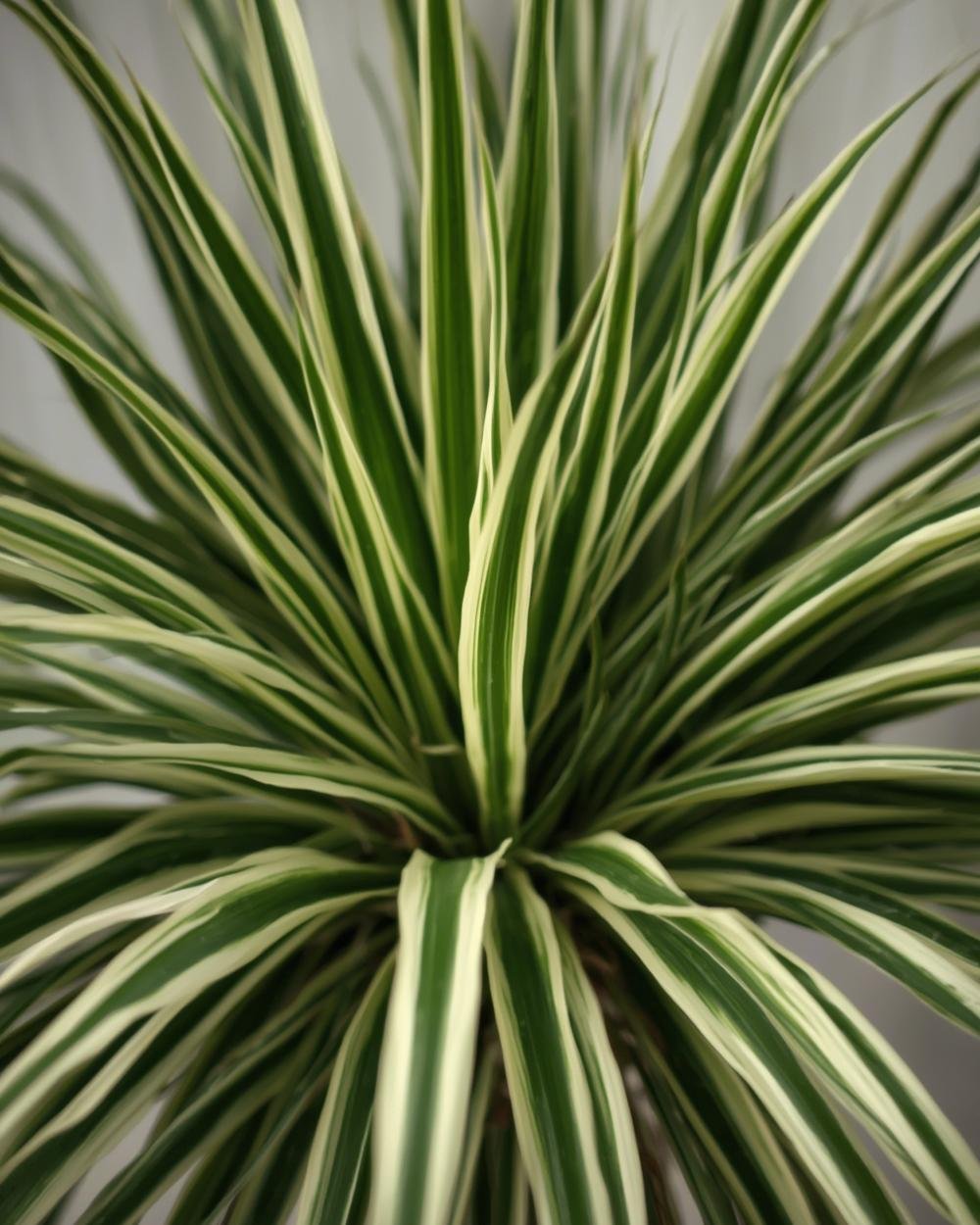
Looking for the perfect beginner-friendly houseplant that brings life to your space with minimal effort? Meet the spider plant (Chlorophytum comosum)! With its arching green-and-white striped leaves and air-purifying qualities, this resilient plant thrives in diverse indoor conditions. But its real superpower lies in spider plant propagation—a simple, rewarding process that lets you grow new plants from “spiderettes” (baby offshoots). In this guide, you’ll learn how to care for and multiply your spider plant collection like a pro.
—
Step-by-Step Instructions
1. Prepare Your Tools: Gather sharp scissors, a clean jar or pot, well-draining potting mix, and water.
2. Identify Healthy Spiderettes: Look for mature spider plant offshoots (4–5 inches long) with tiny roots forming at their base.
3. Separate the Spiderette: Snip it from the parent plant, keeping roots intact.
4. Rooting Options:
– Water Method: Place the spiderette in a jar of water, submerging only the roots. Change water weekly.
– Soil Method: Plant directly into moist soil, pressing gently to secure the roots.
5. Light and Water: Position in bright, indirect light. Keep soil lightly moist (or maintain water level for hydroponic propagation).
6. Monitor Growth: Roots will strengthen in 2–4 weeks. Once established, repot into a larger container.
This method ensures effortless spider plant propagation while preserving the health of your original spider plant.
—
Tips for Success
– 🌞 Light: Avoid direct sun, which can scorch leaves; opt for indirect light.
– 💧 Watering: Use filtered or distilled water to prevent brown leaf tips.
– ✂️ Pruning: Trim dead leaves to encourage new growth.
– 🌱 Fertilizing: Apply diluted liquid fertilizer monthly during spring/summer.
– 🏺 Pot Choice: Use pots with drainage holes to prevent root rot.
—
Alternative Methods
– Division: Split a mature spider plant at the roots during repotting for instant clones.
– Water Propagation: Skip soil and grow spiderettes in water indefinitely for a striking display.
– Temporary “Hanging” Propagation: Leave spiderettes attached to the parent plant but set in small soil-filled pots until rooted.
—
Conclusion
The spider plant isn’t just a décor staple—it’s a gateway to endless greenery through easy propagation. By mastering spider plant propagation, you’ll create lush, thriving plants to keep or share. Whether you’re a seasoned gardener or a first-time plant parent, embrace the joy of multiplying these graceful wonders. Start snipping, planting, and watching your indoor jungle grow! 🌿✨