Peace Lily Plant Care: Light, Water & Growth Tips
Introduction
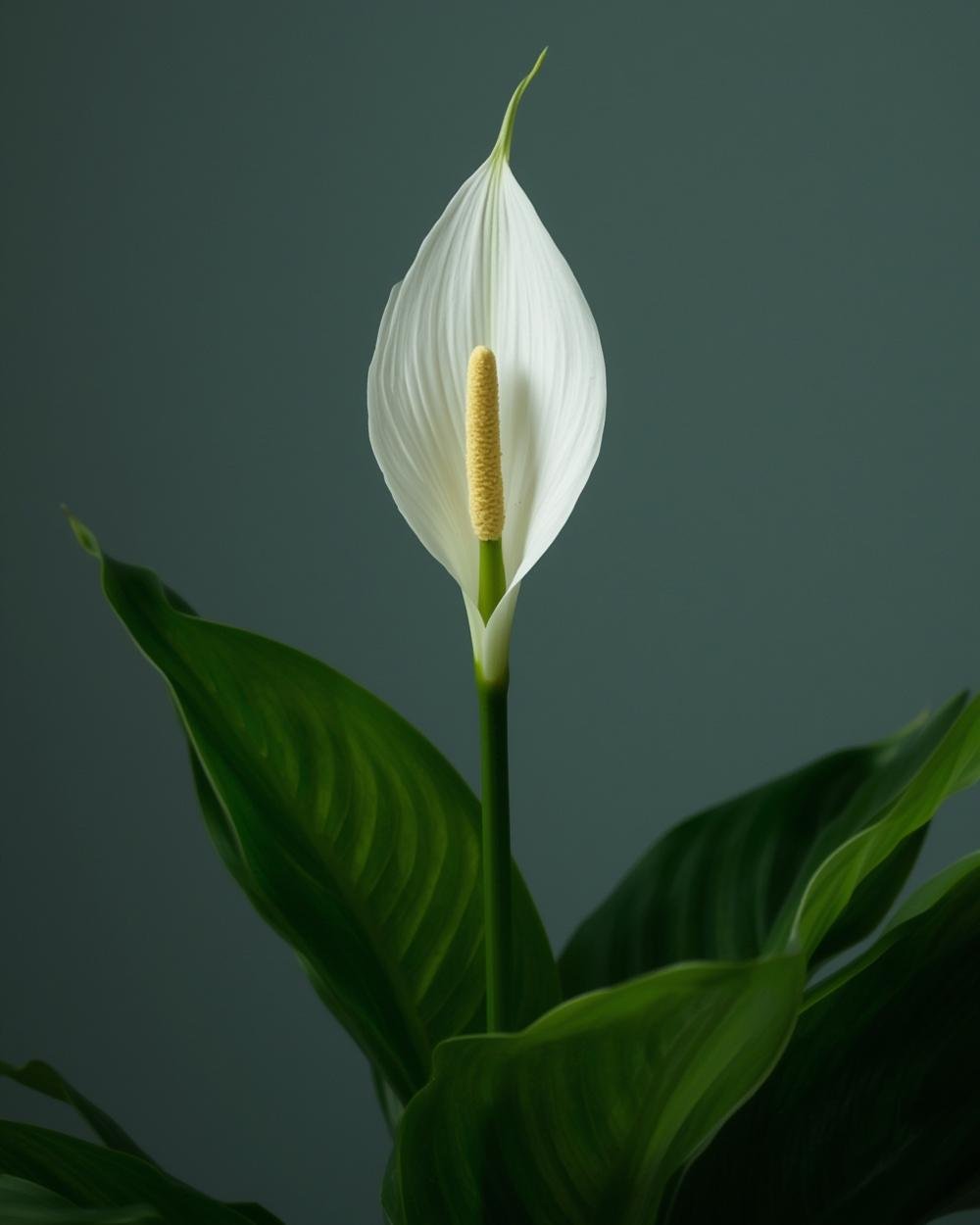
Bringing nature indoors has never been easier—or more rewarding—than with the beloved peace lily plant. Known for its elegant white blooms and air-purifying qualities, this tropical beauty thrives in homes and offices alike. But to keep it lush and healthy, understanding peace lily care indoors is essential. Whether you’re a seasoned plant parent or a newbie, this guide will equip you with practical steps, expert tips, and creative solutions to nurture your peace lily into a vibrant centerpiece.
—
Step-by-Step Instructions
1. Light Requirements: Peace lilies flourish in bright, indirect light but tolerate low-light conditions better than most plants. Avoid direct sunlight, which can scorch their leaves. East or north-facing windows are ideal.
2. Watering Routine: Keep the soil consistently moist but never soggy. Water when the top inch feels dry, typically once a week. Browning leaf tips often signal overwatering or chlorine sensitivity—use filtered or distilled water if possible.
3. Humidity & Temperature: Aim for 40-60% humidity, mimicking their tropical origins. Mist leaves weekly or place the pot on a tray of pebbles and water. Maintain temperatures between 65–80°F (18–27°C), avoiding cold drafts or sudden temperature drops.
4. Feeding Schedule: Fertilize monthly in spring and summer with a balanced, water-soluble houseplant fertilizer diluted to half strength. Skip feeding in fall and winter when growth slows.
5. Pruning & Cleaning: Remove yellow or dead leaves at the base to redirect energy. Wipe dust off leaves monthly with a damp cloth to help the peace lily plant photosynthesize efficiently.
6. Repotting: Repot every 1–2 years in spring if roots become crowded. Use a well-draining mix (like peat moss and perlite) and a pot only 1–2 inches larger to prevent overwatering issues.
—
Tips
– Bloom Booster: If your peace lily isn’t flowering, it may need more indirect light or fertilizer.
– Pet Safety: While non-lethal, peace lilies can irritate pets’ mouths—place them out of reach.
– Leaf Language: Drooping means thirst, yellow leaves suggest overfeeding/watering, and brown tips hint at low humidity or chemical-laden water.
—
Alternative Methods
– Self-Watering Pots: Ideal for busy plant owners, these containers reduce guesswork.
– Hydroculture: Grow your peace lily care indoors in water alone by placing cuttings in a vase with liquid fertilizer.
– Grouping Plants: Cluster peace lilies with other humidity-loving plants (e.g., ferns or pothos) to create a microclimate.
—
Conclusion
With its forgiving nature and striking appearance, the peace lily plant is a must-have for any indoor garden. By mastering these fundamentals—from lighting tricks to tailored watering—you’ll unlock years of beauty and cleaner air. Ready to dive deeper? Explore our resources on peace lily care indoors to refine your approach and troubleshoot challenges like a pro. Happy growing! 🌿✨