Sleep Deprivation Effects on Brain and Body

Sleep Deprivation Effects on Brain and Body
The Profound Ripple: How Sleep Deprivation Echoes Through Your Brain and Body
Meta Description: Explore the extensive impact of sleep deprivation on mental clarity, immune resilience, hormonal balance, and long-term health, understanding its profound implications for overall well-being.
—
Life in the modern world often feels like a relentless marathon, pushing many to sacrifice precious hours of sleep in pursuit of productivity, entertainment, or simply keeping pace. Yet, beneath the surface of our waking lives, a profound and complex interplay occurs within our physiology, dictated heavily by the quality and quantity of our rest. Ignoring the body’s fundamental need for adequate sleep is not merely about feeling tired; it initiates a cascading series of effects that touch every system, from the most intricate neural networks in our brain to the farthest reaches of our immune and endocrine functions. Understanding these far-reaching consequences is the first crucial step toward recognizing the invaluable role sleep plays in maintaining not just our daily performance, but our enduring health and vitality.
The Unseen Cost of Lost Sleep: A Holistic View
Sleep is far more than a period of inactivity; it is an active, essential biological process during which our bodies and minds undertake critical restorative tasks. When we consistently shortchange ourselves on sleep, we accrue what is often referred to as a “sleep debt,” and this debt comes with a significant interest rate. The initial symptoms might feel manageable – a slight dip in concentration, a persistent sense of sluggishness, or an increased reliance on caffeine. However, these are merely the surface ripples of a much deeper disturbance.
Over time, insufficient sleep begins to erode our cognitive capabilities, compromises our immune defenses, throws our delicate hormonal systems out of balance, and significantly elevates the risk for a host of chronic health conditions. It subtly, yet powerfully, reshapes our physical and mental landscapes, impacting everything from our capacity to learn and adapt to our susceptibility to illness and our emotional resilience. Recognizing this pervasive influence allows us to appreciate sleep not as a luxury, but as a foundational pillar of health, as vital as nutrition and physical activity.
Understanding the Sleep Cycle: More Than Just Rest
To truly grasp the impact of sleep deprivation, it’s helpful to understand the intricate dance of our sleep cycle. Sleep isn’t a monolithic state; it’s a dynamic process composed of distinct stages that cycle throughout the night, each playing a unique role in our restoration. These stages are broadly categorized into Non-Rapid Eye Movement (NREM) sleep and Rapid Eye Movement (REM) sleep.
NREM sleep is further divided into three stages. Stage 1 is the lightest sleep, a transitional phase where we drift in and out of consciousness. Stage 2 is a deeper sleep where our heart rate and breathing slow, and body temperature drops, preparing us for the deepest stages. Stages 3 and 4, often combined into “deep sleep” or “slow-wave sleep,” are crucial for physical repair, cellular regeneration, and the release of growth hormone. During deep sleep, our bodies repair muscles and tissues, bolster the immune system, and consolidate memories.
REM sleep, characterized by rapid eye movements, increased brain activity resembling wakefulness, and vivid dreaming, is primarily involved in emotional processing, learning, and memory consolidation. It’s during REM sleep that our brains process information from the day, integrate new experiences, and stabilize neural connections. A typical night involves cycling through these stages multiple times, with each cycle lasting approximately 90-110 minutes. Disrupting this cycle through insufficient sleep means we miss out on vital restorative processes, leaving our brains and bodies incomplete in their nightly maintenance.
Early Signs and Symptoms
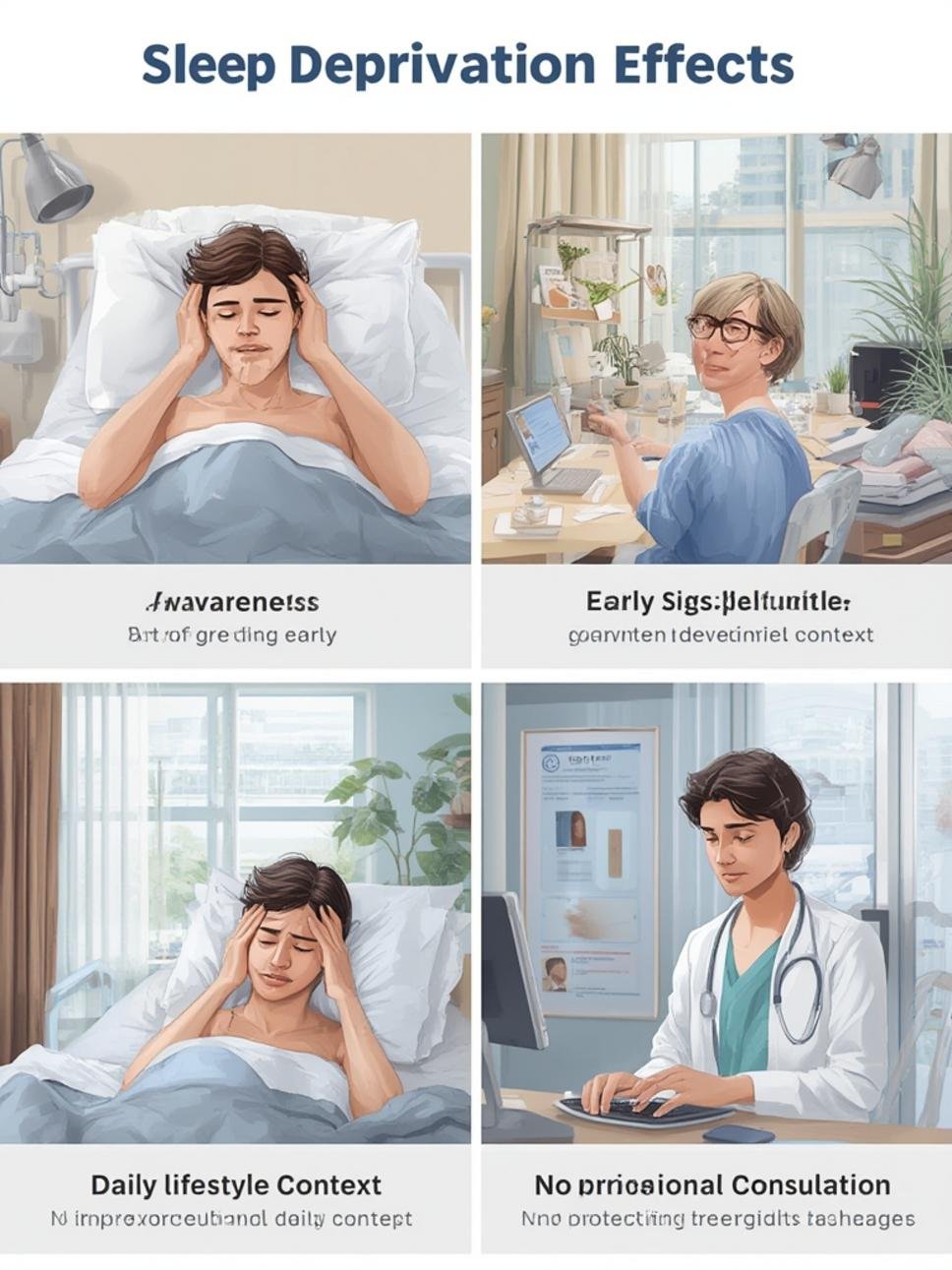
The human body is remarkably resilient, often signaling its distress in subtle ways before more severe issues manifest. Recognizing the early signs of sleep deprivation can be crucial for intervention and preventing a deeper decline in health. One of the most common and immediate indicators is persistent daytime fatigue, a feeling of being constantly drained even after what seems like a full night’s rest. This isn’t just a physical tiredness; it often comes with a mental fog that makes simple tasks feel arduous.
Irritability and mood swings are also prominent early signs. When the brain is starved of sleep, its ability to regulate emotions diminishes, leading to heightened reactions to minor stressors and difficulty managing frustration. This can strain personal relationships and professional interactions. Difficulty concentrating and paying attention, often manifested as making careless mistakes or feeling easily distracted, is another tell-tale sign that cognitive functions are being compromised. You might find yourself re-reading sentences, forgetting appointments, or struggling to follow complex conversations.
Other physical indicators include increased appetite and cravings for unhealthy foods, as sleep disruption can affect hormones regulating hunger and satiety. Frequent yawning, heavy eyelids, and a general lack of motivation or enthusiasm for activities you once enjoyed are also common. Furthermore, a weakened immune response, leading to more frequent colds or longer recovery times from minor illnesses, can signal that sleep deprivation is beginning to take its toll on the body’s defenses. These early warnings serve as important cues from your body, urging you to prioritize restorative rest before the effects become more entrenched and challenging to reverse.
The Brain Under Siege: Cognitive and Mental Impacts
The brain, an incredibly complex organ, is profoundly reliant on adequate sleep for its optimal functioning. When sleep is consistently cut short, the brain’s delicate balance is disturbed, leading to a cascade of cognitive and mental impairments that can significantly affect daily life.
#### Focus and Concentration Impairment
One of the most immediate and noticeable effects of sleep deprivation is a sharp decline in the ability to focus and concentrate. The prefrontal cortex, the brain region responsible for executive functions like attention, planning, and decision-making, becomes significantly impaired. This manifests as difficulty sustaining attention on tasks, easily getting distracted, and a general feeling of mental sluggishness. Complex assignments become harder to tackle, and even simple tasks may take longer to complete due to a reduced capacity for sustained mental effort. This impaired focus can impact everything from driving safety to workplace productivity.
#### Memory Consolidation Issues
Sleep, particularly deep NREM and REM stages, is crucial for memory consolidation. During these phases, the brain actively processes and transfers information from short-term to long-term memory. When sleep is insufficient, this vital process is disrupted. Individuals may find themselves struggling to recall newly learned information, remembering recent events less clearly, or even having difficulty retaining basic facts. Students, for instance, often find that pulling an all-nighter before an exam is counterproductive, as the lack of sleep prevents their brains from solidifying the material they’ve studied.
#### Decision-Making and Problem-Solving
The ability to make sound decisions and effectively solve problems hinges on clear thinking and the capacity to weigh various factors. Sleep deprivation compromises these abilities by impairing logical reasoning, critical thinking, and impulse control. Fatigued individuals may become more prone to risky behaviors, make poor judgments, or struggle to find creative solutions to challenges. The brain’s capacity to assess consequences and anticipate outcomes is dulled, leading to decisions that might be regretted later. This impact is particularly concerning in professions requiring high-stakes decision-making.
#### Emotional Regulation and Mood Swings
The brain areas responsible for emotional regulation, such as the amygdala and prefrontal cortex, are highly susceptible to sleep deprivation. Without adequate rest, the amygdala, which processes emotions like fear and anxiety, becomes overactive, while its connection to the calming influence of the prefrontal cortex weakens. This imbalance can lead to increased irritability, heightened emotional reactivity, and difficulty managing stress. Minor frustrations can escalate into significant outbursts, and individuals may experience rapid shifts in mood, feeling anxious one moment and sad the next, without clear external triggers.
#### Mental Health Implications
Chronic sleep deprivation is not just a symptom of mental health issues; it can also be a contributing factor or exacerbate existing conditions. There’s a strong bidirectional relationship between sleep and mental well-being. Prolonged lack of sleep significantly increases the risk of developing mood disorders such as depression and anxiety. It can intensify feelings of hopelessness, reduce motivation, and lead to social withdrawal. For those already managing mental health conditions, insufficient sleep can worsen symptoms, trigger relapses, and undermine the effectiveness of treatment. The brain requires sleep to process emotions, regulate neurotransmitters, and maintain neural plasticity, all of which are vital for robust mental health.
The Body’s Defense System: Immune Function
Beyond the cognitive realm, sleep plays an indispensable role in maintaining a robust immune system. Think of sleep as the time when your body’s defense forces regroup, rearm, and strategize for upcoming battles. When this vital downtime is cut short, your immune system’s ability to protect you from invaders is significantly compromised, leaving you vulnerable.
#### Reduced Antibody Production
Antibodies are specialized proteins produced by the immune system to identify and neutralize foreign invaders like bacteria and viruses. Studies have consistently shown that sleep deprivation can significantly diminish the body’s ability to produce these crucial defenders. For instance, individuals vaccinated against the flu or hepatitis B who are sleep-deprived tend to produce fewer antibodies compared to those who get adequate rest, making the vaccine less effective. This reduced immunological memory means that even if you’re exposed to a pathogen, your body might not mount a strong enough defense to prevent illness or accelerate recovery.
#### Increased Inflammation
Chronic inflammation is a silent enemy, contributing to a host of diseases from heart disease to diabetes and certain cancers. Sleep deprivation is a known contributor to increased systemic inflammation. When you don’t sleep enough, your body produces higher levels of inflammatory markers, such as C-reactive protein (CRP) and various cytokines. While some inflammation is a necessary part of the immune response, chronic, low-grade inflammation can damage healthy tissues and organs over time. This sustained inflammatory state puts undue stress on the body, promoting cellular damage and accelerating various degenerative processes.
#### Vulnerability to Infections
The cumulative effect of reduced antibody production and increased inflammation is a weakened immune system that struggles to fend off everyday pathogens. Sleep-deprived individuals are more susceptible to common infections like the common cold and flu. Moreover, if they do fall ill, their recovery might be slower and more prolonged. Natural killer (NK) cells, a type of white blood cell that can directly kill virus-infected cells and tumor cells, also show reduced activity when sleep is insufficient. Essentially, sleep deprivation creates an environment where viruses and bacteria can gain a stronger foothold, making you more prone to illness and less effective at fighting it off. This heightened vulnerability isn’t just about minor ailments; it speaks to a fundamental compromise in the body’s ability to maintain health and resilience against environmental threats.
Hormonal Harmony Disrupted: A Cascade Effect
The endocrine system, a complex network of glands that produce and secrete hormones, relies heavily on a consistent sleep schedule to maintain its delicate balance. Hormones act as chemical messengers, regulating nearly every physiological process in the body, from metabolism and growth to mood and reproduction. When sleep is disturbed, this intricate hormonal harmony is thrown into disarray, leading to widespread physiological consequences.
#### Metabolic Hormones: Ghrelin and Leptin
Two key hormones that regulate appetite and satiety are ghrelin and leptin. Ghrelin, often dubbed the “hunger hormone,” signals to the brain when it’s time to eat, while leptin, the “satiety hormone,” tells the brain when you’ve had enough. Sleep deprivation profoundly impacts the balance of these hormones. Studies show that insufficient sleep leads to an increase in ghrelin levels and a decrease in leptin levels. This hormonal imbalance translates into increased feelings of hunger, particularly cravings for high-carbohydrate, calorie-dense foods, and a reduced sense of fullness after eating. The result is often an increase in caloric intake and, over time, weight gain.
#### Stress Hormones: Cortisol
Cortisol, often known as the “stress hormone,” follows a natural circadian rhythm, peaking in the morning to help us wake up and gradually declining throughout the day. Sleep deprivation disrupts this rhythm, leading to elevated cortisol levels, especially in the evening when they should be at their lowest. Chronically high cortisol can have numerous detrimental effects on the body. It can contribute to increased abdominal fat storage, suppress immune function, elevate blood sugar, and contribute to feelings of anxiety and stress. The body interprets lack of sleep as a form of stress, triggering a “fight or flight” response that keeps cortisol levels persistently high.
#### Growth Hormone
Growth hormone is essential not just for growth in children, but also for tissue repair, muscle building, and fat metabolism in adults. The majority of growth hormone is released during deep, slow-wave sleep. When sleep is consistently insufficient, the production and release of this vital hormone are significantly impaired. This can hinder the body’s ability to repair itself, build muscle mass, and metabolize fat effectively, contributing to a decline in physical performance and overall vitality.
#### Reproductive Hormones
Sleep also plays a critical role in regulating reproductive hormones in both men and women. In men, testosterone levels are primarily replenished during sleep; chronic sleep deprivation can lead to a significant reduction in testosterone, impacting libido, energy levels, muscle mass, and bone density. In women, sleep disruptions can affect the delicate balance of hormones like estrogen and progesterone, potentially impacting menstrual cycles, fertility, and even menopausal symptoms. The intricate relationship between sleep and reproductive health underscores the profound impact of rest on our fundamental biological processes.
Cardiovascular Health: A Silent Strain
The heart, a tireless muscle, works continuously to pump blood throughout our bodies. While we rest, our cardiovascular system also gets a chance to unwind and reset. However, when sleep is consistently insufficient, the heart and blood vessels are subjected to chronic stress, leading to a silent but significant strain that can have serious long-term consequences.
#### Blood Pressure Regulation
During healthy sleep, both heart rate and blood pressure naturally drop, giving the cardiovascular system a much-needed break. This nocturnal dip is crucial for maintaining overall heart health. Chronic sleep deprivation prevents this essential physiological dip, keeping blood pressure elevated for longer periods throughout the 24-hour cycle. Over time, this sustained hypertension can stiffen blood vessels, making the heart work harder to pump blood. Research has consistently linked insufficient sleep to an increased risk of high blood pressure, a primary risk factor for heart disease and stroke.
#### Increased Risk of Heart Disease
The cumulative effects of sleep deprivation – including elevated blood pressure, increased inflammation, and hormonal imbalances (like higher cortisol and altered metabolic hormones) – all contribute to a heightened risk of various cardiovascular diseases. Insufficient sleep has been associated with an increased likelihood of developing atherosclerosis (hardening of the arteries), coronary artery disease, heart attack, and stroke. It can also disrupt the autonomic nervous system, which controls involuntary bodily functions, further stressing the heart. For example, individuals routinely sleeping less than 6 hours per night have a significantly higher risk of cardiovascular events compared to those getting 7-8 hours. The consistent lack of restorative sleep places an immense burden on the entire circulatory system, gradually eroding its health and functionality.
Metabolic Health and Weight Management
Beyond the immediate impact on hunger hormones, sleep deprivation significantly influences overall metabolic health, making it harder for the body to regulate blood sugar and manage weight effectively. This intricate connection reveals how insufficient rest can set the stage for a host of metabolic disorders.
#### Insulin Sensitivity
Insulin, a hormone produced by the pancreas, is crucial for regulating blood sugar levels by helping cells absorb glucose for energy. Sleep deprivation can lead to decreased insulin sensitivity, a condition where the body’s cells don’t respond as effectively to insulin. When cells become less sensitive, the pancreas has to work overtime, producing more and more insulin to try and maintain normal blood sugar levels. This constant overexertion can eventually lead to pancreatic fatigue and a decline in insulin production. Even a few nights of insufficient sleep can significantly impair insulin sensitivity, mimicking the metabolic profile of individuals at risk for diabetes.
#### Type 2 Diabetes Risk
The chronic reduction in insulin sensitivity, coupled with the hormonal shifts discussed earlier (like increased ghrelin and cortisol), dramatically increases the risk of developing type 2 diabetes. When the body struggles to process glucose efficiently, blood sugar levels remain persistently high, causing damage to blood vessels and organs over time. Studies have shown a clear dose-response relationship between sleep duration and diabetes risk: the less sleep a person gets, the higher their likelihood of developing the condition. This link underscores that managing sleep is as crucial for preventing diabetes as diet and exercise, as it directly impacts the body’s ability to maintain glucose homeostasis. The interplay between sleep, hormones, and glucose metabolism forms a critical pathway linking insufficient rest to one of the most prevalent chronic diseases globally.
Long-Term Health Consequences: Beyond the Immediate
While the immediate effects of sleep deprivation are challenging enough, the cumulative impact over years can contribute to a spectrum of severe long-term health consequences. Consistently depriving the body of its essential rest means it cannot adequately repair, restore, and maintain itself, paving the way for chronic disease and accelerated aging.
#### Increased Risk of Chronic Diseases
Chronic sleep deprivation is not merely a risk factor; it is increasingly recognized as a significant contributor to the development and progression of numerous debilitating long-term illnesses. Beyond the aforementioned cardiovascular diseases and type 2 diabetes, insufficient sleep has been linked to an increased risk of certain types of cancer. While the exact mechanisms are still being researched, it’s believed that compromised immune function, increased inflammation, and disrupted hormone regulation play key roles. For instance, disturbances in melatonin (a hormone with antioxidant properties often released during sleep) and growth hormone could affect cellular repair and tumor suppression pathways. Conditions like obesity are also strongly correlated with chronic sleep loss due to metabolic and hormonal disruptions that drive increased appetite and fat storage.
#### Neurological Degeneration
Perhaps one of the most concerning long-term consequences of chronic sleep deprivation is its potential link to neurological degeneration and an increased risk of neurodegenerative diseases, such as Alzheimer’s and Parkinson’s disease. During deep sleep, the brain activates its glymphatic system, a waste clearance pathway that flushes out harmful metabolic byproducts, including amyloid-beta proteins. These proteins are known to accumulate in the brains of individuals with Alzheimer’s disease. When sleep is consistently inadequate, this crucial cleansing process is impaired, allowing these toxic proteins to build up, potentially contributing to neuronal damage and cognitive decline over time. While research is ongoing, the evidence suggests that sufficient sleep may play a protective role in brain health and longevity.
#### Accelerated Aging
Beyond specific disease risks, chronic sleep deprivation appears to accelerate the overall aging process at a cellular level. Telomeres, protective caps at the ends of our chromosomes, shorten naturally with age. However, studies indicate that inadequate sleep can accelerate this telomere shortening, suggesting faster cellular aging. Furthermore, the persistent inflammation and oxidative stress induced by sleep loss can damage DNA and cells throughout the body, contributing to premature skin aging (e.g., fine lines, wrinkles, reduced elasticity) and a general decline in physical vitality. The body’s repair mechanisms, which largely operate during sleep, are simply overwhelmed, leading to a faster breakdown of tissues and organs. In essence, sleep isn’t just about feeling younger; it’s about potentially slowing down the biological clock itself.
Lifestyle and Daily Habits
Given the profound and far-reaching effects of sleep deprivation, it becomes clear that prioritizing sleep is not a passive activity but an active commitment requiring thoughtful adjustments to our daily routines and environment. Cultivating a holistic approach to sleep hygiene can significantly improve sleep quality and quantity, buffering the body against the detrimental impacts of insufficient rest.
#### Creating an Optimal Sleep Environment
The bedroom should be a sanctuary dedicated to rest. This means ensuring it is dark, quiet, and cool. Even small amounts of light, from digital clocks to streetlights, can disrupt melatonin production. Consider blackout curtains, an eye mask, or dimming all electronic lights. Noise pollution can be mitigated with earplugs, white noise machines, or sound-absorbing furnishings. The ideal temperature for sleep is generally between 60-67 degrees Fahrenheit (15-19 degrees Celsius), as a cooler room helps facilitate the body’s natural drop in core temperature needed for sleep onset. Furthermore, ensure your mattress and pillows provide adequate support and comfort, as physical discomfort can be a significant barrier to quality sleep. (For a deeper dive into optimizing your sleep space, consider exploring our guide on creating a sleep-friendly bedroom.)
#### Dietary Choices and Hydration
What and when we eat and drink can have a substantial impact on our sleep. Avoid heavy, fatty, or spicy meals close to bedtime, as they can lead to indigestion and discomfort. Similarly, limit caffeine intake, especially in the afternoon and evening, as its stimulating effects can linger for hours. Alcohol, while it might initially induce sleepiness, fragments sleep later in the night and reduces REM sleep. Instead, opt for light, easily digestible snacks if hungry before bed, and ensure adequate hydration throughout the day, but reduce fluid intake a couple of hours before sleep to minimize nighttime bathroom trips. Certain foods, like those rich in tryptophan (e.g., turkey, nuts) or magnesium (e.g., leafy greens), may subtly support sleep-inducing processes.
#### Physical Activity
Regular physical activity is a cornerstone of good health, and it significantly contributes to better sleep. Engaging in moderate-intensity exercise, such as brisk walking, jogging, or cycling, during the day can help you fall asleep faster and experience deeper sleep. However, timing is key: vigorous exercise too close to bedtime can be counterproductive, as it raises core body temperature and stimulates the nervous system. Aim to complete your workouts at least a few hours before you plan to sleep. Even light activity like stretching or gentle yoga in the evening can help relax the body and mind without overstimulation.
#### Stress Management Techniques
Stress is a formidable antagonist to sleep. A racing mind filled with worries makes it nearly impossible to drift off. Incorporating stress-reducing practices into your daily routine can therefore be immensely beneficial. Techniques such as mindfulness meditation, deep breathing exercises, progressive muscle relaxation, or journaling can help calm the nervous system before bed. Creating a “worry time” earlier in the evening to address concerns and plan for the next day can prevent these thoughts from invading your sleep space. Engaging in relaxing hobbies, listening to calming music, or reading a physical book can also serve as effective wind-down rituals.
#### Establishing a Consistent Sleep Schedule
Perhaps the most powerful habit for improving sleep is maintaining a consistent sleep schedule. This means going to bed and waking up at roughly the same time every day, even on weekends. Consistency helps regulate your body’s natural circadian rhythm, a 24-hour internal clock that dictates sleep-wake cycles. When this rhythm is aligned, your body naturally releases sleep-inducing hormones at appropriate times, making it easier to fall asleep and wake up refreshed. While occasional deviations are inevitable, striving for regularity reinforces this internal clock, promoting more stable and restorative sleep patterns over the long term.
When to Seek Professional Advice
While many sleep issues can be addressed through lifestyle adjustments and improved sleep hygiene, there are instances when persistent sleep difficulties warrant professional medical attention. Recognizing these situations is crucial, as some underlying conditions require diagnosis and specific treatment plans. Ignoring severe or chronic sleep problems can exacerbate their effects on your brain and body, delaying necessary relief.
If you consistently experience difficulty falling asleep, staying asleep, or wake up feeling unrefreshed despite dedicating sufficient time to sleep, it’s a strong indicator that something more than poor habits might be at play. This persistent insomnia, lasting for weeks or months, often signals an underlying issue. Similarly, if you experience excessive daytime sleepiness that significantly impairs your daily functioning, such as falling asleep unintentionally during activities or having trouble staying awake, it’s important to consult a healthcare professional.
Other concerning symptoms include loud snoring accompanied by gasping or pauses in breathing during sleep (which could indicate sleep apnea), an irresistible urge to move your legs at night (Restless Legs Syndrome), or experiencing vivid hallucinations or sudden muscle weakness when falling asleep or waking up (narcolepsy). If your sleep problems are significantly impacting your mood, concentration, relationships, or work performance, or if you suspect an underlying medical condition or medication might be interfering with your sleep, it’s time to seek expert guidance. A primary care physician can offer initial assessments, and if needed, refer you to a sleep specialist who can conduct comprehensive evaluations, including sleep studies, to identify the root cause of your sleep disturbance and recommend appropriate interventions. Addressing these issues proactively can significantly improve your quality of life and mitigate the long-term health risks associated with chronic sleep deprivation.

Reclaiming Rest: Strategies for Better Sleep
Reclaiming restorative sleep is an investment in your overall health and well-being. It requires a multifaceted approach, combining awareness, consistency, and a willingness to prioritize your rest. Beyond the lifestyle habits previously discussed, there are further strategies that can aid in improving sleep quality.
Establishing a consistent bedtime routine helps signal to your body that it’s time to wind down. This could include a warm bath, reading a book (non-electronic), listening to calming music, or practicing gentle stretches. The key is to choose activities that you find relaxing and repeat them nightly to build a powerful association with sleep. Creating a buffer zone before bed, where you disengage from work, stressful discussions, and highly stimulating activities, can also significantly help in transitioning your mind from an active state to one conducive to sleep.
Managing light exposure is equally critical. Maximizing natural light exposure during the day helps regulate your circadian rhythm, signaling to your body that it’s daytime. Conversely, minimizing exposure to artificial blue light from screens (phones, tablets, computers, TVs) in the hours leading up to bedtime is paramount. Blue light suppresses melatonin production, interfering with your natural sleep cycle. Utilizing “night mode” settings or blue-light blocking glasses in the evening can be beneficial, but ideally, screen time should be limited.
It’s also important to be mindful of your bedroom environment beyond just temperature and darkness. Remove clutter, keep the space clean, and ensure it feels inviting and peaceful. For individuals struggling with occasional sleeplessness, short-term use of over-the-counter sleep aids may offer temporary relief, but these should always be used cautiously and ideally under the guidance of a healthcare professional, as they are not a long-term solution. The ultimate goal is to cultivate natural sleep patterns that are sustainable and deeply restorative. Remember, the journey to better sleep is a gradual process, but one that yields profound benefits for every aspect of your life.
FAQ Section
Q1: How much sleep do adults truly need?
A1: Most adults require between 7 to 9 hours of sleep per night for optimal health and cognitive function. Individual needs can vary slightly, but consistently sleeping less than 7 hours is generally considered insufficient.
Q2: Can I “catch up” on sleep during the weekend?
A2: While a longer sleep on weekends might offer some temporary relief, it doesn’t fully negate the negative effects of chronic sleep deprivation during the week. Consistent sleep on a regular schedule is more beneficial for maintaining circadian rhythm and overall health.
Q3: What are some immediate signs that I’m sleep deprived?
A3: Immediate signs often include difficulty concentrating, increased irritability, persistent daytime fatigue, frequent yawning, increased appetite for unhealthy foods, and reduced motivation.
Q4: Does sleep deprivation affect my weight?
A4: Yes, sleep deprivation can significantly impact weight management by disrupting hormones that regulate appetite (increasing hunger hormone ghrelin and decreasing satiety hormone leptin) and by reducing insulin sensitivity, leading to increased cravings and potential weight gain.
Q5: Is it safe to use sleeping pills for chronic sleep issues?
A5: Over-the-counter or prescription sleeping pills should be used cautiously and ideally under professional medical guidance. They are generally recommended for short-term use, as they can have side effects, lead to dependence, and do not address underlying sleep problems. Lifestyle changes and professional evaluation are preferred long-term solutions.
Key Takeaways
- Holistic Impact: Sleep deprivation profoundly affects nearly every system in the body, including cognitive function, immune response, hormonal balance, and cardiovascular health.
- Cognitive Decline: Insufficient sleep impairs focus, memory consolidation, decision-making, and emotional regulation, increasing the risk of mental health issues.
- Compromised Immunity: Lack of sleep weakens the immune system, reducing antibody production, increasing inflammation, and making the body more vulnerable to infections.
- Hormonal Imbalance: Sleep deprivation disrupts critical hormones regulating appetite (ghrelin/leptin), stress (cortisol), growth, and reproduction, leading to widespread physiological consequences.
- Long-Term Health Risks: Chronic sleep loss elevates the risk for serious conditions such as high blood pressure, heart disease, type 2 diabetes, obesity, and may even contribute to neurological degeneration and accelerated aging.
Conclusion
The profound impact of sleep deprivation on our brains and bodies underscores an undeniable truth: sleep is not a luxury we can afford to sacrifice, but a biological imperative essential for our very existence and well-being. From safeguarding our mental clarity and emotional resilience to fortifying our immune defenses and preserving long-term physical health, adequate rest serves as the cornerstone upon which a vibrant life is built. Recognizing the subtle yet powerful ways insufficient sleep can erode our vitality is the first step towards reclaiming control. By consciously integrating healthy sleep habits into our daily routines and seeking professional guidance when necessary, we empower ourselves to mitigate these risks and invest in a future of sustained health, cognitive prowess, and emotional balance. Let us collectively prioritize the restorative power of sleep, understanding that a well-rested individual is a healthier, more productive, and more resilient human being.