Peace Lily Plant Care: Light, Water & Growth Tips
Introduction
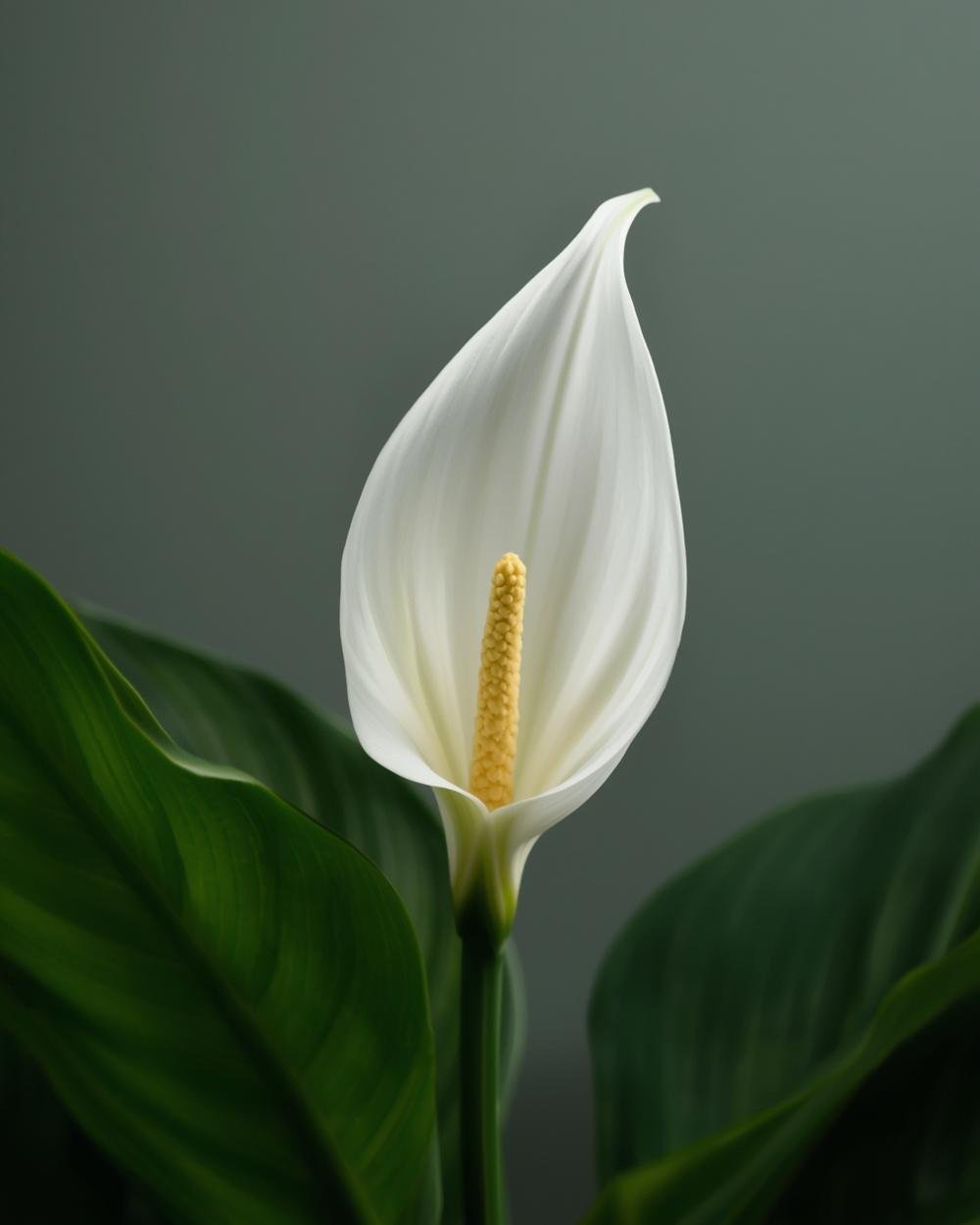
If you’re looking for a low-maintenance, visually striking plant that thrives indoors, look no further than the peace lily plant. Known for its elegant white blooms and air-purifying qualities, this tropical beauty has become a favorite among houseplant enthusiasts. But while the peace lily is forgiving, mastering peace lily care indoors ensures it not only survives but thrives in your home. In this guide, we’ll explore everything from basic care routines to creative solutions for common challenges.
—
Step-by-Step Instructions
1. Light Requirements
Peace lilies prefer bright, indirect light but tolerate low-light conditions better than most flowering plants. Avoid direct sun, which scorches leaves. If your peace lily plant stops blooming, it likely needs more filtered light.
2. Watering Routine
Keep the soil consistently moist (not soggy). Water when the top inch feels dry. Overwatering causes root rot, while underwatering leads to dramatic drooping. For precision, consider using a moisture meter.
3. Humidity & Temperature
Aim for 40-60% humidity—ideal for peace lily care indoors. Group plants together, use a humidifier, or place the pot on a pebble tray. Temperatures between 65–80°F (18–27°C) work best.
4. Feeding & Soil
Fertilize monthly in spring/summer with a balanced liquid fertilizer diluted to half strength. Use well-draining potting mix enriched with organic matter.
5. Pruning & Grooming
Trim yellow or brown leaves at the base. Wipe dust off leaves monthly to maximize photosynthesis and pest prevention.
—
Tips for Success
– Revive Drooping Plants: If your peace lily wilts, water thoroughly—it often perks up within hours.
– Boost Blooms: Reduce fertilizer in winter to encourage spring flowering.
– Pet Safety: Peace lilies are toxic to cats/dogs. Place them out of reach or opt for pet-friendly alternatives like spider plants.
– Air Purification: NASA’s Clean Air Study highlighted peace lilies for removing toxins like formaldehyde and benzene.
—
Alternative Methods
1. Hydroculture Growing
Skip soil entirely! Grow peace lilies in water with liquid nutrients. Change the water weekly to prevent algae.
2. Self-Watering Pots
Ideal for busy plant parents. These pots use a reservoir system to maintain consistent moisture levels.
3. LED Grow Lights
In dark spaces, use full-spectrum LEDs for 6–8 hours daily to supplement natural light.
4. Natural Pest Control
Combat aphids or spider mites with neem oil sprays or insecticidal soap—avoid harsh chemicals.
—
Conclusion
The peace lily plant is more than just décor; it’s a resilient companion that rewards mindful care with lush growth and serene blooms. By following these guidelines—especially the essentials of peace lily care indoors—you’ll create an environment where this plant flourishes for years. Whether you’re a novice or a seasoned green thumb, remember: patience and consistency turn challenges into thriving success.