Snake Plant Care Guide: Benefits, Watering & Light
Introduction
Looking for a houseplant that’s nearly indestructible, stylish, and packed with perks? Meet the snake plant (Sansevieria), a superstar in the indoor gardening world. Whether you’re a seasoned plant parent or just starting your green journey, this hardy succulent thrives on neglect while delivering stunning architectural appeal. But its charm isn’t just skin-deep—the snake plant benefits include air purification, stress reduction, and adaptability to almost any environment. In this guide, we’ll cover how to care for this resilient plant, maximize its advantages, and even explore creative ways to display it in your space.
Step-by-Step Instructions
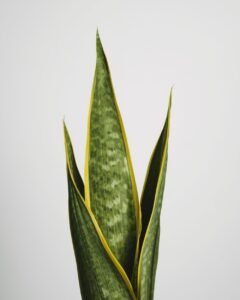
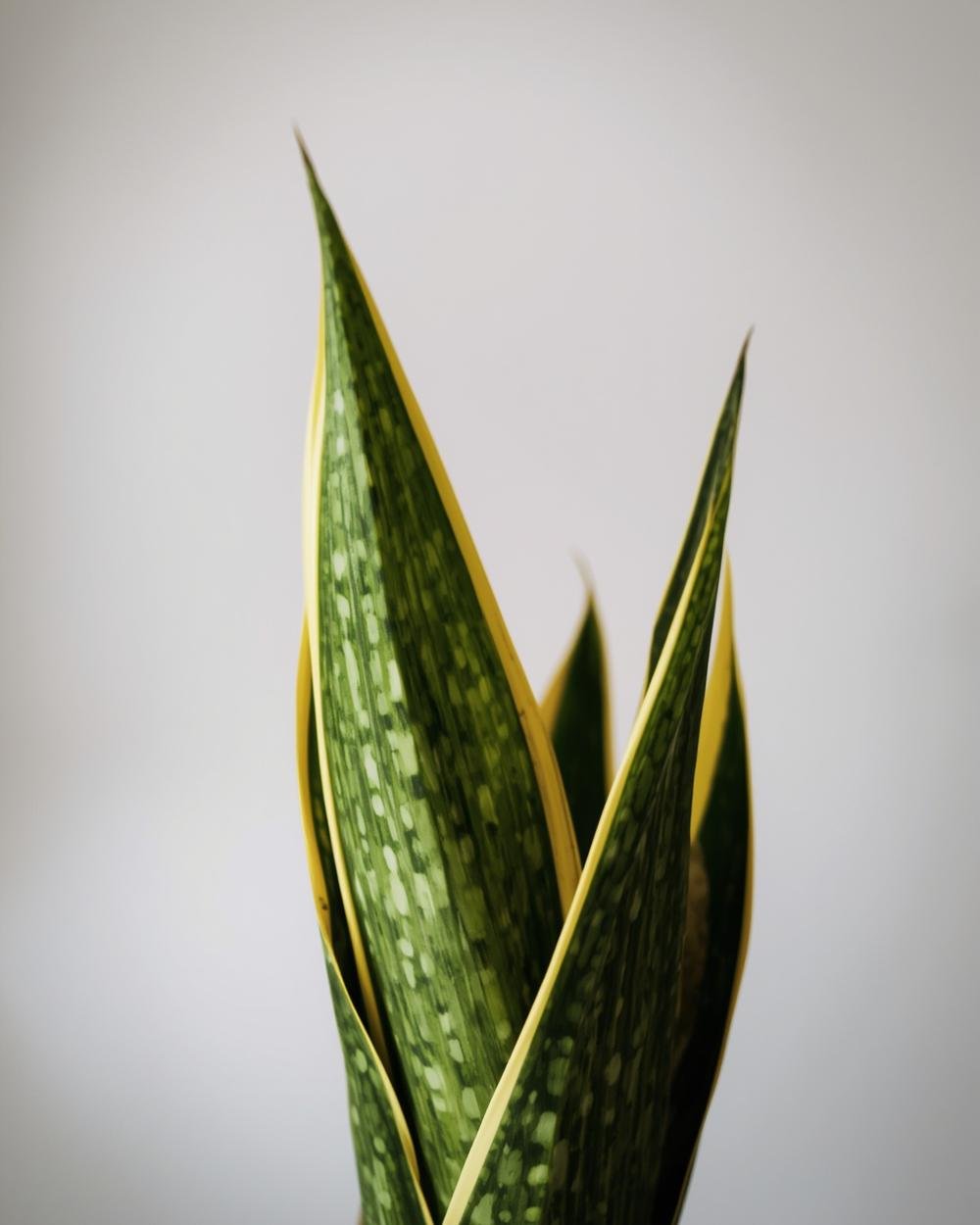
1. Choosing the Right Plant: Start with a healthy snake plant from a reputable nursery. Look for firm, upright leaves with no brown spots or soft patches. Varieties like ‘Laurentii’ (yellow-edged) or ‘Moonshine’ (silver-green) add visual interest.
2. Potting Mix & Container: Use well-draining soil (cactus/succulent mix works perfectly) and a pot with drainage holes. Snake plants hate soggy roots!
3. Light Requirements: Place your plant in bright, indirect light, though it tolerates low light. Avoid direct afternoon sun, which can scorch leaves.
4. Watering Routine: Water sparingly—every 2–3 weeks in summer and monthly in winter. Let the soil dry completely between waterings. Overwatering is the #1 killer of snake plants!
5. Leveraging snake plant benefits: Position it in bedrooms or offices to enjoy its air-purifying qualities. Studies show it filters toxins like formaldehyde and benzene.
Tips
– Rotate Occasionally: Ensure even growth by turning the pot every few months.
– Dust the Leaves: Wipe leaves gently with a damp cloth to boost photosynthesis.
– Propagate Easily: Divide root clumps during repotting or plant leaf cuttings in soil.
– Fertilize Lightly: Feed with diluted balanced fertilizer 1–2 times during the growing season (spring/summer).
Alternative Methods
If traditional potting isn’t your style, try these unique approaches:
1. Hydroponics: Grow snake plants in water using liquid nutrients (replace water monthly).
2. Terrariums: Use dwarf varieties (e.g., ‘Hahnii’) in open glass containers with gravel and charcoal for drainage.
3. Vertical Gardens: Mount snake plants on wall panels for a space-saving, modern display.
Conclusion
The snake plant is more than just a decorative accent—it’s a low-maintenance powerhouse that elevates your well-being and home aesthetics. By following the care steps above, you’ll unlock its full potential, from thriving in dim corners to purifying your air. Remember, the snake plant benefits make it a top choice for busy lifestyles and eco-conscious spaces. Whether you’re propagating pups or experimenting with hydroponics, this plant promises years of effortless beauty and health perks. Happy growing!