Snake Plant Care Guide: Benefits, Watering & Light
Introduction
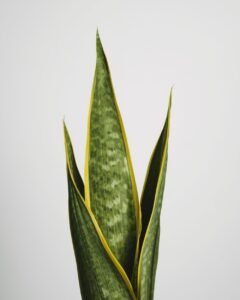
If you’re looking for a houseplant that thrives on neglect while delivering serious style and health benefits, look no further than the snake plant (Sansevieria trifasciata). This hardy, architectural beauty isn’t just a decorative statement—it’s a powerhouse for purifying indoor air and boosting well-being. Whether you’re a first-time plant owner or a seasoned green thumb, understanding how to care for this plant and leverage its renowned snake plant benefits can transform your living space into a healthier, more vibrant oasis. Let’s explore how to nurture it for maximum impact.
—
Step-by-Step Instructions
1. Choose the Right Pot and Soil
Select a container with drainage holes to prevent soggy roots. Snake plants tolerate almost any soil but prefer a well-draining mix—try cactus soil blended with perlite. Place your snake plant in a pot that’s slightly snug; they grow best when mildly root-bound.
2. Master the Watering Routine
Less is more! Water only when the top 1–2 inches of soil feel dry. Overwatering is the #1 killer of snake plants, as their succulent-like leaves store moisture. In winter, reduce watering to monthly.
3. Optimize Light Conditions
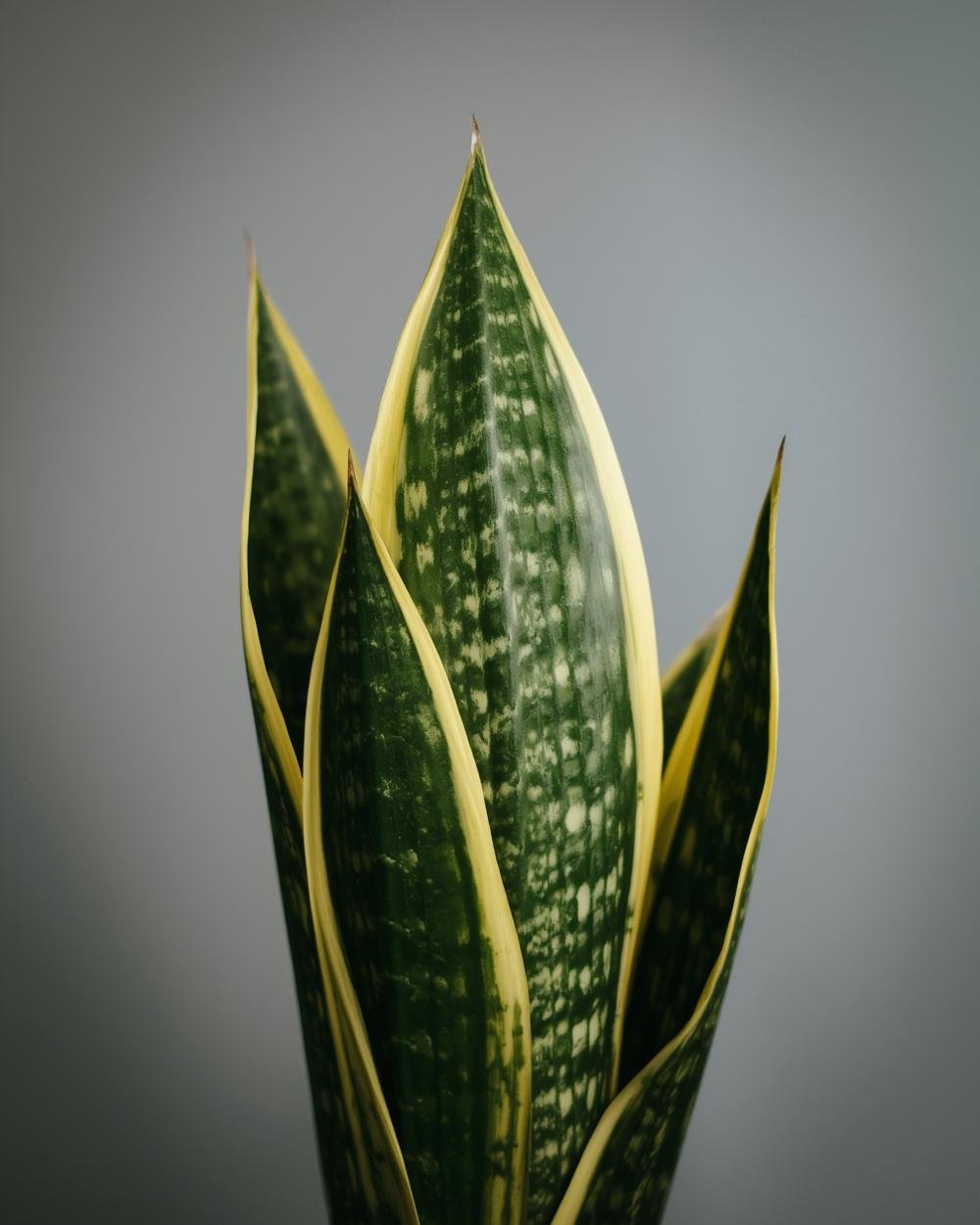
While adaptable to low light, your plant will grow faster and develop bolder patterns in bright, indirect sunlight. Avoid harsh midday sun, which can scorch leaves.
4. Fertilize Thoughtfully
Feed sparingly: a diluted balanced houseplant fertilizer once in spring and summer suffices. Skip feeding entirely in fall and winter.
5. Prune and Maintain
Remove yellow or damaged leaves at the base to redirect energy to healthy growth. Dust the leaves regularly to maximize their air-purifying efficiency and amplify those snake plant benefits.
—
Tips for Success
– Rotate Monthly: Ensure even growth by turning the pot toward light sources.
– Watch for Pests: Spider mites and mealybugs are rare but treatable with neem oil.
– Propagate Easily: Divide overcrowded plants or root leaf cuttings in water for new starters.
– Avoid Cold Drafts: Keep temperatures above 50°F (10°C)—this tropical native despises the cold!
—
Alternative Methods
If traditional potting isn’t your style, experiment with these approaches:
1. Hydroponic Growth: Grow snake plants in water with liquid nutrients. Change the water weekly to prevent algae.
2. Terrarium Style: Use a shallow, open dish with gravel and minimal soil for a desert-inspired display.
3. Grow Lights: Sustain your snake plant in windowless rooms with full-spectrum LED lights (6–8 hours daily).
—
Conclusion
The snake plant is truly the ultimate low-maintenance houseplant, offering beauty, resilience, and science-backed advantages for your home. By following these simple care steps, you’ll unlock its full potential—improving air quality, reducing stress, and adding a touch of nature’s elegance to any room. Don’t underestimate the transformative snake plant benefits; this adaptable gem proves that thriving greenery doesn’t require constant attention. Ready to start? Your future healthier, greener sanctuary awaits! 🌱