Aloe Vera Plant Care: Watering, Light & Uses
Introduction
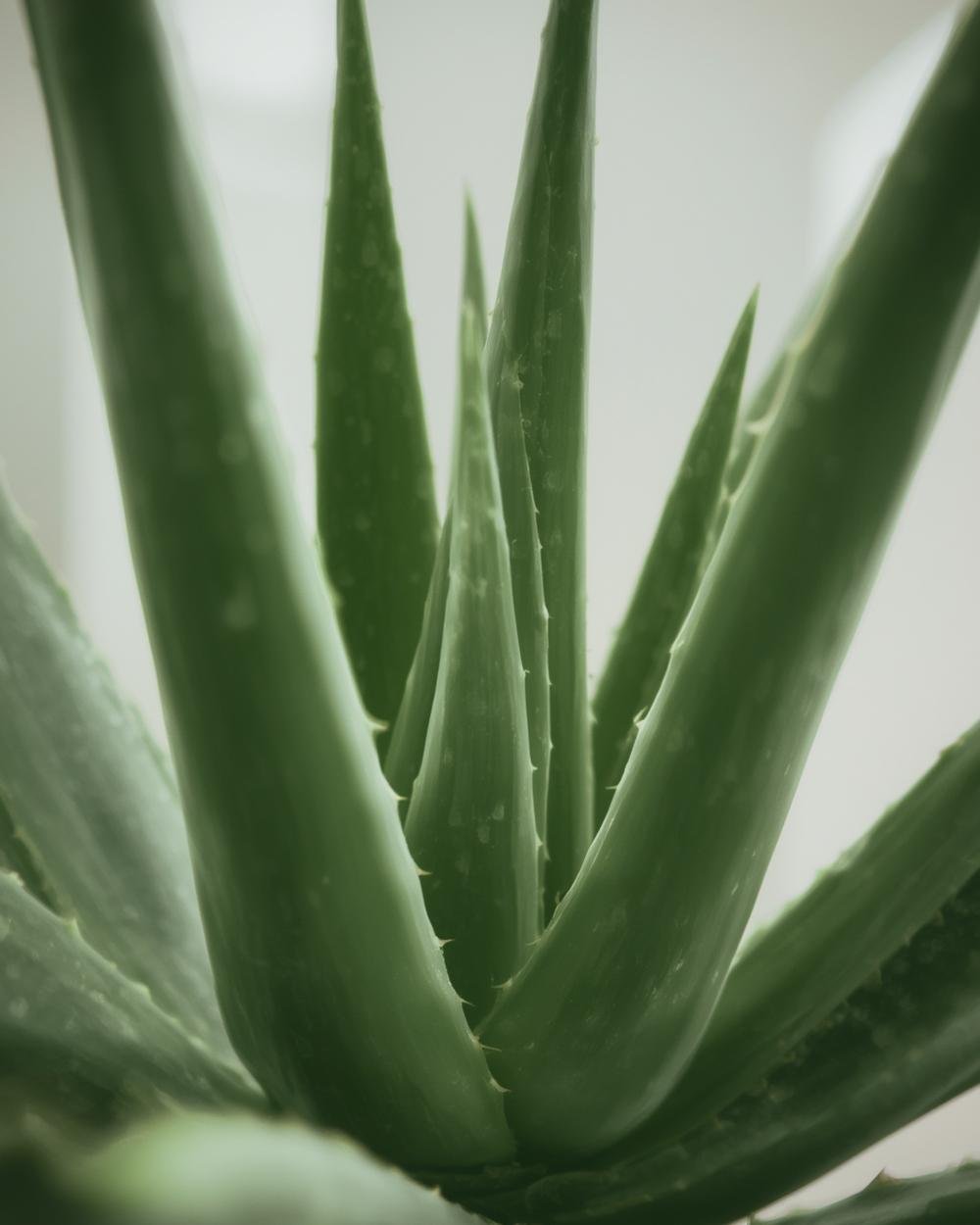
There’s a reason aloe vera has been a staple in homes and gardens for centuries. This versatile succulent isn’t just a trendy décor piece—it’s a powerhouse of soothing gel for burns, a natural air purifier, and a low-maintenance companion for both novice and expert gardeners. But to unlock its full potential, understanding the nuances of aloe vera plant care is essential. Whether you’re growing it for health benefits or as a resilient houseplant, this guide will walk you through everything you need to thrive with your aloe vera.
—
Step-by-Step Instructions
1. Choose the Right Soil: Aloe vera thrives in well-draining, sandy soil. A cactus or succulent mix works perfectly. Avoid dense potting soil, which traps moisture and risks root rot.
2. Sunlight Balance: Place your plant in bright, indirect sunlight. Too much direct sun can scorch the leaves, while too little light stunts growth—a critical tip in aloe vera plant care.
3. Water Sparingly: Water deeply but infrequently—only when the soil is completely dry. Overwatering is the fastest way to harm aloe vera. In winter, reduce watering to once a month.
4. Repot When Needed: If roots circle the pot or poke through drainage holes, move your plant to a container 1–2 inches larger. Use fresh soil to replenish nutrients.
5. Harvest Gel Safely: Cut mature outer leaves at the base, slice lengthwise, and scoop out the gel. Avoid overharvesting to keep the plant healthy.
—
Tips for Success
– Use Terracotta Pots: These containers promote airflow and prevent waterlogging.
– Temperature Matters: Keep aloe vera in temperatures between 55–80°F (13–27°C). Avoid frost at all costs.
– Fertilize Lightly: Feed with a diluted succulent fertilizer once in spring and summer. Skip fertilizing in fall and winter.
– Pest Patrol: Watch for mealybugs or aphids. Wipe leaves with a damp cloth or use neem oil for infestations.
—
Alternative Methods for Growing Aloe Vera
– Water Propagation: Place a healthy leaf cutting (calloused end down) in water until roots form, then transplant to soil.
– Vertical Gardens: Grow aloe in wall-mounted planters with excellent drainage—ideal for small spaces.
– Hydroponics: Try a soil-free system with nutrient-rich water, perfect for controlled indoor environments.
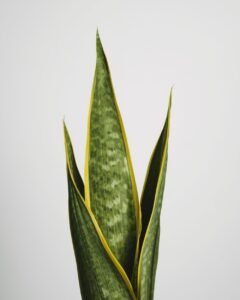
– Companion Planting: Pair aloe with other drought-tolerant plants like lavender or snake plants to create a low-water garden.
—
Conclusion
Mastering aloe vera plant care transforms this humble succulent into a lifelong ally for wellness and greenery. From its skin-healing gel to its air-purifying qualities, aloe vera rewards attentive growers with resilience and versatility. Whether you’re nurturing it as a kitchen remedy or a statement plant, these guidelines ensure your aloe thrives—so you can enjoy its gifts for years to come.