Monstera Plant Care: How to Grow a Healthy Monstera
Introduction
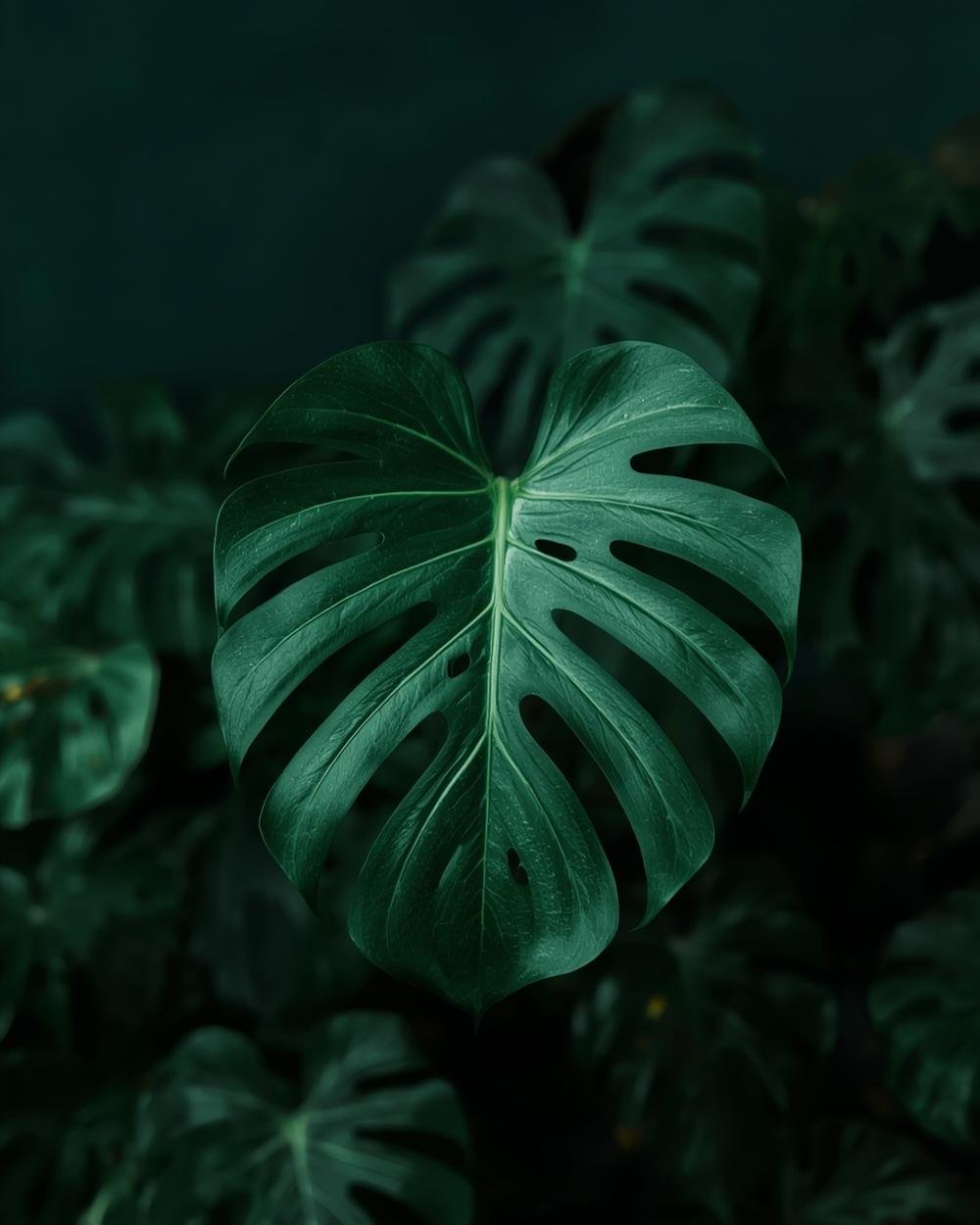
Indoor gardening enthusiasts are no strangers to the striking beauty of the monstera plant. Known for its lush, fenestrated leaves and tropical charm, this houseplant has become a staple in modern homes. But to keep your Monstera deliciosa thriving, mastering monstera deliciosa care is essential. Whether you’re a seasoned plant parent or a beginner, understanding the basics—like light, watering, and humidity—can transform your plant from surviving to flourishing. Let’s explore how to nurture this iconic greenery.
Step-by-Step Instructions
1. Light Requirements: Place your monstera plant in bright, indirect light. Avoid direct sun, which can scorch its leaves, but ensure it receives at least 6–8 hours of filtered light daily. North or east-facing windows are ideal.
2. Watering Technique: Water deeply when the top 2–3 inches of soil dry out. Overwatering leads to root rot, while underwatering causes drooping leaves. Use room-temperature water and ensure proper drainage.
3. Humidity & Temperature: Monsteras thrive in 60–80% humidity. Boost moisture with a humidifier or pebble tray. Keep temperatures between 65–85°F (18–29°C), avoiding cold drafts.
4. Soil & Fertilizer: Use a well-draining, aerated mix (e.g., peat moss, perlite, and orchid bark). Feed monthly during spring and summer with a balanced liquid fertilizer diluted to half strength.
5. Pruning & Support: Trim yellowing leaves to direct energy to healthy growth. Provide a moss pole or trellis for climbing—this mimics their natural habitat and encourages larger leaf development.
Consistency in monstera deliciosa care prevents common issues like pests or stunted growth, ensuring your plant remains vibrant.
Tips for Success
– Rotate Regularly: Turn your monstera plant every few weeks to ensure even light exposure.
– Leaf Cleaning: Wipe leaves monthly with a damp cloth to remove dust and boost photosynthesis.
– Monitor for Pests: Check for spider mites or scale insects, especially under leaves. Treat with neem oil at the first sign of infestation.
– Seasonal Adjustments: Reduce watering frequency in winter when growth slows.
Alternative Methods
1. Hydroponic Growth: Grow your Monstera in water for a low-maintenance approach. Change the water weekly and add liquid nutrients.
2. Air Layering: Propagate mature plants by wrapping a moist sphagnum moss bundle around a node. Roots will form in 4–8 weeks.
3. Terrarium Style: For compact spaces, grow smaller monstera varieties (like Monstera adansonii) in a closed terrarium with high humidity.
Conclusion
The monstera plant is more than a decorative piece—it’s a living testament to the joys of indoor gardening. By prioritizing consistent monstera deliciosa care , you’ll unlock its full potential, from dramatic foliage to resilient growth. Share your progress, experiment with propagation, and watch your tropical companion thrive! 🌿✨