Monstera Plant Care: How to Grow a Healthy Monstera
Introduction
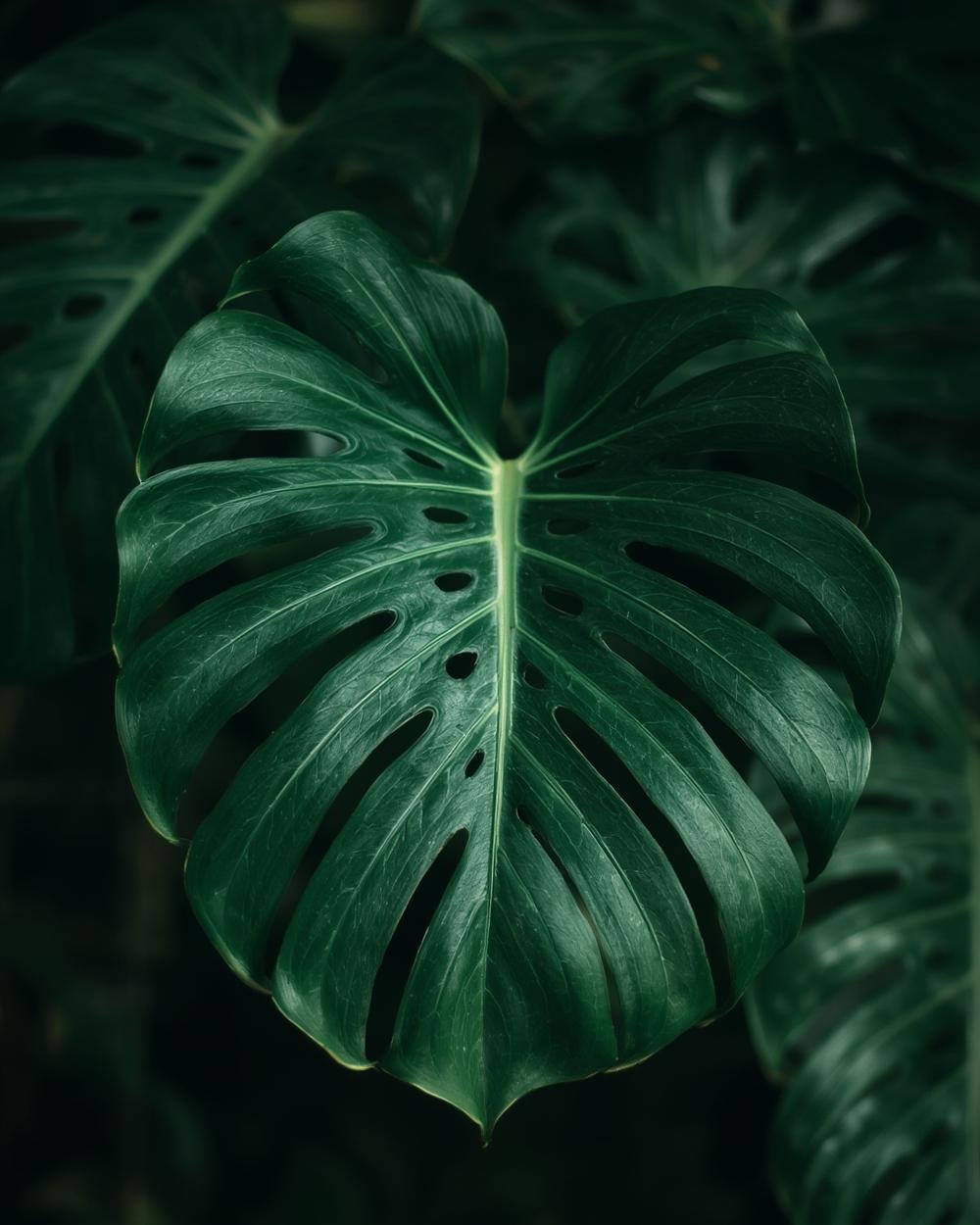
Indoor gardening enthusiasts know that few plants make a statement quite like the iconic monstera plant. With its lush, fenestrated leaves and tropical vibe, this species has become a must-have for modern homes. Often called the “Swiss cheese plant” due to its unique leaf patterns, it’s surprisingly adaptable to indoor conditions—if you understand its needs. Whether you’re a beginner or a seasoned plant parent, mastering monstera deliciosa care ensures your green companion thrives for years. Let’s explore how to keep this botanical superstar happy, healthy, and Instagram-ready.
—
Step-by-Step Instructions
1. Light & Placement:
Monstera plants adore bright, indirect light (think near an east-facing window). Avoid harsh midday sun to prevent leaf scorch. If your space lacks natural light, supplement with a grow light positioned 12–18 inches above the plant.
2. Watering Routine:
Overwatering is the top killer of monsteras. Water deeply only when the top 2–3 inches of soil feel dry. Ensure pots have drainage holes, and empty any excess water from saucers to avoid root rot—a silent assassin in monstera deliciosa care .
3. Soil & Repotting:
Use a chunky, well-draining mix of potting soil, orchid bark, and perlite. Repot every 1–2 years in spring, sizing up just 2 inches in pot diameter to prevent soggy soil.
4. Humidity & Temperature:
Aim for 40–60% humidity—group plants together or use a pebble tray to boost moisture. Keep temperatures between 65–85°F, avoiding cold drafts.
5. Support & Pruning:
Mature monstera plant specimens develop aerial roots. Provide a moss pole or trellis to encourage vertical growth. Trim yellowing leaves with sterilized shears to direct energy to healthy foliage.
—
Tips for Success
– Pest Patrol: Wipe leaves monthly with neem oil to deter spider mites and scale insects.
– Fertilizing: Feed every 4–6 weeks in spring/summer with a balanced liquid fertilizer (e.g., 10-10-10), diluted to half strength.
– Leaf Shine: Skip chemical sprays! Dust leaves with a damp cloth to maximize photosynthesis.
—
Alternative Methods
– Leca or Semi-Hydro: Grow your monstera in clay pebbles for precise moisture control, reducing overwatering risks.
– Water Propagation: Snip a stem cutting below a node and place in water until roots reach 2+ inches. Transfer to soil once established.
– Low-Light Adaptation: While not ideal, monsteras can tolerate medium light—just expect slower growth and smaller leaves.
—
Conclusion
Mastering the balance of light, water, and support transforms your monstera plant from surviving to thriving. Remember that consistency is key: mimic its tropical habitat with warmth, humidity, and patience. For those diving deeper into monstera deliciosa care , observing your plant’s cues—like upward-facing leaves or new splits—will tell you more than any manual. Whether you’re cultivating a desktop-sized starter or a ceiling-grazing giant, this adaptable plant rewards care with breathtaking, jungle-worthy beauty.