Spider Plant Care: Easy Growing & Propagation Tips
Introduction
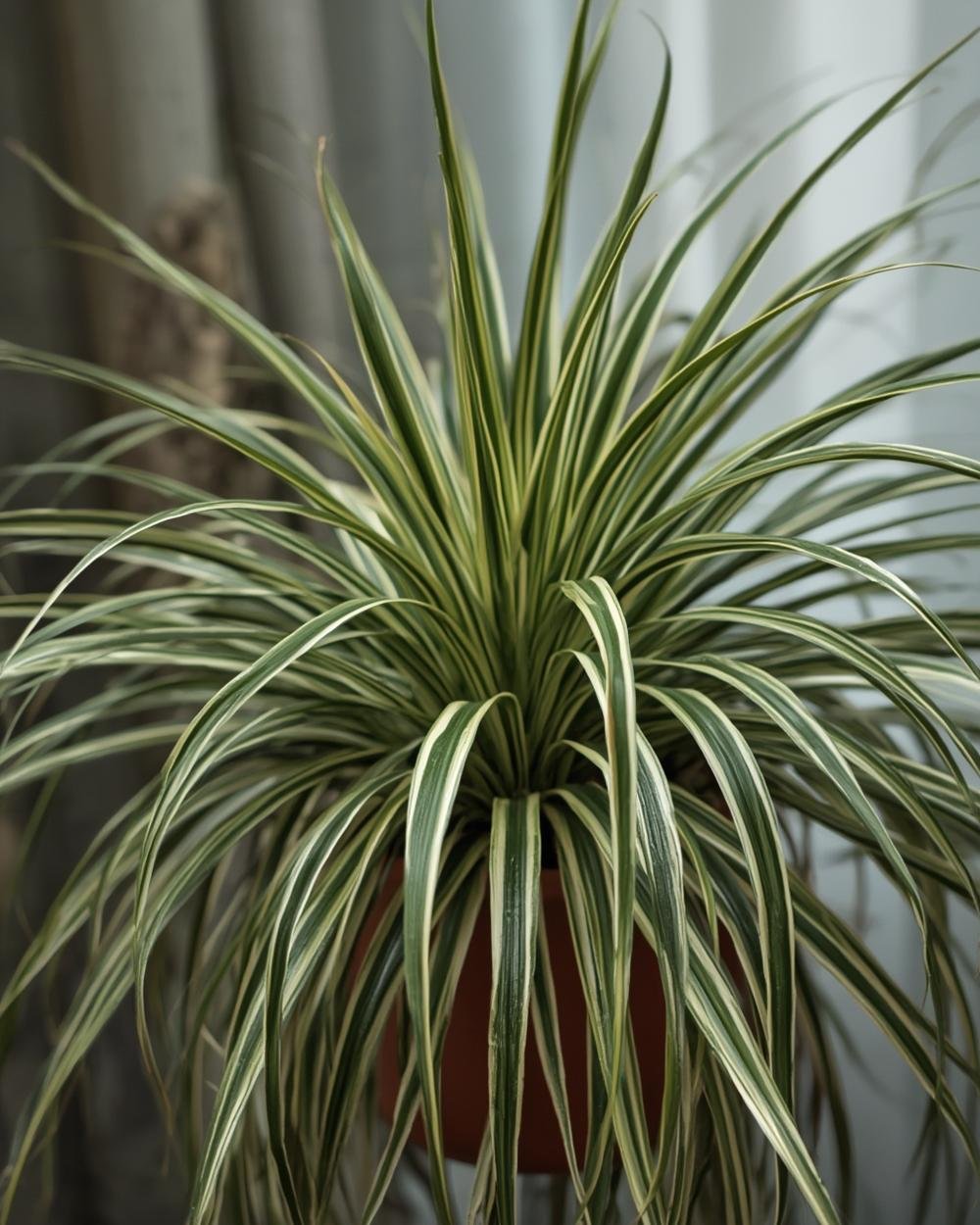
If you’re searching for a houseplant that’s forgiving, visually striking, and a natural air purifier, look no further than the beloved spider plant. Chlorophytum comosum, as it’s scientifically known, has earned its reputation as a staple in homes and offices thanks to its adaptability and rapid growth. But beyond its lush, arching leaves, the magic of this plant lies in its effortless reproduction. Whether you’re a beginner or a seasoned plant parent, mastering spider plant propagation empowers you to multiply your greenery without breaking the bank.
—
Step-by-Step Instructions
Propagating your spider plant is a straightforward process, especially when using its natural “pups” (baby plants). Here’s how to do it:
1. Identify Healthy Pups: Wait until the spiderettes (small offshoots) develop tiny roots of their own—typically 2–3 cm long.
2. Separate the Pup: Use clean scissors or pruning shears to cut the pup from the mother plant’s stolon (runner).
3. Root in Water or Soil:
– Water Method: Place the pup in a container of room-temperature water, submerging only the roots. Change water weekly until roots grow stronger (2–3 weeks).
– Soil Method: Plant the pup directly into a well-draining potting mix. Water lightly and keep the soil consistently moist (not soggy) for 4–6 weeks.
4. Monitor Growth: New leaf growth indicates successful spider plant propagation.
For best results, propagate during spring or summer when the plant is actively growing.
—
Tips for Thriving Spider Plants
– Light: Bright, indirect light is ideal. Avoid direct afternoon sun, which can scorch leaves.
– Watering: Water when the top inch of soil feels dry. Overwatering leads to root rot—a common pitfall.
– Humidity: Mist leaves occasionally or place the pot on a pebble tray to boost moisture.
– Fertilizing: Feed monthly with a balanced liquid fertilizer (half-strength) during the growing season.
—
Alternative Methods
Beyond pups, explore these propagation techniques:
1. Division: Split a mature spider plant at the roots during repotting. Ensure each division has healthy roots and foliage.
2. Seed Propagation: Rare but possible! Harvest seeds from spent flowers and sow in seed-starting mix.
3. Water Propagation for Leaf Cuttings: While less reliable than pups, healthy leaf cuttings can root in water.
—
Conclusion
The spider plant isn’t just a decorative gem—it’s a gateway to limitless greenery. By mastering spider plant propagation, you can cultivate an indoor jungle, share plants with friends, or even start a small business. Pair its low-maintenance nature with mindful watering and indirect light, and you’ll enjoy generations of vibrant, air-purifying foliage. Happy propagating! 🌱