Sleep Deprivation Effects on Brain and Body

Sleep Deprivation Effects on Brain and Body
The Unseen Impact: How Sleep Deprivation Silently Erodes Your Brain and Body Health
In our fast-paced world, sacrificing sleep often feels like a necessary trade-off for productivity or leisure, yet the profound and far-reaching consequences of this choice are often underestimated. Understanding how sleep deprivation affects mental focus, immunity, hormones, and long-term health is crucial for safeguarding our well-being. This comprehensive exploration delves into the intricate ways insufficient sleep can silently dismantle both our cognitive functions and physical resilience, emphasizing why quality rest is not a luxury, but a fundamental pillar of health.
The Essential Role of Sleep: More Than Just Rest
Sleep is a complex, dynamic process vital for both mental and physical restoration, far exceeding simple inactivity. It’s a fundamental biological need, akin to eating, drinking, and breathing, serving as a critical period for repair, rejuvenation, and consolidation of experiences. During sleep, our bodies and brains engage in a myriad of essential tasks that are impossible to perform while awake, directly impacting our ability to function optimally throughout the day and maintain long-term health.
The sleep cycle is comprised of distinct stages, primarily categorized into Non-Rapid Eye Movement (NREM) sleep and Rapid Eye Movement (REM) sleep, which cycle throughout the night. NREM sleep is further divided into three stages, progressing from light sleep to deep, restorative sleep. It is during the deepest stages of NREM sleep that the body undergoes significant physical repair. Tissues grow and repair, bones and muscles are built, and the immune system strengthens itself, preparing to defend against pathogens. Hormones essential for growth and appetite regulation are also released during this period. Without adequate deep NREM sleep, these crucial restorative processes are curtailed, leaving the body in a state of chronic disrepair.
REM sleep, on the other hand, is characterized by intense brain activity, vivid dreaming, and muscle paralysis. This stage is particularly vital for cognitive functions, playing a significant role in memory consolidation, learning, and emotional processing. During REM sleep, the brain actively sifts through the day’s events, transferring information from short-term to long-term memory, and processing emotional experiences. This is why a good night’s sleep often makes complex problems seem clearer and helps to regulate mood. Depriving the brain of sufficient REM sleep can impair its ability to learn new information, recall existing memories, and manage emotional responses effectively, leading to feelings of irritability and difficulty concentrating.
Globally, the prevalence of insufficient sleep is a growing public health concern. Modern lifestyles, characterized by demanding work schedules, pervasive digital screens, and an “always-on” culture, often contribute to widespread sleep deficits. Statistics from various health organizations consistently highlight that a significant portion of the adult population, in some regions exceeding one-third, regularly sleeps less than the recommended 7-9 hours per night. This collective sleep debt has profound implications not just for individual health, but for societal productivity and safety. The cumulative effects of consistently under-sleeping lead to a gradual decline in both physical and mental well-being, often subtly at first, making it easy to dismiss the early warning signs until more severe consequences manifest. Recognizing sleep as a biological imperative, rather than a negotiable part of our day, is the first step towards prioritizing its profound impact on our overall health and vitality.
Early Signs and Symptoms
The initial indications of sleep deprivation can be subtle, often dismissed as normal fatigue or stress. However, these early signs serve as critical warnings that our bodies and brains are not receiving the essential rest they require. Recognizing them is the first step toward addressing the issue before it escalates into more severe health problems.
One of the most immediate and universally experienced symptoms is pervasive fatigue and lethargy. This isn’t just feeling tired at the end of a long day; it’s a persistent, draining weariness that doesn’t dissipate easily, even after a short rest. Simple tasks feel arduous, and motivation dwindles, making it challenging to engage fully in work, hobbies, or social interactions. This fatigue is often accompanied by a general sense of feeling unwell, a vague malaise that impacts overall comfort.
Another common early sign is irritability and mood swings. When deprived of sleep, the brain’s ability to regulate emotions is significantly impaired. Areas of the brain responsible for emotional control, such as the prefrontal cortex, become less effective, leading to heightened emotional responses. Minor inconveniences can trigger disproportionate reactions, such as anger or frustration, and individuals may find themselves feeling more easily stressed or overwhelmed than usual. This emotional lability can strain personal relationships and diminish overall quality of life.
Difficulty concentrating and focusing is a hallmark symptom of insufficient sleep. The brain struggles to maintain sustained attention, making it hard to follow conversations, absorb new information, or complete tasks that require mental effort. This often manifests as easily getting distracted, making more errors than usual, and struggling with complex problem-solving. A task that might normally take an hour could stretch into several due to a diminished capacity for sustained mental engagement. Students might find it harder to learn, and professionals might experience a drop in work performance.
Additionally, sleep-deprived individuals often report slower reaction times and impaired coordination. Simple motor tasks may become more challenging, leading to clumsiness, increased likelihood of accidents, and a general feeling of being less sharp or agile. This impact is particularly concerning for tasks requiring precision and quick responses, such as driving or operating machinery, significantly increasing the risk of accidents.
Subtler signs can include memory lapses, such as forgetting appointments or misplacing items more frequently, and a reduced ability to make sound decisions. When the brain is fatigued, its capacity for critical thinking, risk assessment, and judgment is compromised. This can lead to impulsivity or poor choices that might be avoided with adequate rest. Furthermore, some individuals might experience increased sensitivity to pain or a lowered tolerance for everyday stressors. The body’s natural pain management systems can be less effective, and the ability to cope with daily pressures diminishes, making life feel generally harder to navigate. These early indicators, while seemingly minor in isolation, collectively signal a significant imbalance, underscoring the urgent need to address sleep patterns before these symptoms deepen into more chronic and debilitating conditions.
The Brain Under Siege: Cognitive and Mental Impacts
The human brain, an incredibly complex organ, relies heavily on adequate sleep to perform its myriad functions optimally. When sleep is consistently cut short or disrupted, the brain essentially operates under duress, leading to a cascade of cognitive and mental impairments that affect nearly every aspect of daily life.
#### Mental Focus and Concentration
One of the most immediate and noticeable effects of sleep deprivation on the brain is a significant deterioration in mental focus and concentration. The brain’s prefrontal cortex, responsible for executive functions like attention, planning, and impulse control, is particularly vulnerable to a lack of sleep. When fatigued, this area becomes less active, making it extraordinarily difficult to sustain attention on a single task. Individuals may find their minds wandering constantly, struggling to absorb information, or easily getting distracted by environmental stimuli that they would normally filter out. Simple tasks that typically require minimal mental effort can suddenly feel arduous and lengthy. For instance, reading a report might require rereading sentences multiple times to grasp their meaning, or following a detailed set of instructions might become an overwhelming challenge. This reduced capacity for sustained attention not only hampers productivity but also increases the likelihood of making errors in both professional and personal contexts, from miscalculations at work to overlooking important details at home.
#### Memory Impairment
Sleep plays an indispensable role in the intricate process of memory consolidation. During deep NREM sleep and REM sleep, the brain actively processes and transfers information from short-term memory to long-term storage, essentially cementing the day’s learning experiences. When sleep is inadequate, this crucial process is severely disrupted. The hippocampus, a brain region critical for forming new memories, struggles to function effectively without sufficient rest. As a result, individuals may experience difficulty learning new concepts, recalling recent events, or even remembering familiar facts. This can manifest as problems with recalling names, forgetting appointments, or struggling to remember details from conversations. For students, this translates to diminished learning retention and poorer academic performance. For professionals, it can impact skill development and the ability to retrieve important information needed for decision-making, creating significant obstacles in a knowledge-based society.
#### Decision-Making and Problem-Solving
A well-rested brain is a sharp brain, capable of analytical thought, sound judgment, and effective problem-solving. Conversely, a sleep-deprived brain struggles considerably in these areas. The emotional centers of the brain, particularly the amygdala, tend to become overactive when sleep is insufficient, while the rational, executive functioning areas of the prefrontal cortex are diminished. This imbalance can lead to impaired judgment, making individuals more prone to impulsive decisions or those driven by emotion rather than logic. Risk assessment capabilities are also compromised, leading to a tendency to take unnecessary risks or underestimate potential negative consequences. Complex problems that require critical thinking and creative solutions become daunting, as the brain lacks the clarity and processing power to approach them effectively. This can have significant implications in situations ranging from financial planning to critical work decisions, potentially leading to errors with substantial repercussions.
#### Emotional Regulation and Mood
Sleep deprivation has a profound and often immediate impact on emotional regulation and overall mood. Studies indicate that a lack of sleep exacerbates negative emotions while diminishing the ability to experience positive ones. Individuals frequently report heightened irritability, increased feelings of frustration, and a general sense of being “on edge.” The amygdala, which processes fear and other strong emotions, shows increased activity in a sleep-deprived state, while its connection to the prefrontal cortex, which helps to regulate emotional responses, is weakened. This makes it harder to manage stress, cope with minor setbacks, and maintain a balanced emotional state. Persistent sleep deprivation can also significantly increase the risk of developing or worsening mental health conditions such as anxiety and depression. The chronic stress response induced by insufficient sleep, coupled with altered neurotransmitter activity, creates a fertile ground for mood disorders to take root or intensify, leading to a diminished sense of well-being and a reduced capacity for joy.
#### Creativity and Innovation
Beyond the practical aspects of daily tasks, sleep also plays a pivotal role in fostering creativity and innovation. The brain uses sleep, especially REM sleep, as a period to make novel connections between seemingly unrelated ideas, reorganize information, and generate insights. This unconscious processing is often where breakthroughs occur, leading to “aha!” moments. When sleep is curtailed, this vital creative incubation period is severely cut short. The brain is less able to diverge from established thought patterns or synthesize new concepts, making it harder to think outside the box, come up with original solutions, or engage in imaginative activities. Artists, scientists, and professionals in all fields rely on this cognitive flexibility and insight, which are significantly hampered by chronic sleep debt, ultimately stifling innovation and limiting personal and professional growth.
The Body’s Battle: Physical Health Consequences
While the cognitive effects of sleep deprivation are widely recognized, its impact on the physical body is equally, if not more, extensive and insidious. From undermining our immune defenses to disrupting delicate hormonal balances, insufficient sleep wages a silent war on nearly every physiological system, setting the stage for a host of health problems.
#### Immune System Compromise
The immune system is intricately linked to sleep, relying on adequate rest to function effectively. During sleep, the body produces and releases cytokines, which are proteins that help the immune system fight infections and inflammation. It also produces T-cells, crucial for targeting and destroying infected cells. When sleep is deprived, the production of these protective cytokines decreases, while inflammatory cytokines can increase. This imbalance significantly weakens the body’s natural defenses, making individuals more susceptible to common infections like the cold and flu. Studies have shown that people who consistently sleep less than 7 hours per night are nearly three times more likely to catch a cold when exposed to a virus compared to those who get 8 hours or more. Furthermore, the effectiveness of vaccinations can be reduced, as the immune system’s ability to mount a robust antibody response is compromised. Over time, chronic sleep deprivation can contribute to persistent low-grade inflammation throughout the body, a factor implicated in numerous chronic diseases.
#### Hormonal Imbalance
Sleep plays a critical role in regulating a vast array of hormones that control appetite, stress response, growth, and metabolism. When sleep patterns are disrupted, this delicate hormonal balance is thrown into disarray, leading to widespread physiological consequences.
- Ghrelin and Leptin (Appetite Regulation): Sleep deprivation dramatically affects the hormones that control hunger and satiety. Ghrelin, often dubbed the “hunger hormone,” increases with insufficient sleep, stimulating appetite. Conversely, leptin, the “satiety hormone” that signals fullness, decreases. This hormonal imbalance leads to increased cravings, particularly for high-calorie, high-carbohydrate foods, even when the body doesn’t genuinely need the extra energy. The result is often increased food intake and a higher likelihood of weight gain and obesity, creating a vicious cycle where excess weight can further disrupt sleep.
- Cortisol (Stress Hormone): Lack of sleep acts as a significant physiological stressor, triggering the release of cortisol, the body’s primary stress hormone. Elevated cortisol levels, especially when prolonged due to chronic sleep deprivation, can have detrimental effects across the body. High cortisol contributes to increased abdominal fat storage, suppresses immune function, and can negatively impact mood and cognitive function, mirroring many of the direct effects of sleep loss.
- Growth Hormone: Deep sleep is the primary period for the secretion of growth hormone, which is essential not only for growth in children but also for tissue repair, muscle building, and fat metabolism in adults. Insufficient deep sleep leads to reduced growth hormone production, impeding the body’s ability to repair and regenerate cells, recover from physical exertion, and maintain muscle mass.
- Insulin Sensitivity: Sleep deprivation significantly impairs the body’s ability to process glucose, leading to reduced insulin sensitivity. Insulin is the hormone responsible for allowing cells to absorb glucose from the bloodstream for energy. When cells become less responsive to insulin, blood sugar levels remain elevated, forcing the pancreas to produce more insulin. This chronic strain on the pancreas increases the risk of developing insulin resistance, prediabetes, and ultimately, type 2 diabetes. Just one night of poor sleep can show changes in insulin sensitivity, highlighting the immediate impact.
- Diet: Eating heavy meals too close to bedtime can lead to digestive discomfort, making it harder to fall asleep. Conversely, going to bed hungry can also be disruptive.
- Caffeine and Alcohol: While caffeine is often used to combat daytime sleepiness, consuming it too late in the day can significantly interfere with sleep, as its stimulating effects can last for several hours. Alcohol, initially perceived as a sedative, actually fragments sleep during the latter half of the night, reducing REM sleep and overall sleep quality.
- Irregular Sleep Schedule: One of the most common habits contributing to sleep deprivation is an inconsistent sleep schedule. Going to bed and waking up at different times each day, especially on weekends (“social jet lag”), disrupts the body’s natural circadian rhythm, making it harder to establish a consistent sleep-wake pattern.
- Lack of Regular Physical Activity: While intense exercise too close to bedtime can be stimulating, regular moderate physical activity during the day generally promotes better sleep. A sedentary lifestyle, conversely, can make it harder for the body to feel physically tired enough to initiate sleep.
- Stress Management: Unmanaged stress and anxiety are major impediments to sleep. A racing mind filled with worries can prevent sleep onset and cause frequent awakenings. Without effective stress-reduction techniques, the chronic activation of the fight-or-flight response can make restful sleep an elusive goal.
- Sleep Apnea: This common and serious disorder causes breathing to repeatedly stop and start during sleep. Each cessation of breathing temporarily wakes the brain, leading to fragmented sleep and severe daytime fatigue, even if the individual doesn’t remember waking up.
- Insomnia: Characterized by difficulty falling asleep, staying asleep, or waking up too early and being unable to return to sleep, insomnia can be acute (short-term) or chronic (long-term). It can be primary (not linked to other health conditions) or secondary (a symptom of another medical problem, medication, or substance use).
- Restless Leg Syndrome (RLS): This neurological disorder causes an irresistible urge to move the legs, often accompanied by uncomfortable sensations, particularly in the evening or night. The constant need to move disrupts sleep significantly.
- Chronic Pain: Persistent pain from conditions like arthritis, fibromyalgia, or back injuries can make it extremely difficult to find a comfortable sleeping position and stay asleep.
- Mental Health Disorders: As previously discussed, conditions like depression, anxiety, and PTSD are frequently linked to severe sleep disturbances, creating a bidirectional relationship where each exacerbates the other.
- Thyroid Disorders: Both an overactive and underactive thyroid can impact sleep.
- Gastroesophageal Reflux Disease (GERD): Heartburn symptoms can worsen when lying down, disrupting sleep.
- Dark: Eliminate as much light as possible. Use blackout curtains, an eye mask, or ensure all electronic devices are off or covered. Even dim light can disrupt melatonin production.
- Quiet: Minimize noise disturbances. Earplugs, white noise machines, or even a fan can help mask disruptive sounds.
- Cool: Most sleep experts recommend a room temperature between 60-67°F (15-19°C) for optimal sleep. Your body naturally cools down to initiate sleep, and a cool room aids this process.
- Comfortable: Invest in a supportive mattress and pillows that suit your sleep position. Ensure your bedding is clean and comfortable.
- Limit Screen Time: Avoid electronic devices (phones, tablets, computers, TV) for at least 1-2 hours before bed. The blue light emitted by screens interferes with melatonin production and keeps your brain stimulated.
- Relaxation Techniques: Engage in calming activities such as reading a physical book, taking a warm bath or shower, listening to soothing music, practicing gentle yoga or stretching, or meditating. These activities help to quiet the mind and relax the body.
- Avoid Heavy Meals: Try to finish large meals at least 2-3 hours before bedtime to prevent indigestion and discomfort.
- Limit Stimulants: Cut off caffeine intake in the late afternoon or evening, and be mindful of nicotine, which is also a stimulant.
- Caffeine and Alcohol: As mentioned, avoid caffeine in the afternoon and evening. While alcohol might initially make you feel drowsy, it disrupts sleep architecture later in the night, leading to fragmented and less restorative sleep.
- Hydration: Stay hydrated during the day, but reduce fluid intake in the hours leading up to bedtime to minimize nighttime bathroom trips.
- Balanced Diet: A balanced diet rich in fruits, vegetables, and whole grains supports overall health, which in turn supports better sleep. Some foods, like cherries, kiwi, or walnuts, contain natural compounds that can promote sleep, though these effects are generally mild.
- Timing: Aim for at least 30 minutes of moderate-intensity exercise most days of the week. However, try to avoid vigorous workouts too close to bedtime (within 2-3 hours), as the stimulating effects can make it harder to fall asleep. Morning or afternoon exercise is generally best for promoting restful sleep.
- Type of Exercise: Both aerobic activities (like brisk walking, jogging, swimming) and strength training can be beneficial.
- Mindfulness and Meditation: Regular practice can reduce rumination and quiet an overactive mind, making it easier to transition to sleep.
- Journaling: Writing down worries or tasks before bed can help clear your mind.
- Deep Breathing Exercises: Simple deep breathing techniques can calm the nervous system and induce relaxation.
- Problem-Solving: If a specific problem is keeping you awake, designate a “worry time” earlier in the day to address it, so you don’t bring those thoughts to bed.
- Loud, chronic snoring, especially if punctuated by gasps, choking sounds, or observed breathing pauses (which may suggest sleep apnea).
- An irresistible urge to move your legs while trying to fall asleep or during the night, often accompanied by uncomfortable sensations (suggestive of Restless Leg Syndrome).
- Episodes of falling asleep uncontrollably during the day, even in inappropriate situations (potential narcolepsy).
- Severe and persistent insomnia that lasts for more than a few weeks, despite your best efforts to improve sleep habits.
- Experiencing nightmares, sleepwalking, or other disruptive behaviors during sleep that are concerning or frequent.
- Sleep is fundamental for holistic health: It’s not merely rest but an active period for physical repair, mental consolidation, and hormonal regulation, crucial for optimal functioning.
- Profound impact on brain function: Insufficient sleep severely impairs mental focus, memory, decision-making, emotional regulation, and creativity, leading to increased errors and diminished cognitive abilities.
- Widespread physical health consequences: Chronic sleep deprivation compromises the immune system, disrupts vital hormone balances (affecting appetite, stress, and metabolism), elevates cardiovascular risks, and increases susceptibility to chronic diseases like diabetes and obesity.
- Long-term health risks are significant: Persistent lack of sleep contributes to an increased risk of neurological disorders (like Alzheimer’s), mental health conditions (depression, anxiety), and ultimately, reduced life expectancy.
- Prioritize and seek help when needed: Adopting consistent sleep hygiene practices is key, but if sleep problems persist despite best efforts, consulting a healthcare professional or sleep specialist is vital to address potential underlying sleep disorders and protect your long-term health.
#### Cardiovascular Health
The heart and circulatory system are also profoundly affected by insufficient sleep. Chronic sleep deprivation is a recognized risk factor for hypertension (high blood pressure). During healthy sleep, blood pressure naturally dips, giving the cardiovascular system a much-needed rest. When sleep is continually restricted, this nocturnal dip is attenuated or absent, leading to persistently elevated blood pressure. Furthermore, a lack of sleep increases inflammation, contributes to endothelial dysfunction (damage to the lining of blood vessels), and can elevate levels of stress hormones, all of which put extra strain on the heart. Over time, these factors significantly increase the risk of developing serious cardiovascular diseases such as heart attack, stroke, and heart failure. The cumulative effect of years of insufficient sleep can contribute to the hardening and narrowing of arteries, further compromising heart health.
#### Metabolic Syndrome and Weight Gain
The interplay of hormonal imbalances (ghrelin, leptin, cortisol, insulin), reduced energy expenditure due to fatigue, and increased cravings for unhealthy foods creates a perfect storm for the development of metabolic syndrome. This cluster of conditions includes increased blood pressure, high blood sugar, excess body fat around the waist, and abnormal cholesterol or triglyceride levels. Individually, these conditions increase the risk of heart disease, stroke, and type 2 diabetes; collectively, the risk is significantly magnified. Sleep deprivation directly contributes to each component of metabolic syndrome, solidifying its role as a key lifestyle factor in the global obesity and diabetes epidemics. Individuals struggling with weight often find that improving their sleep habits can be a crucial, yet often overlooked, component of their weight management strategy.
#### Physical Performance and Coordination
Beyond the internal physiological impacts, sleep deprivation also takes a direct toll on physical performance and coordination. Muscles need sleep to repair themselves and rebuild glycogen stores, which are essential for energy. A lack of sleep leads to muscle fatigue, reduced strength, and decreased endurance, making physical activities more challenging and less effective. Reaction times slow down, agility is compromised, and fine motor skills deteriorate. This not only impairs athletic performance for athletes but also increases the risk of accidents and injuries for the general population, whether during exercise, performing household chores, or navigating daily environments. The mental fog and impaired judgment that accompany fatigue further compound these risks, making individuals less aware of their surroundings and less capable of responding quickly to unexpected situations.
#### Pain Perception
Interestingly, sleep deprivation also lowers the pain threshold and tolerance. Research suggests that when individuals are sleep-deprived, their brains perceive pain more intensely. This could be due to changes in neurotransmitter levels and the modulation of pain pathways in the central nervous system. For those already living with chronic pain conditions, insufficient sleep can exacerbate their symptoms, creating a challenging feedback loop where pain interferes with sleep, and poor sleep amplifies pain. This bidirectional relationship highlights another critical reason why prioritizing sleep is essential for overall physical comfort and managing chronic conditions.
Long-Term Health Implications
The cumulative effect of chronic sleep deprivation extends far beyond immediate discomfort and decreased performance, etching profound and lasting impacts on long-term health. Over years, consistent insufficient sleep significantly elevates the risk of developing and worsening several serious chronic diseases, accelerating aging processes, and ultimately diminishing life expectancy and quality of life.
#### Increased Risk of Chronic Diseases
Chronic sleep deprivation acts as a silent catalyst for a host of debilitating chronic conditions. As previously mentioned, the link to Type 2 Diabetes is particularly strong. Persistent high blood sugar levels resulting from insulin resistance, coupled with hormonal shifts, create a fertile ground for the disease to take hold. Furthermore, the sustained elevation of blood pressure and inflammation stemming from inadequate sleep significantly heightens the risk of Cardiovascular Diseases, including coronary artery disease, heart attacks, and strokes. The constant strain on the heart and blood vessels due to impaired sleep contributes to arterial stiffness and plaque buildup, critical factors in cardiovascular pathology. Obesity, often driven by disrupted appetite hormones (ghrelin and leptin) and increased cravings for unhealthy foods, also becomes a far greater risk. Obesity itself is a gateway to numerous other health issues, including joint problems, certain cancers, and further sleep disturbances like sleep apnea, creating a detrimental cycle. The chronic, low-grade inflammation sustained by sleep deprivation is also increasingly recognized as a foundational factor in the progression of many chronic diseases, including certain types of cancers. While the exact mechanisms are still under extensive research, the immune system’s reduced effectiveness and impaired cellular repair during chronic sleep loss are believed to play a role in promoting uncontrolled cell growth.
#### Neurological Disorders
Perhaps one of the most concerning long-term implications of chronic sleep deprivation involves its impact on brain health and the increased risk of neurological disorders. Emerging research highlights the crucial role of sleep in the brain’s “cleaning system,” known as the glymphatic system. This system becomes highly active during sleep, effectively flushing out metabolic waste products, including amyloid-beta proteins, which are implicated in the development of Alzheimer’s disease and other forms of dementia. When sleep is consistently insufficient, the glymphatic system cannot efficiently clear these neurotoxic proteins, leading to their accumulation in the brain. Over years, this buildup is thought to contribute to neuronal damage and the characteristic plaques and tangles associated with Alzheimer’s. While not a direct cause, chronic sleep deprivation is increasingly considered a significant risk factor that can accelerate the onset and progression of neurodegenerative diseases, making quality sleep a critical component of preventative brain health.
#### Mental Health Disorders
The short-term effects of sleep deprivation on mood and emotional regulation can, over time, escalate into more entrenched mental health disorders. Chronic lack of sleep is strongly linked to an increased risk of developing clinical depression and anxiety disorders. The persistent disruption of neurotransmitters, hormonal imbalances (like elevated cortisol), and impaired emotional processing in the brain create a vulnerable state. For individuals already predisposed to mental health issues, chronic sleep deprivation can act as a potent trigger or exacerbate existing conditions, leading to more severe symptoms and a reduced capacity for recovery. Burnout, characterized by emotional exhaustion, cynicism, and reduced personal accomplishment, is also highly prevalent among chronically sleep-deprived individuals, particularly in high-stress professions. The ability to cope with daily stressors diminishes, leading to a feeling of being constantly overwhelmed and depleted.
#### Reduced Life Expectancy
Considering the broad spectrum of chronic diseases and health conditions that are either caused or exacerbated by sleep deprivation, it’s not surprising that chronic insufficient sleep is associated with a reduced life expectancy. Studies tracking large populations over many years consistently demonstrate a correlation between routinely sleeping less than 6-7 hours per night and an increased risk of premature mortality from all causes. This is a sobering reminder that sleep is not merely about feeling good day-to-day, but about extending and enriching the entirety of one’s life. The cumulative wear and tear on the body’s systems, from cardiovascular stress to immune compromise and neurological damage, ultimately takes a toll that can shorten one’s lifespan, highlighting sleep as a fundamental determinant of longevity.
Causes and Contributing Factors to Sleep Deprivation
Understanding the profound effects of sleep deprivation is only half the battle; identifying its root causes is essential for developing effective strategies to combat it. In today’s modern world, a confluence of lifestyle choices, environmental elements, and underlying health issues conspire to rob many individuals of adequate, restorative sleep.
#### Modern Lifestyle
The demands of contemporary life are often at odds with our biological need for sleep. The pervasive 24/7 work culture frequently necessitates long hours, shift work, and the pressure to be constantly available, leading many to push their bedtimes later and wake up earlier. This is particularly challenging for shift workers, whose schedules disrupt the body’s natural circadian rhythm, a key internal clock that regulates sleep-wake cycles. Additionally, the widespread use of digital screens (smartphones, tablets, computers, TVs) late into the evening is a significant culprit. The blue light emitted by these devices suppresses melatonin production, a hormone crucial for signaling to the body that it’s time to sleep, thereby delaying sleep onset and reducing sleep quality. The constant connectivity and influx of information from social media and news feeds can also keep the mind stimulated and anxious, making it difficult to wind down. Furthermore, societal pressures often glorify busyness and productivity, inadvertently fostering a culture where sleep is viewed as expendable or a sign of weakness, rather than a vital component of health and performance.
#### Environmental Factors
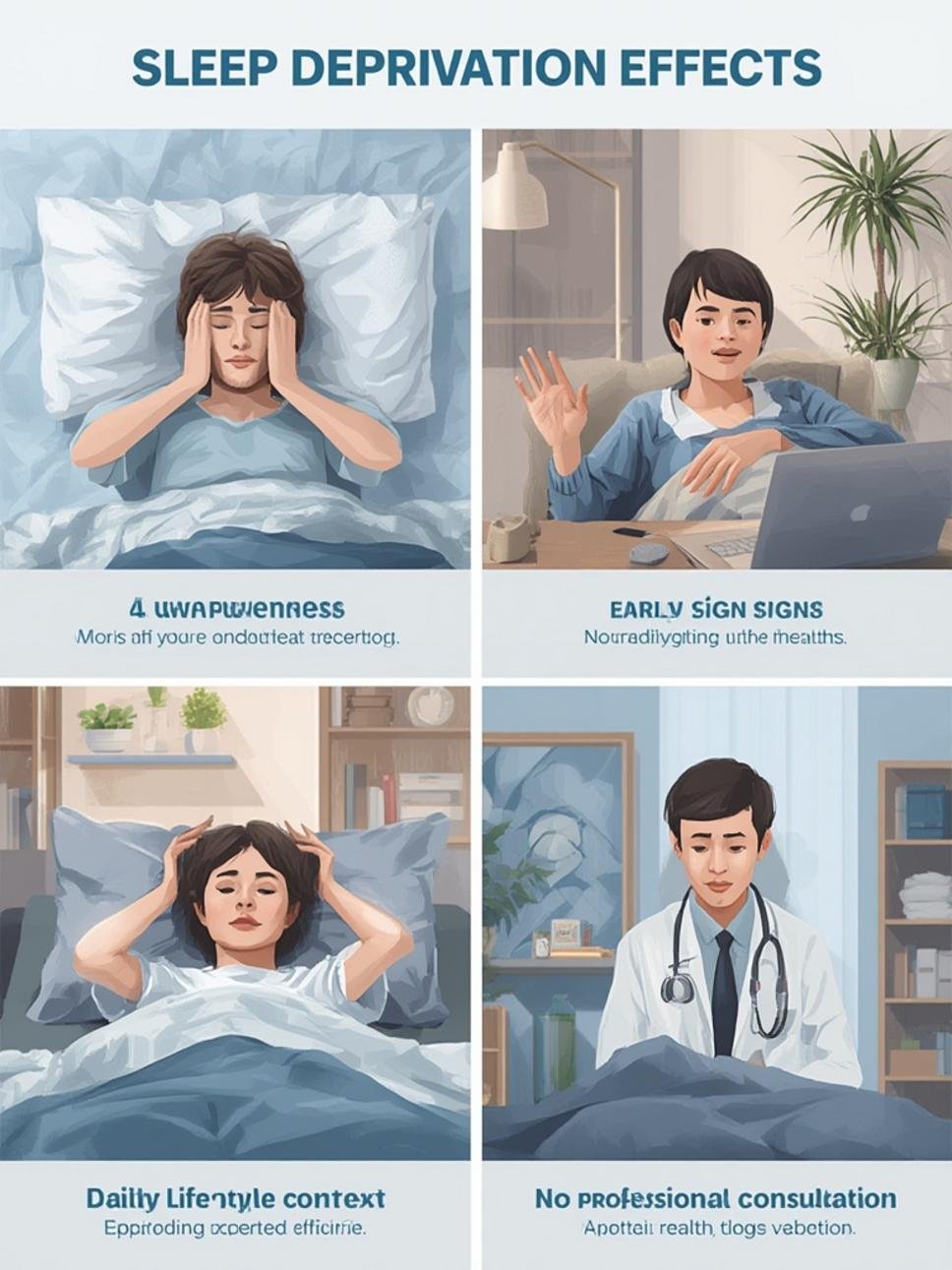
Our immediate surroundings play a crucial role in our ability to fall and stay asleep. An unfavorable sleep environment can significantly contribute to sleep deprivation. Noise pollution, whether from city traffic, noisy neighbors, or even a snoring partner, can disrupt sleep cycles, preventing entry into deeper, more restorative stages of sleep. Similarly, excessive light exposure, especially from streetlights or electronic devices, can interfere with melatonin production and signal to the brain that it’s still daytime. The temperature of the sleep environment is also critical; a room that is too hot or too cold can make it difficult to fall asleep and maintain sleep throughout the night, as the body works to regulate its core temperature. Even an uncomfortable mattress or pillow can lead to restlessness and physical discomfort, fragmenting sleep and reducing its quality.
#### Lifestyle and Daily Habits
Beyond environmental factors, our daily habits and choices have a substantial impact on our sleep quality.
#### Underlying Health Conditions
Sometimes, sleep deprivation is not just a matter of lifestyle choices but a symptom or consequence of underlying medical conditions.
#### Medications
Certain medications can also contribute to sleep deprivation as a side effect. These include some antidepressants, cold and allergy medications containing decongestants, corticosteroids, beta-blockers, and stimulants used for ADHD. It’s important for individuals to discuss potential sleep-related side effects with their healthcare provider.
Recognizing the multifaceted nature of sleep deprivation’s causes is crucial. Addressing these underlying factors, whether through lifestyle adjustments, environmental modifications, or medical interventions, is the key to reclaiming restorative sleep and, by extension, robust health.
Strategies for Promoting Restorative Sleep
Given the profound and widespread impact of sleep deprivation, proactively adopting strategies to foster restorative sleep is paramount for overall health and well-being. While individual needs may vary, a combination of consistent habits and an optimized environment can significantly improve sleep quality.
#### Establishing a Consistent Sleep Schedule
One of the most powerful tools for improving sleep is to maintain a regular sleep schedule, even on weekends. Going to bed and waking up at roughly the same time each day helps to regulate your body’s natural circadian rhythm. This internal clock thrives on consistency, and when it’s well-regulated, it sends clearer signals to your body about when to feel sleepy and when to be alert. Aim for at least 7-9 hours of sleep per night. If you must deviate slightly on weekends, try to keep the difference to no more than an hour to avoid “social jet lag,” which can mimic the effects of actual jet lag.
#### Creating an Optimal Sleep Environment
Transforming your bedroom into a sanctuary for sleep is critical. The ideal sleep environment should be:
#### Evening Routine and Wind-Down Practices
Developing a relaxing pre-sleep routine signals to your body that it’s time to wind down.
#### Dietary Adjustments
What you consume throughout the day and evening can significantly impact your sleep.
#### Regular Physical Activity
Incorporating regular exercise into your daily routine can significantly improve sleep quality.
#### Stress Management Techniques
Stress and anxiety are major culprits of poor sleep. Implementing effective stress management strategies can directly enhance your ability to fall and stay asleep.
By consciously integrating these strategies into your daily routine, you can create a robust foundation for consistent, restorative sleep, thereby safeguarding your brain and body from the detrimental effects of sleep deprivation. For further insights into optimizing your sleep environment, you might consider reading our article on ‘Creating a Sleep-Friendly Bedroom’.
When to Seek Professional Advice
While many instances of sleep deprivation can be mitigated by adopting improved sleep hygiene and lifestyle adjustments, there are critical junctures when seeking professional medical advice becomes not just beneficial, but essential. Recognizing these signs can prevent acute sleep issues from escalating into chronic health problems and ensure that underlying conditions are appropriately diagnosed and managed.
If you have consistently implemented robust sleep hygiene practices for several weeks or months—maintaining a regular sleep schedule, optimizing your sleep environment, avoiding evening stimulants, and establishing a relaxing bedtime routine—yet continue to experience persistent difficulty falling asleep, staying asleep, or wake up feeling unrefreshed, it is a strong indicator that professional help is warranted. Persistent symptoms such as chronic daytime fatigue, severe irritability, frequent memory lapses, or an inability to concentrate that significantly impairs your daily functioning (work, relationships, hobbies) are clear red flags. These ongoing issues suggest that simple behavioral changes might not be enough to address the root cause of your sleep problems.
Furthermore, if you suspect you might have an underlying sleep disorder, seeking a medical evaluation is crucial. Common indicators of a potential sleep disorder include:
A healthcare professional, such as your primary care physician, can provide an initial assessment. They will likely take a detailed medical history, discuss your sleep patterns, and review any medications you are currently taking. Depending on their findings, they may recommend further evaluation or refer you to a sleep specialist. A sleep specialist is a physician with expertise in diagnosing and treating sleep disorders. They might recommend specific diagnostic tests, such as a polysomnography (sleep study), which monitors various bodily functions during sleep, including brain activity, eye movements, heart rate, breathing patterns, and oxygen levels. This comprehensive assessment can accurately pinpoint specific sleep disorders, leading to a targeted and effective treatment plan.
It’s vital to remember that sleep disorders are medical conditions that often require specific interventions beyond general lifestyle changes. These interventions can range from continuous positive airway pressure (CPAP) therapy for sleep apnea, cognitive behavioral therapy for insomnia (CBT-I), or specific medications to manage certain conditions. Delaying professional advice not only prolongs the suffering associated with sleep deprivation but also allows the long-term health consequences—such as increased risks of cardiovascular disease, diabetes, and mental health disorders—to progress unchecked. Prioritizing an evaluation when confronted with persistent or severe sleep problems is a proactive step towards reclaiming your health and ensuring your brain and body receive the restorative sleep they desperately need.

FAQ Section
Q1: How much sleep do adults really need?
A1: Most adults require between 7 to 9 hours of sleep per night for optimal health and cognitive function. Individual needs can vary slightly, but consistently falling outside this range often leads to negative health consequences.
Q2: Can I “catch up” on lost sleep during the weekend?
A2: While getting extra sleep on weekends can help alleviate some immediate fatigue, it doesn’t fully compensate for chronic sleep deprivation. The cumulative effects on hormone regulation, immune function, and cognitive performance persist, and inconsistent sleep schedules can disrupt your body’s natural circadian rhythm, making it harder to sleep well during the week.
Q3: Does sleep deprivation affect my ability to drive safely?
A3: Absolutely. Sleep deprivation significantly impairs reaction time, attention, judgment, and coordination, making driving while drowsy as dangerous as driving under the influence of alcohol. It’s a major cause of traffic accidents.
Q4: Is it normal to wake up frequently during the night?
A4: Occasional brief awakenings are normal, but if you consistently wake up multiple times during the night, struggle to fall back asleep, or these awakenings disrupt your sleep quality, it could be a sign of poor sleep hygiene or an underlying sleep disorder, warranting professional attention.
Q5: Are naps helpful for sleep deprivation?
A5: Short power naps (20-30 minutes) can improve alertness and performance, especially in the early afternoon. However, longer or late-day naps can interfere with nighttime sleep, and they are not a substitute for consistent, adequate nighttime sleep.
Key Takeaways
Conclusion
The pervasive effects of sleep deprivation on both our brain and body underscore a clear and undeniable truth: sleep is an indispensable pillar of health, not a negotiable luxury. From the immediate fogginess of a tired mind to the insidious long-term risks of chronic diseases, insufficient rest systematically erodes our capacity for optimal living. By understanding the intricate ways sleep safeguards our cognitive prowess, bolsters our immune defenses, fine-tunes our hormonal balance, and protects us against serious illnesses, we can begin to re-evaluate its priority in our lives. Embracing consistent, quality sleep is perhaps one of the most powerful and accessible investments we can make in our overall well-being, paving the way for a healthier, sharper, and more vibrant future. Let us commit to prioritizing this fundamental human need, recognizing that a well-rested individual is better equipped to thrive in all aspects of life.