Snake Plant Care Guide: Benefits, Watering & Light
Introduction
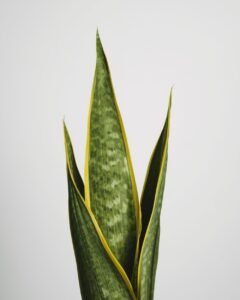
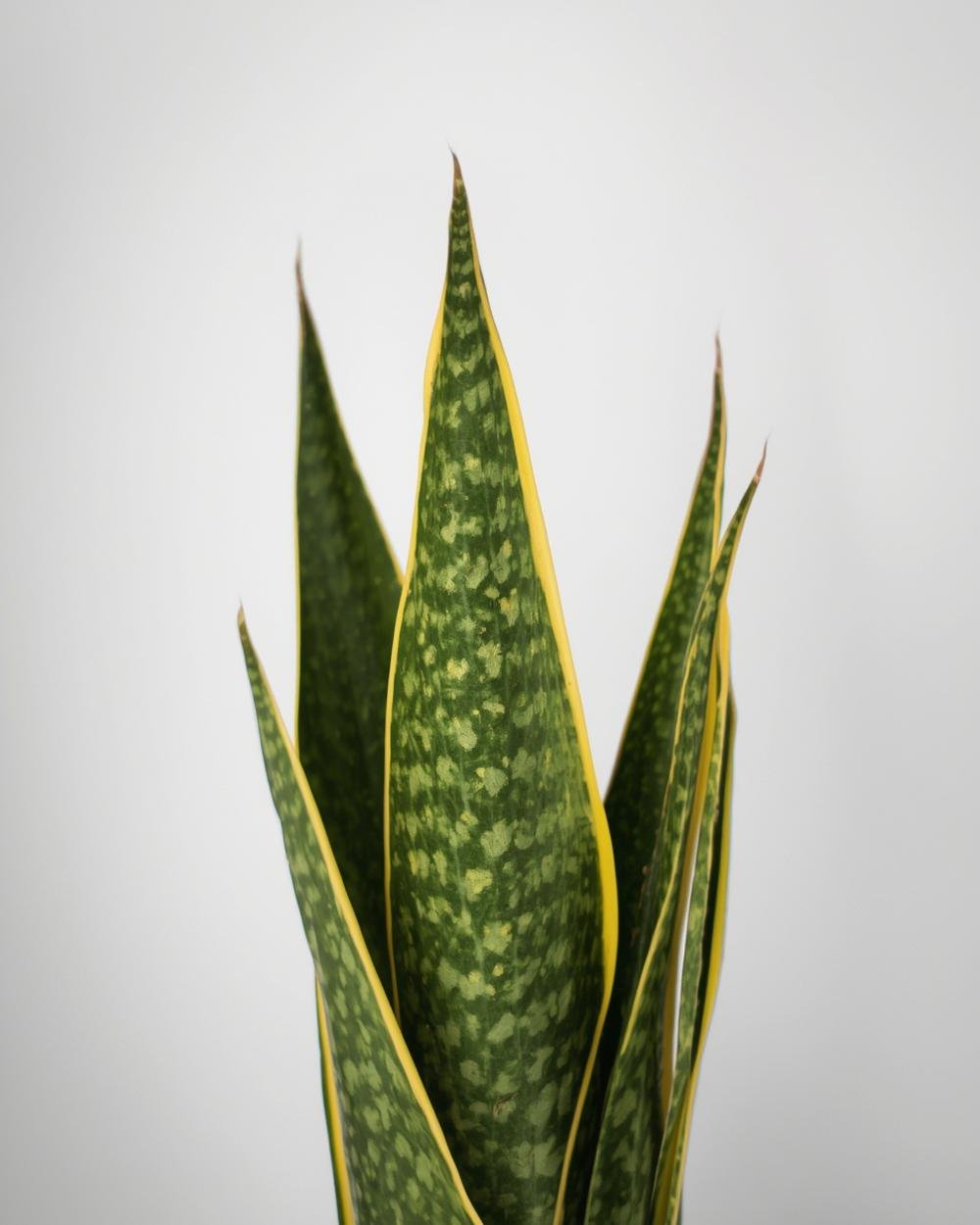
Welcome to the world of resilient greenery! If you’re searching for a houseplant that’s equal parts stylish and forgiving, look no further than the snake plant (Sansevieria trifasciata). Famous for its architectural, sword-like leaves and ability to thrive in almost any condition, this plant has become a staple in homes, offices, and even beginner plant collections. Beyond its striking looks, the snake plant benefits extend to air purification, low-light tolerance, and minimal watering needs. Whether you’re a seasoned plant parent or just starting your green journey, the snake plant is a must-have for its durability and versatile charm.
—
Step-by-Step Instructions
1. Choose the Right Pot and Soil
Snake plants prefer well-draining soil (like cactus or succulent mix) and pots with drainage holes. Their roots despise soggy conditions, so terra-cotta pots are ideal for wicking away excess moisture.
2. Lighting Conditions
While these plants tolerate low light, they grow faster and produce more vibrant leaves in bright, indirect sunlight. Avoid scorching direct afternoon sun, which can bleach their foliage.
3. Water Sparingly
Overwatering is the #1 killer of snake plants. Water only when the top 1–2 inches of soil feel dry—roughly every 2–4 weeks. Reduce frequency in winter.
4. Fertilize Minimally
Feed with a balanced liquid fertilizer diluted to half-strength once in spring and again in summer. Skip fertilizing in fall and winter.
5. Repot When Root-Bound
Snake plants grow slowly and enjoy being snug in their pots. Repot every 2–3 years or when roots start circling the container.
For maximum snake plant benefits , place your snake plant in bedrooms or living areas where its air-purifying qualities can shine.
—
Tips
– Propagate with Ease: Snake plants can be propagated via leaf cuttings or division. Cut a healthy leaf into 2-inch sections, let them callous for 1–2 days, then plant in moist soil.
– Dust the Leaves: Wipe leaves with a damp cloth monthly to keep them photosynthesizing efficiently.
– Pest Prevention: These plants are pest-resistant but occasionally attract mealybugs. Treat with neem oil or insecticidal soap.
– Temperature: Keep them in temperatures between 60–85°F (15–29°C). Avoid cold drafts below 50°F (10°C).
—
Alternative Methods
If you love the look of snake plants but want variety, consider these alternatives:
– ZZ Plant (Zamioculcas zamiifolia): Similar drought tolerance and glossy foliage.
– Cast Iron Plant (Aspidistra elatior): Thrives in deep shade and neglect.
– Spider Plant (Chlorophytum comosum): Offers air-purifying perks for hanging displays.
For a bold statement, mix snake plants with trailing pothos or colorful peperomias in your indoor jungle.
—
Conclusion
The snake plant isn’t just another pretty face—it’s a functional, adaptable companion that elevates your space while demanding little in return. From its NASA-approved air-cleaning abilities to its near-indestructible nature, the snake plant benefits make it a top contender for every plant lover’s collection. By following these simple care steps, you’ll enjoy its sculptural beauty and health perks for years to come. Ready to greenify your life? Start with this unbeatable gem. 🌿