Spider Plant Care: Easy Growing & Propagation Tips
Introduction
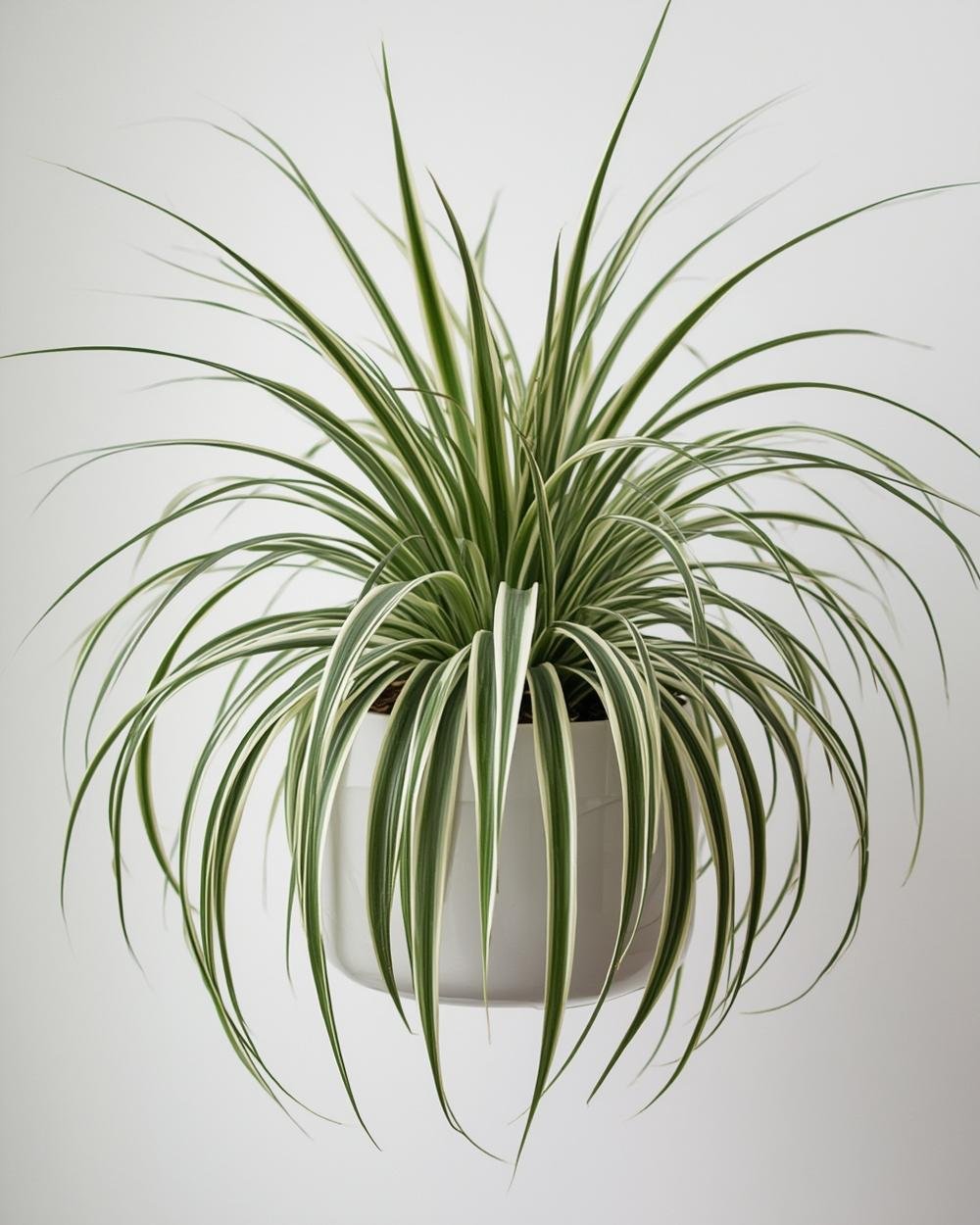
Houseplants have a magical way of transforming indoor spaces, but few are as resilient and versatile as the beloved spider plant. With its arching foliage and air-purifying capabilities, this low-maintenance gem is perfect for beginners and seasoned enthusiasts alike. One of its standout features? Effortless spider plant propagation, which lets you multiply your green collection at no cost. Whether you’re expanding your indoor jungle or sharing cuttings with friends, mastering propagation ensures your spider plant thrives for years.
—
Step-by-Step Instructions
Propagating your spider plant is simple, fast, and rewarding. Follow these steps to turn those dangling “spiderettes” into thriving new plants:
1. Identify Healthy Offshoots: Look for mature spiderettes (baby spider plants) with small roots forming at their base.
2. Prep Your Tools: Use clean scissors or shears to avoid introducing disease.
3. Snip the Stem: Cut the spiderette off the main plant, leaving 1–2 inches of stem attached.
4. Rooting Options:
– Water Propagation: Place the spiderette in a jar of water, submerging only the root nubs. Change water weekly.
– Soil Propagation: Plant directly into moist, well-draining soil, ensuring roots are lightly covered.
5. Monitor Growth: Roots will establish in 2–4 weeks. Keep soil slightly damp or water clean.
6. Transplant (if needed): Move water-propagated spiderettes to soil once roots reach 1–2 inches long.
For reliable guidance on spider plant propagation, the Royal Horticultural Society offers science-backed tips on timing and care.
—
Tips for Success
– Light: Bright, indirect light accelerates growth, but spider plants tolerate low light.
– Watering: Let soil dry between waterings—overwatering causes root rot.
– Fertilizer: Use diluted houseplant fertilizer monthly during spring/summer.
– Pests: Wipe leaves occasionally to deter spider mites, a rare but possible issue.
—
Alternative Methods
1. Division: Split an overgrown spider plant at the roots during repotting. Replant divisions immediately.
2. Seed Growing: Though less common, seeds can be sown in warm, humid conditions (a slow but fun experiment!).
—
Conclusion
With its forgiving nature and prolific reproduction, the spider plant remains a staple for indoor gardeners. By mastering spider plant propagation, you’ll enjoy an endless supply of greenery to decorate your home or gift to fellow plant lovers. So go ahead—snip those spiderettes, nurture them with confidence, and watch your botanical family grow!