Snake Plant Care Guide: Benefits, Watering & Light
Introduction
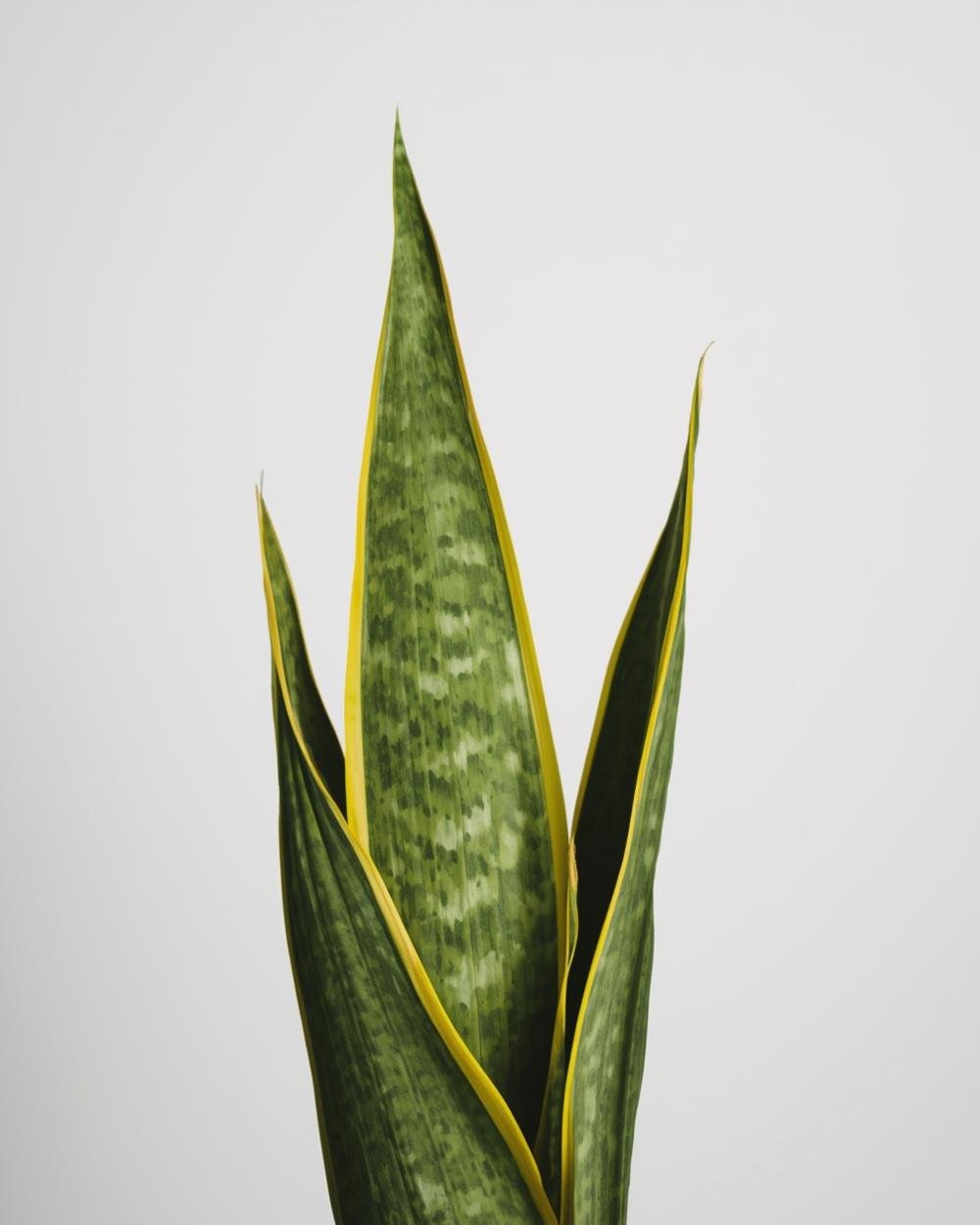
If you’re looking for a houseplant that thrives on minimal attention while delivering maximum impact, look no further than the versatile snake plant (Sansevieria trifasciata). Known for its striking sword-like leaves and air-purifying qualities, this hardy plant is perfect for beginners, busy homeowners, or anyone craving greenery without the hassle. Beyond its sculptural beauty, the snake plant benefits extend to improving indoor air quality and promoting better sleep—making it a superstar in the world of low-maintenance houseplants. Whether you’re redesigning your workspace or nurturing your first indoor jungle, this resilient plant deserves a spot in your collection.
Step-by-Step Instructions for Growing a Healthy Snake Plant
1. Choose the Right Pot and Soil: Snake plants prefer well-draining soil (like a cactus mix) and containers with drainage holes. Terra-cotta pots work well to prevent water retention, a common killer of these drought-tolerant plants.
2. Light Requirements: While this plant adapts to low light, bright indirect sunlight will encourage faster growth and more vibrant leaf patterns. Avoid direct afternoon sun, which can scorch leaves.
3. Water Sparingly: Overwatering is the top cause of snake plant failure. Water only when the top 1–2 inches of soil feel dry (typically every 2–4 weeks). Reduce frequency in winter.
4. Temperature and Humidity: Keep your snake plant in temperatures between 60–85°F (15–29°C). It tolerates average household humidity but thrives in drier conditions.
5. Fertilizing: Feed lightly with a balanced houseplant fertilizer during spring/summer (once every 2–3 months). Skip feeding in fall and winter.
By following these steps, you’ll unlock the full range of snake plant benefits, from its architectural appeal to its air-purifying prowess.
Tips for Long-Term Success
– Rotate Regularly: Turn your plant every few weeks to ensure even light exposure and symmetrical growth.
– Dust the Leaves: Wipe leaves with a damp cloth to keep them photosynthesizing efficiently.
– Watch for Pests: Spider mites and mealybugs are rare but possible. Treat infestations early with neem oil or insecticidal soap.
Alternative Growing Methods
Not a fan of soil? Try hydroponics! Snake plants can grow in water alone—just place a healthy cutting in a glass vessel, ensuring only the base is submerged. Change the water weekly to prevent stagnation. Alternatively, experiment with semi-hydroponic setups using LECA (clay pebbles) for a modern, low-fuss aesthetic.
Conclusion
The snake plant is more than just a decorative accent; it’s a forgiving, functional companion that elevates any living space. Whether you’re drawn to its sculptural form, its ability to filter toxins like benzene and formaldehyde, or its reputation as a “bedroom plant” for oxygenating air at night, the snake plant benefits make it indispensable for plant lovers and novices alike. Give it minimal care, and it’ll reward you with years of resilient beauty—proof that sometimes, less really is more.