Daily Exercise: A Small Habit That Can Add Years to Your Life

A major study published in the Journal of the American Medical Association found that just 15 minutes of daily exercise can add up to three years to your life expectancy. A little movement each day may be one of the most effective ways to boost long-term health—often more impactful than a single medication or supplement.
Below, experts and research explain why consistent physical activity benefits the whole body and how simple daily activity can fit into any routine.
Why Daily Exercise Often Trumps Other Health Risks
A preventive medicine specialist with more than 30 years of experience argues that consistent daily exercise has an outsized effect on longevity. Regular physical activity triggers multiple, measurable improvements across the body—better heart function, clearer blood sugar control, and a stronger immune response—that together reduce overall risk.
“Daily exercise is the single most important habit for extending lifespan,” the specialist says. “The research shows that regular activity creates a cascade of benefits throughout the body—from improved cardiovascular function to enhanced immune response and better metabolic health.”
This perspective shifts how we prioritize health: rather than relying solely on medical interventions or strict diets, making movement a daily habit can deliver broad, long-term benefits that support heart, metabolic, and mental health.
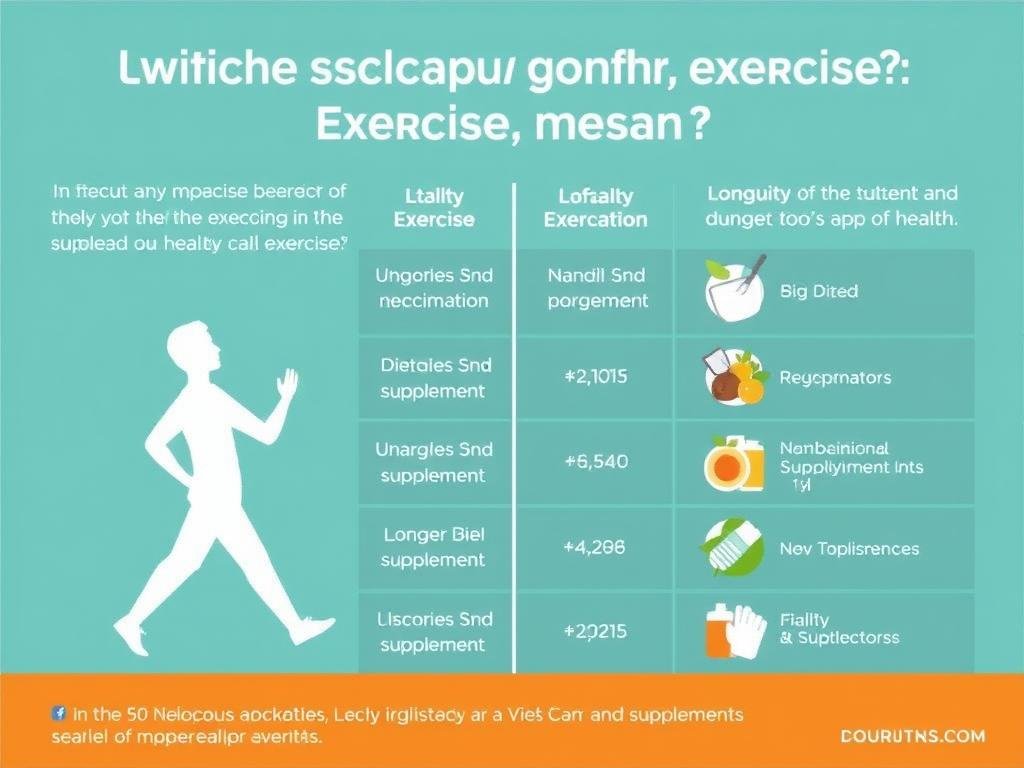
The Exercise Effect: Evidence suggests that about 30 minutes of moderate physical activity a day is linked with as much as a 30% lower risk of premature death in some studies—effects that accumulate regardless of other risk factors.
The Obesity Paradox: Active vs. Sedentary Lifespans
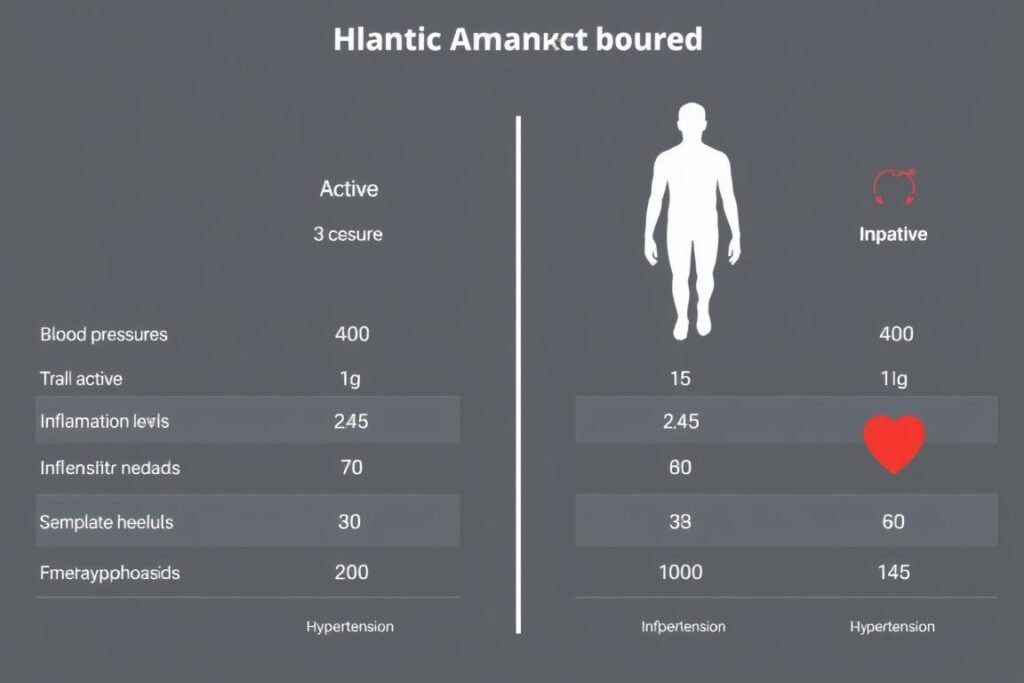
The term “obesity paradox” describes surprising research showing that being active can sometimes matter more than body weight alone. In some studies, people with obesity who maintain regular physical activity have lower mortality than normal-weight individuals who are inactive.
One analysis published in the European Heart Journal reported that obese individuals who exercise regularly have lower mortality rates than normal-weight people who are inactive, suggesting that daily exercise delivers protective effects that go beyond scale-based measures of health.
The preventive medicine specialist puts it plainly: “An obese person who exercises every day can live longer than a person of normal weight who is inactive. This isn’t to minimize the health benefits of maintaining a healthy weight, but rather to emphasize the extraordinary power of daily movement.”

This finding does not mean weight is irrelevant. Instead, it highlights that physical inactivity itself may be a particularly dangerous condition. Regular physical activity improves insulin sensitivity, supports cardiovascular function, and reduces systemic inflammation—effects that can offset many risks commonly linked with higher weight.
Benefits for Active Individuals Regardless of Weight
- Improved heart function and circulation for better cardiovascular health
- Better blood sugar regulation that supports metabolic health
- Reduced systemic inflammation that protects organs and tissues
- Enhanced immune function that helps fight infections
- Improved mental health and cognitive resilience
Risks for Inactive Individuals at Any Weight
- Accelerated muscle and bone loss, especially in the lower body and lower back
- Impaired metabolic function that raises long-term disease risk
- Higher chances of depression and anxiety linked to inactivity
- Compromised cardiovascular health regardless of current weight
- Reduced overall longevity compared with active peers
Smoking, Hypertension, and Exercise: A Surprising Longevity Advantage
Evidence suggests that regular daily exercise can blunt some of the harms associated with major risk factors such as smoking, high blood pressure, and high cholesterol. Increasing physical activity improves how the body handles stressors and can lower overall mortality risk even when other risks are present.
The preventive medicine specialist puts it starkly: “Even a person who smokes, has hypertension, and high cholesterol, but exercises every day, can outlive a person without those issues who is inactive.”

Large reviews and studies, including work published in the British Journal of Sports Medicine, indicate that higher levels of physical activity can substantially reduce the mortality risk linked to prolonged sitting and sedentary behavior. In some analyses, the risks associated with long periods of inactivity are markedly diminished when people meet recommended activity levels.
“Exercise acts as a powerful medicine that can counteract many of the negative effects of otherwise unhealthy behaviors or conditions. It’s not a complete shield, but it’s remarkably effective at extending lifespan even in the face of other health challenges.”
That said, exercise is not a substitute for quitting smoking, managing hypertension, or following medical advice. Aim to combine daily physical activity with appropriate medical treatment—simple actions like a brisk 30-minute walk most days can help improve blood pressure and cholesterol while you work with your clinician on other risk-reduction strategies.
A Doctor’s Personal Proof: Outliving Siblings by a Decade
Alongside the studies and statistics, the preventive medicine specialist shares a brief personal story that illustrates the potential impact of daily exercise.
“I have outlived my two brothers by over a decade. We shared the same genetics, grew up in the same household, and had similar diets. The main difference? I’ve exercised every single day since my twenties, while they remained largely sedentary throughout their lives.”
That anecdote underscores a central point: while many factors affect health, daily physical activity is one of the most controllable and influential behaviors an individual can adopt.

The specialist adds, “I’ve seen this pattern repeated countless times throughout my career. Patients who maintain daily exercise routines consistently outlive their sedentary counterparts, often by years or even decades, regardless of other health factors or genetic predispositions.”
Research from twin studies supports this observation: by controlling for genetics and early-life environment, those studies often find that the more active twin enjoys longer life and better health outcomes than the less active twin—evidence that lifestyle choices like regular exercise matter independently of inherited risk.
Simple Daily Exercise Recommendations Anyone Can Follow
You don’t need a gym membership or special equipment to gain the proven benefits of daily exercise. Consistency matters more than intensity: small, regular doses of movement help the body, support fitness, and lower long-term health risk.
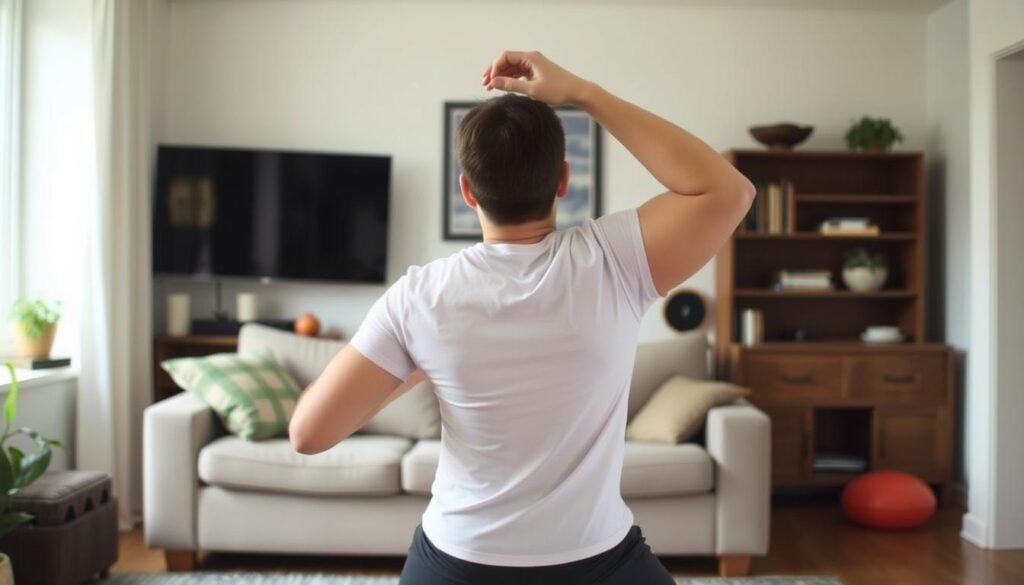
Start With These Simple Daily Activities:
Walking
A brisk 30-minute walk most days meets common recommendations and improves cardiovascular health. If 30 minutes feels like too much, try three 10-minute walks spread through the day—those short bouts of activity add up.
Bodyweight Exercises
Basic moves maintain strength and protect the lower body and lower back: try squats, modified push-ups, and planks. For example, start with wall push-ups, progress to knee push-ups, then full push-ups as strength improves.
Active Hobbies
Activities like gardening, dancing, or playing with grandchildren count as meaningful physical activity and make it easier to build a movement routine you enjoy.
Remember: Major health organizations recommend at least 150 minutes of moderate-intensity exercise per week. But any movement is better than none—even 5–10 minutes several times a day helps build habit and fitness.
Quick Beginner Routines and Form Cues
10-Minute Beginner Walk
Warm up 1–2 minutes at an easy pace, then walk briskly for 6–8 minutes. Cool down 1–2 minutes. Aim to repeat this twice a day if possible.
Basic Strength Circuit (10–15 minutes)
1) Squats: feet shoulder-width apart, hips back as you bend knees; return to starting position. 2) Wall or knee push-ups: keep a straight line from head to hips; arms extended at the top, slowly lower, then return to starting position. 3) Plank: hold a plank position on forearms or hands for 10–30 seconds, keeping core muscles engaged. Repeat the circuit 2–3 times.
Adaptations for Limited Mobility
Chair marches, seated leg lifts, and standing heel raises strengthen muscles safely. Always start with a comfortable starting position and repeat small movements—aim for gradual progress.
Simple Form Reminders
- Maintain a neutral spine—avoid straining the lower back; if you feel discomfort, reduce range of motion.
- For squats and lunges, bend knees gently and keep weight in your heels; return to starting position slowly.
- For push-ups and planks, keep a straight line from head to hips and hold position briefly before returning to starting position.
Try this easy challenge: commit to 10 minutes of movement today—walking, a short strength circuit, or an active hobby—and repeat it tomorrow. Small daily steps build a lasting routine that supports fitness, better sleep, and overall health.
Overcoming Common Obstacles to Daily Exercise
Even when people know the benefits, building a daily exercise routine can be hard. Below are practical, empathetic solutions to the barriers that most often get in the way—time, fatigue, boredom, and physical limitations—plus simple micro-habits to help you stick with movement throughout the day.

“I don’t have enough time.”
Break activity into short chunks. Three 10-minute walks spread across the day provide similar benefits to one 30-minute session, and brief “exercise snacks”—taking the stairs, a 5-minute stretch—add up. Try setting a daily 10-minute alarm as a simple cue to move.
Micro-habit: After lunch, walk briskly for 10 minutes. Repeat once in the afternoon.
“I’m too tired to exercise.”
Regular physical activity usually raises energy over time. Start with gentle movement—stretching, a short walk, or a 5-minute standing march. Even low-intensity activity often provides an immediate energy boost and improves sleep, which helps reduce fatigue long term.
Micro-habit: Do 3 minutes of gentle stretches when you first wake up—shoulders relaxed, knees bent slightly as needed.
“Exercise is boring.”
Choose activities you enjoy so exercise feels like something you want to do, not have to do. Dance to music, walk with a friend, or listen to podcasts while moving. Vary your routine to keep it interesting and sustainable.
Micro-habit: Replace one TV episode with a 20-minute walk while listening to a favorite podcast.
“I have physical limitations or health concerns.”
Talk with a healthcare provider about safe, adapted options. Chair exercises, water aerobics, and seated strength moves are excellent choices for people with joint pain or mobility limits. Focus on maintaining balance and protecting the lower back—use a stable chair and avoid sudden twists.
Adapted move: Chair march—sit tall, lift one knee, then the other, repeat for 30–60 seconds; repeat throughout day to build movement without injury risk.
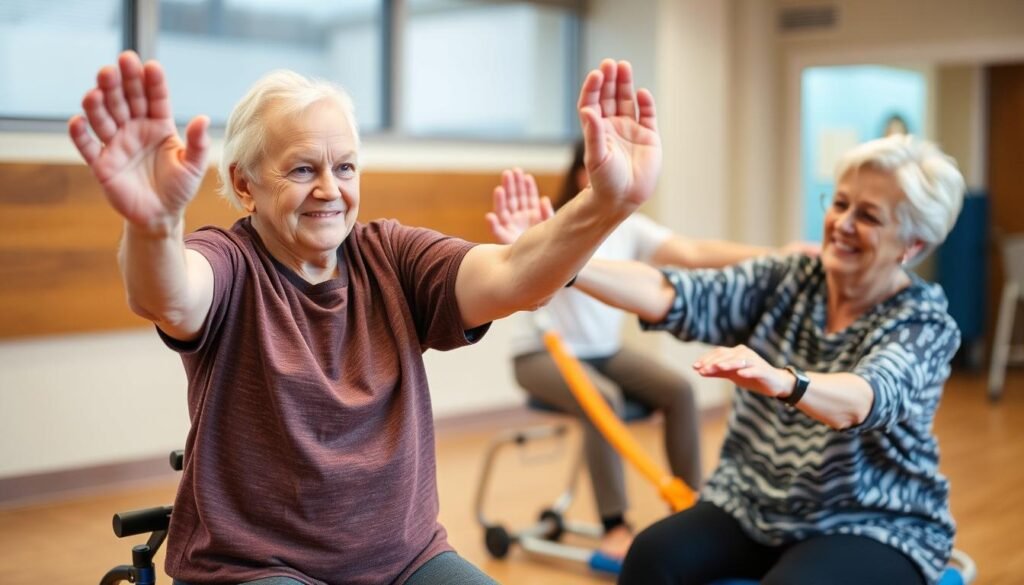
Safety tips to reduce risk of injury: always begin with a clear starting position, move slowly when you change positions, keep knees bent when appropriate, and stop if you feel sharp pain—especially in the lower back. Small, consistent steps build a reliable routine that fits into daily life.
Tracking Your Progress: The Motivation Multiplier
Keeping a simple record of your daily activity makes it far easier to turn movement into a lasting habit. Studies suggest people who track their physical activity are substantially more likely to stick with an exercise routine over time.

Simple Tracking Methods
- Mark a calendar or paper planner on days you exercise
- Keep a short journal noting minutes and how you felt
- Use a pedometer or basic fitness tracker for steps
- Try a smartphone app—choose one that respects privacy or use local-only logging
What to Track
- Minutes of activity per day (start with a small target)
- Steps taken and gradual increases (for example, +200 steps/day)
- Types of exercises performed and which body areas felt worked
- How you feel before and after—energy, mood, sleep quality
A Tiny Starter Plan
Week 1: mark any 3 days you move and note minutes. Week 2: add duration to each entry. Week 3: aim to increase one session by 5 minutes or add a short strength exercise and record position and hold times (for example, a 15–30 second plank position with a straight line from head to hips).
Tracking helps you notice improvements in fitness and balance, encourages using core muscles intentionally, and prompts safe form cues—return to starting position between reps, repeat side movements evenly, and stop if you feel pain in the lower back. Small, consistent records are a powerful motivation multiplier.
Start Today: Your Life Depends On It
The evidence is clear: making daily exercise a habit is one of the most powerful steps you can take to extend life and improve its quality. Research and clinicians alike show that regular movement benefits the whole body, lowers many health risks, and often adds meaningful years to life.

Consistency matters more than intensity—aim for a sustainable routine rather than perfection. Meeting guidelines like at least 150 minutes per week is a great goal, but even 10 minutes of focused movement today helps your fitness, supports better sleep, and reduces long-term risk.
Your Life-Extending Journey Begins With a Single Step
Try 10 minutes of movement now—walk, do a short strength circuit, or an adapted chair routine if needed—and put it on your schedule for tomorrow.
If you have health concerns or recent injuries—especially lower back issues—check with a healthcare provider before starting. Use safe form cues (keep a straight line from head to hips in planks, return to starting position between reps, avoid sudden pushes or twists) and scale movements for your upper body, lower body, and core. Small, consistent steps are what build lasting benefit.