5 Causes of Chronic Bad Breath (Halitosis) and How Dentists Diagnose It

Chronic bad breath, medically known as halitosis, goes beyond the temporary odor after eating garlic or onions. It’s a persistent condition that affects millions of people worldwide, causing social anxiety and reduced quality of life. Understanding the root causes of halitosis and how dental professionals diagnose it is the first step toward finding an effective solution. This article explores the primary culprits behind chronic bad breath and the diagnostic tools dentists use to identify and treat this common but often misunderstood condition.
Bacteria: The Primary Culprit Behind Chronic Bad Breath
Almost all cases of persistent halitosis can be traced back to one main source: bacteria in the mouth. These microorganisms break down food particles and proteins, releasing volatile sulfur compounds (VSCs) that create the characteristic foul odor associated with bad breath.
The human mouth naturally contains hundreds of bacterial species. Most are harmless or even beneficial, but some produce waste products with distinctly unpleasant smells. These bacteria typically reside on the tongue’s surface, especially toward the back where the tongue has a rougher texture with numerous tiny grooves and crevices.

The back of the tongue creates an ideal environment for anaerobic bacteria—microorganisms that thrive without oxygen. These bacteria produce sulfur compounds that give breath its foul odor. While regular brushing helps remove bacteria from teeth, many people neglect proper tongue cleaning, allowing these odor-producing bacteria to multiply unchecked.
Is Chronic Bad Breath Affecting Your Confidence?
Don’t let bad breath control your social interactions. Professional dental evaluation can identify the exact bacterial cause and provide targeted treatment.
Gum Disease: A Major Source of Oral Malodor
Periodontal disease (gum disease) ranks as one of the most significant causes of chronic bad breath. This progressive condition begins with gingivitis—inflammation of the gums caused by bacterial plaque buildup along the gumline. If left untreated, it advances to periodontitis, where the infection damages the soft tissue and bone supporting the teeth.

The connection between gum disease and bad breath is direct. The bacteria responsible for periodontal disease release the same sulfur compounds that cause halitosis. Additionally, as gum disease progresses, it creates deeper pockets between teeth and gums where food particles and bacteria can hide, further contributing to malodor.
Many people with chronic bad breath are unaware they have underlying gum disease. The condition can develop slowly with minimal symptoms beyond bad breath until it reaches advanced stages. Regular dental checkups are crucial for early detection and treatment before significant damage occurs.
“Undiagnosed gum disease is one of the most common causes of persistent bad breath that doesn’t respond to regular brushing and mouthwash use.”
Dietary Factors Contributing to Chronic Bad Breath
What you eat plays a significant role in how your breath smells, both temporarily and chronically. Certain dietary choices can contribute to persistent halitosis in several ways:
Strong-Smelling Foods
Foods like garlic, onions, and certain spices contain potent compounds that enter your bloodstream after digestion. These compounds are then carried to your lungs, where they’re expelled when you breathe, causing odor that can last for hours or even days after consumption.

Restrictive Diets
High-protein or ketogenic diets can lead to a condition called ketosis, where your body burns fat for energy instead of carbohydrates. This metabolic state produces ketones, which have a distinctive fruity or acetone-like smell that’s released through breath. Similarly, extreme fasting or very low-carb diets can trigger this same process.
Irregular Eating Patterns
Skipping meals, particularly breakfast, reduces saliva production. Saliva naturally cleanses the mouth by washing away food particles and bacteria. When you don’t eat regularly, decreased saliva flow allows bacteria to multiply, increasing the production of odor-causing compounds.
Did you know? Even after brushing and flossing, the compounds from foods like garlic can continue to cause bad breath for up to 24 hours because they’re being released from your lungs, not just your mouth.
Poor Oral Hygiene and Its Impact on Breath
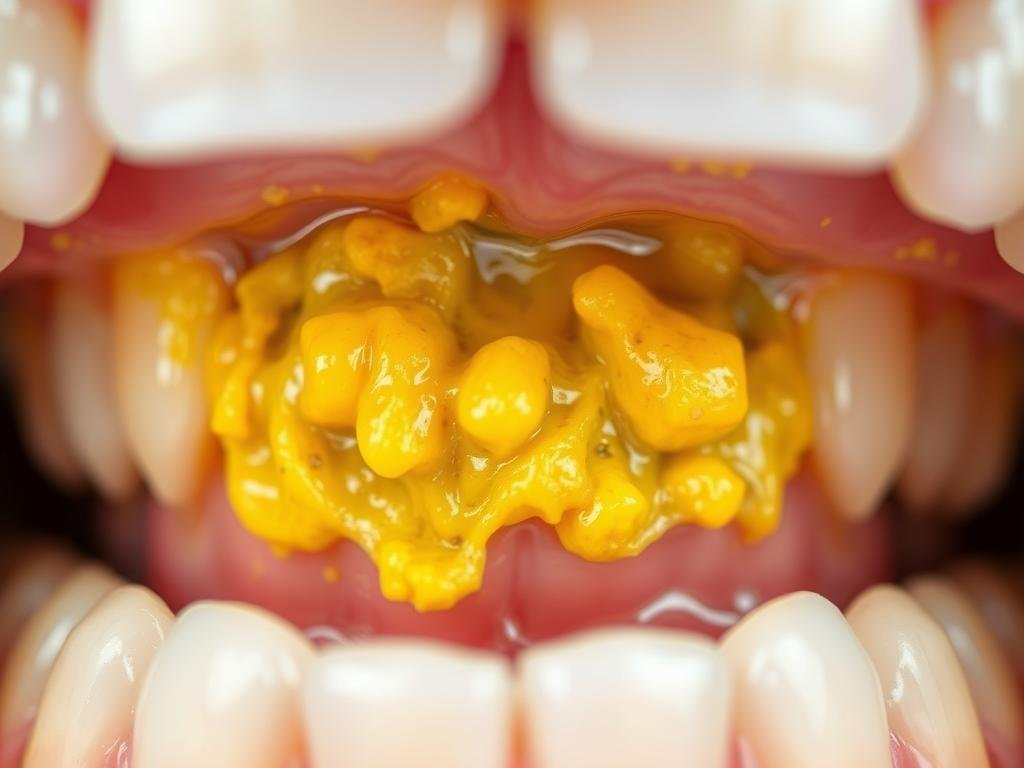
Inadequate oral hygiene is a leading contributor to chronic bad breath. When proper cleaning routines are neglected, food particles remain in the mouth, becoming breeding grounds for odor-producing bacteria.
Common Oral Hygiene Oversights
- Infrequent or hurried brushing that fails to clean all surfaces
- Neglecting to floss, leaving food trapped between teeth
- Forgetting to clean the tongue, especially the back portion
- Using a toothbrush beyond its effective lifespan (3-4 months)
- Skipping regular dental cleanings and checkups
How Poor Hygiene Leads to Bad Breath
When food particles remain in the mouth, bacteria break them down, releasing volatile sulfur compounds. Additionally, plaque—a sticky film of bacteria—builds up on teeth and gums, contributing to both bad breath and tooth decay.
Over time, plaque hardens into tartar (calculus), which can only be removed by professional cleaning. This rough surface provides an ideal environment for more bacteria to accumulate, creating a cycle of increasing oral malodor.
Struggling With Persistent Bad Breath?
Professional dental cleaning can remove hardened plaque and tartar that home care can’t address, often providing immediate improvement in breath freshness.
Medical Conditions That Cause Chronic Bad Breath
While most cases of halitosis originate in the mouth, certain systemic health conditions can also contribute to chronic bad breath. These medical issues often produce distinctive odors that trained professionals can recognize.

Diabetes
Uncontrolled diabetes can lead to ketoacidosis, causing a sweet, fruity breath odor. Additionally, diabetes increases the risk of gum disease and dry mouth, both contributors to bad breath.
Respiratory Infections
Sinus infections, bronchitis, and pneumonia can produce distinct odors as bacteria multiply in mucus and phlegm. Post-nasal drip allows this bacteria-laden mucus to reach the back of the tongue.
Digestive Disorders
GERD (gastroesophageal reflux disease) allows stomach acids and undigested food to flow back into the esophagus, creating a sour smell. H. pylori infections and other digestive issues can also affect breath.
Other conditions that may cause halitosis include kidney or liver disease (which can create a fishy or ammonia-like odor), certain cancers, and metabolic disorders. If bad breath persists despite improved oral hygiene, it’s important to consult with healthcare professionals to rule out these underlying medical causes.
How Dentists Diagnose Chronic Bad Breath
Professional diagnosis is crucial for effectively treating chronic bad breath. Dentists and specialists use several methods to identify the specific causes of halitosis and develop targeted treatment plans.
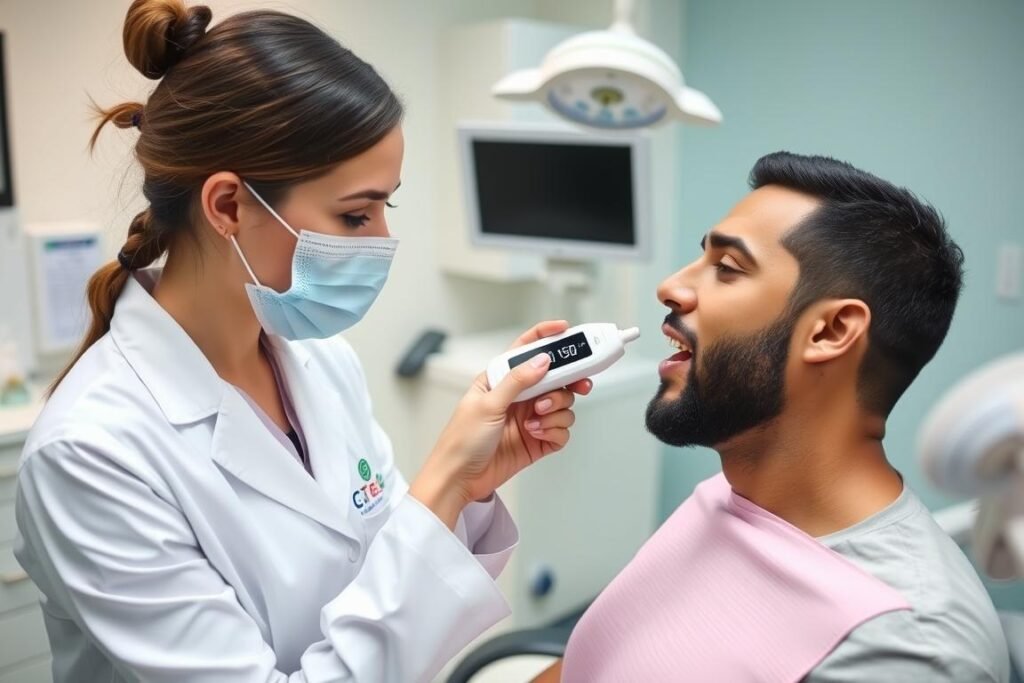
The Halimeter Test
The Halimeter is a specialized device that measures the levels of volatile sulfur compounds (VSCs) in a person’s breath. The patient breathes into a tube connected to the machine, which provides a numerical reading of sulfur compound concentration. Higher readings indicate more severe halitosis. This objective measurement helps dentists quantify the problem and track improvement with treatment.
The BanaZyme Test
This diagnostic tool identifies specific bacteria known to cause bad breath. The test detects an enzyme (benzoyl-DL-arginine-naphthylamide) produced by these bacteria. A small sample is collected from the patient’s tongue or gum pockets and applied to a test strip. A color change indicates the presence of odor-causing bacteria, helping dentists target treatment appropriately.

The Sniff Test
Though less technical, the direct organoleptic test (sniff test) remains a valuable diagnostic tool. A trained dental professional evaluates breath odor by smelling samples of air from the patient’s mouth and nose. This method helps distinguish between oral and non-oral sources of bad breath and can identify specific odor characteristics that point to certain causes.
How is the sniff test performed professionally?
During a professional sniff test, the dentist will typically ask the patient to breathe through their mouth and then through their nose onto a sampling tube or directly while the dentist evaluates from a short distance. The dentist may also collect samples from different areas of the mouth using a spoon or cotton swab to identify specific problem areas. This is done systematically with standardized scales to rate odor intensity.
After diagnosis, dentists develop personalized treatment plans that address the specific causes identified. This might include professional cleaning, specialized oral hygiene instructions, treatment for gum disease, or referral to other medical specialists if systemic issues are suspected.
Get an Accurate Diagnosis for Your Bad Breath
Modern diagnostic tools can pinpoint the exact cause of your chronic bad breath, leading to more effective treatment. Don’t self-diagnose—seek professional evaluation.
Conclusion: Bad Breath Can Be Eliminated
The good news about chronic bad breath is that it can be effectively treated in virtually every case once properly diagnosed. Whether caused by oral bacteria, gum disease, dietary factors, poor oral hygiene, or underlying medical conditions, halitosis responds well to targeted interventions.

Professional dental care plays a crucial role in eliminating chronic bad breath. Regular cleanings remove plaque and tartar that harbor odor-causing bacteria. Dentists can also identify and treat gum disease, which is a major contributor to halitosis. For cases related to medical conditions, collaboration between dental and medical professionals ensures comprehensive care.
With proper diagnosis and treatment, even persistent “morning breath” can be significantly reduced or eliminated. The key is seeking professional evaluation rather than continuously masking the problem with temporary solutions like mints or mouthwash.
Take the First Step Toward Fresh Breath
Don’t let chronic bad breath affect your confidence and quality of life any longer. Professional diagnosis and treatment can provide lasting results.