Trump Weight Loss Drug Price Deal: Expanding Access to Obesity Medications

President Donald Trump announced a landmark agreement with pharmaceutical giants Eli Lilly and Novo Nordisk to significantly reduce prices for popular weight loss medications and expand Medicare coverage. This deal could transform access to GLP-1 drugs like Wegovy and Zepbound for millions of Americans struggling with obesity and related health conditions.
Key Details of the Trump Weight Loss Drug Price Deal
The agreement with Eli Lilly and Novo Nordisk represents a significant shift in how these increasingly popular but expensive medications will be priced and covered. Under the deal, the monthly out-of-pocket cost for these drugs could range from $50 to around $350, depending on dosage and insurance coverage.
Medicare Coverage Expansion
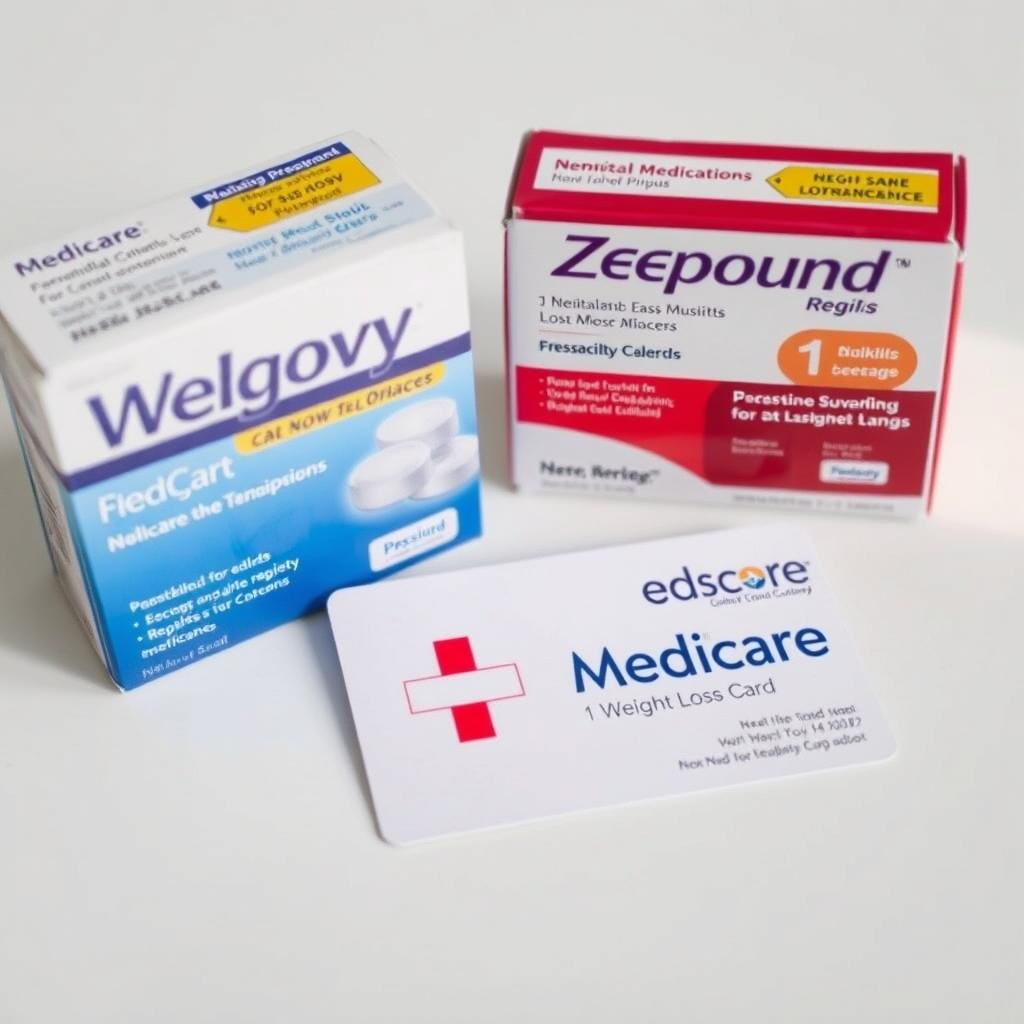
For the first time, Medicare will cover these medications for obesity treatment for eligible beneficiaries starting in mid-2026. Currently, Medicare is prohibited from covering drugs solely for weight loss, though it does cover them for diabetes and certain other conditions.
Medicare patients will pay no more than a $50 copay for these medications when prescribed for qualifying conditions. This represents substantial savings compared to current costs.
Price Reductions Through TrumpRx
The deal includes price reductions through the government’s TrumpRx platform, which allows patients to purchase medications directly from manufacturers:
| Timeframe | Average Monthly Cost | Compared to Current Prices |
| Initial Launch (End of 2025) | $350 | ~65% reduction from $1,000+ list price |
| Within 24 Months | $245 | ~75% reduction from $1,000+ list price |
| Pill Formulations (If Approved) | $149 (starting doses) | New formulation, not currently available |
Stay Informed About Implementation
Get updates on the TrumpRx platform launch and Medicare coverage expansion for weight loss medications.
Who Will Be Eligible Under the Trump Weight Loss Drug Price Deal?
The Medicare coverage expansion includes specific eligibility criteria. According to senior administration officials, approximately 10% of Medicare enrollees will qualify under these guidelines.

Who qualifies for Medicare coverage under this deal?
Medicare beneficiaries will be eligible for coverage if they meet one of these criteria:
- Have a BMI over 27 with established prediabetes or cardiovascular disease
- Have a BMI over 30 with uncontrolled hypertension, kidney disease, or heart failure
- Have a BMI over 35 (severe obesity)
When will these coverage changes take effect?
The administration expects direct-to-consumer pricing to be available by the end of 2025 on the TrumpRx site, with Medicare coverage becoming available by mid-2026.
Will Medicaid also cover these medications?
State Medicaid programs will have the option to opt in separately to this coverage expansion. Medicaid patients typically do not pay a copay for covered medications.
Check Your Potential Eligibility
Answer a few questions to see if you might qualify for coverage under the new guidelines.
Impact on Americans Struggling with Obesity
This deal could significantly impact the more than 100 million American adults living with obesity, according to federal estimates. The high cost of these medications has been a major barrier to access, even as their effectiveness for weight loss and health improvement has been well-documented.

Obesity in America: By the Numbers
- Over 100 million American adults are living with obesity
- Obesity rates are slightly higher for middle-income Americans
- Obesity increases risk for heart disease, diabetes, and other conditions
- GLP-1 medications have shown 15-22% weight reduction in clinical trials
- Current list prices exceed $1,000 monthly, making them unaffordable for many
“This is not about losing weight. It is about making America healthier. This is about preventing a stroke. This is about preventing heart attacks and disease. About preventing end stage renal disease.”
Expert Perspectives on the Deal
Dr. Art Caplan
Head of Medical Ethics, NYU Langone
“The price reduction is important, and the manufacturers seem willing, but they’re still very expensive. The details are totally obscure and it’s a little hard to predict: Will it help or won’t it help?”
Dr. Stacie Dusetzina
Health Policy Professor, Vanderbilt University
“$250 to $350 a month is still a lot of money for many people. The good news is that people who want to use these medications and have the money can access them through direct-to-consumer avenues.”
Dr. Bobby Mukkamala
President, American Medical Association
“Reducing the cost and leveraging the scale of Medicare and Medicaid to boost access to game-changing weight loss drugs is a transformative step in the battle against chronic disease and obesity.”
Political and Economic Context of the Trump Weight Loss Drug Price Deal
This announcement comes as part of Trump’s broader “most favored nation” initiative to lower prescription drug prices and bring them more in line with other developed nations. The president revived this effort through an executive order in May after unsuccessfully pursuing it during his first term.
Comparison with Previous Approaches
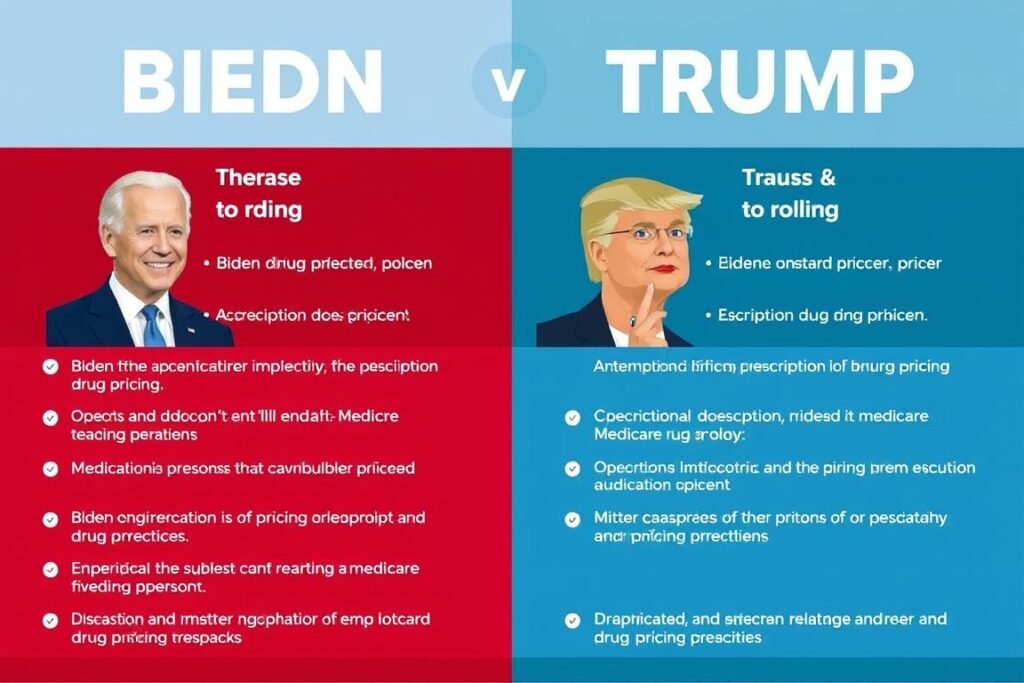
The Biden administration had previously proposed expanding Medicare and Medicaid coverage for GLP-1 drugs, but the Trump administration later rejected that plan. Instead, Trump has focused on executive orders and voluntary pricing agreements with manufacturers.
The current deal is separate from the Medicare drug pricing negotiations under the Inflation Reduction Act, which President Biden signed into law in 2022. Those negotiations were expected to finalize new prices for 15 drugs—including GLP-1s—by November 30.
Economic Considerations
The administration claims these deals will be budget-neutral within two years due to health improvements and reduced spending on other medical services. Dr. Mehmet Oz, who leads the Centers for Medicare and Medicaid Services, stated: “These drugs will not cost us money. The American taxpayers will be getting their money back.”

Additional Benefits for Manufacturers: As part of the deal, both Eli Lilly and Novo Nordisk will receive a three-year exemption from certain pharmaceutical tariffs.
Implementation Timeline and Potential Challenges
While the deal promises significant benefits, several questions remain about implementation details and potential challenges.
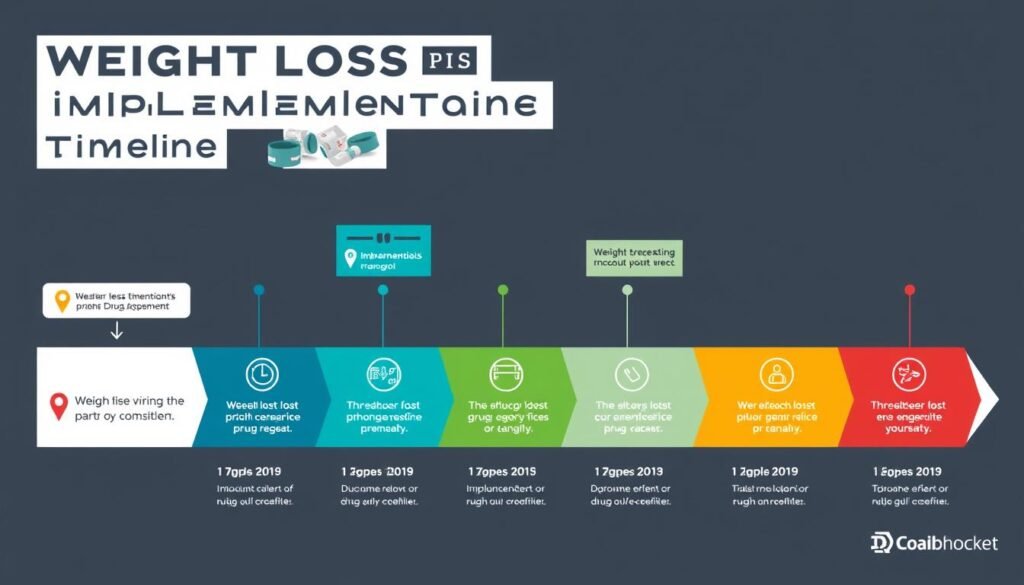
| Milestone | Expected Timeline | Potential Challenges |
| TrumpRx Platform Launch | End of 2025 | Technical implementation, user adoption |
| Medicare Coverage Expansion | Mid-2026 | Statutory prohibition on weight loss drug coverage |
| Price Reduction to $245 | Within 24 months of launch | Manufacturer compliance, market conditions |
| Pill Formulation Approval | Pending FDA review | Clinical trial results, regulatory hurdles |
Outstanding Questions
How will Medicare overcome the statutory prohibition against covering weight loss drugs?
Novo Nordisk mentioned that Medicare coverage for weight loss would be enabled through a pilot program, but specific details on how the administration plans to navigate around the current statutory prohibition remain unclear.
Will coverage be voluntary or required for Medicare plans?
It’s not yet clear whether this will be a voluntary expansion or if plans will be required to cover these drugs for people with obesity or who are overweight with qualifying conditions.
How will this affect 2026 Medicare premiums and copays?
Health policy experts have raised questions about how the plan would work next year, since Medicare has already set premiums and copays for 2026.
Consult a Healthcare Professional
Speak with your doctor about whether these medications might be appropriate for your health needs and how these coverage changes might affect you.
Healthcare Provider Perspectives on the Trump Weight Loss Drug Price Deal
Medical professionals who treat patients with obesity have emphasized the need for improved access to these medications. Many patients currently struggle with affordability even when insurance provides some coverage.

“Every visit it’s, ‘How long can we continue to do this? What’s the plan if I can’t continue?’ Some of them are working additional jobs or delaying retirement so they can continue to pay for it.”
Clinical Benefits of GLP-1 Medications
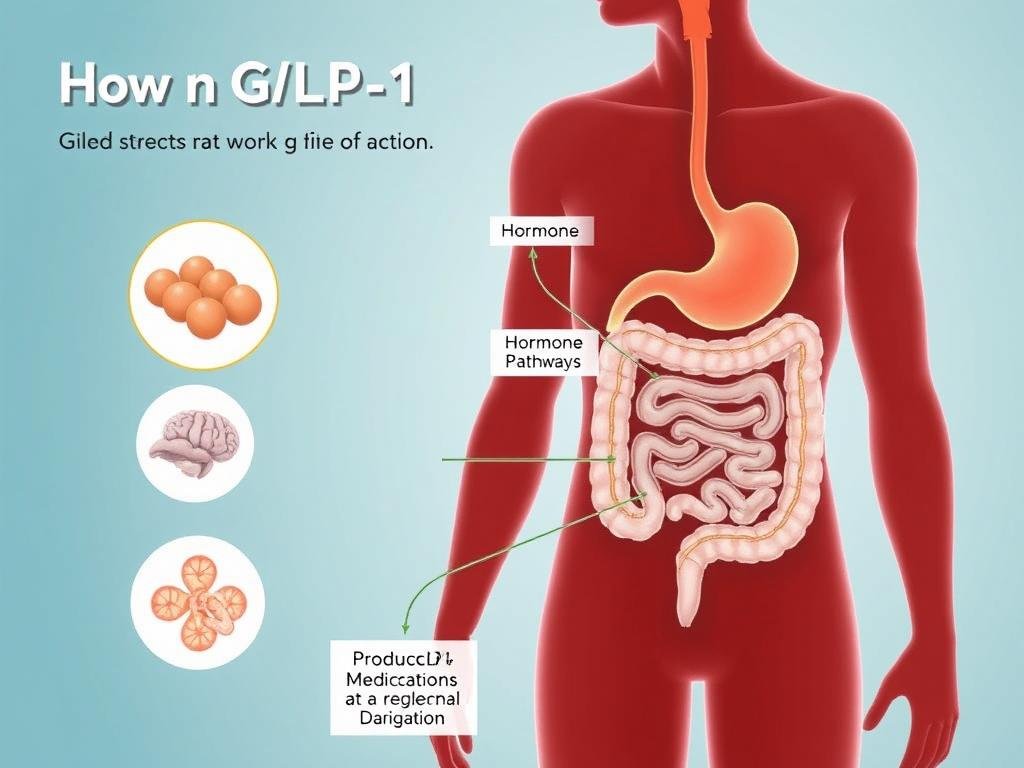
These medications work by targeting hormones in the gut and brain that affect appetite and feelings of fullness. In clinical trials, they helped people shed 15% to 22% of their body weight—up to 50 pounds or more in many cases. However, patients typically need to stay on the treatments indefinitely or risk regaining weight.
Beyond Weight Loss: Health Benefits
- Reduced risk of cardiovascular events
- Improved blood sugar control
- Potential kidney protection benefits
- Reduced blood pressure in many patients
- Improvements in sleep apnea for some patients
Important Note: These medications are intended for medical treatment of obesity and related conditions, not for cosmetic weight loss. The coverage expansion specifically targets patients with obesity-related health complications.
The Future of Weight Loss Drug Access Under the Trump Deal
The agreement between the Trump administration and pharmaceutical companies Eli Lilly and Novo Nordisk represents a significant shift in how weight loss medications are priced and covered in the United States. While many details remain to be clarified, the deal promises to expand access to these increasingly popular treatments for millions of Americans.

As implementation progresses, patients, healthcare providers, and policy experts will be watching closely to see how the promised benefits materialize and what impact they have on both individual health outcomes and broader healthcare spending.
Stay Informed on Healthcare Policy
Get regular updates on healthcare policy changes that could affect your access to medications and treatments.