Peace Lily Plant Care: Light, Water & Growth Tips
Introduction
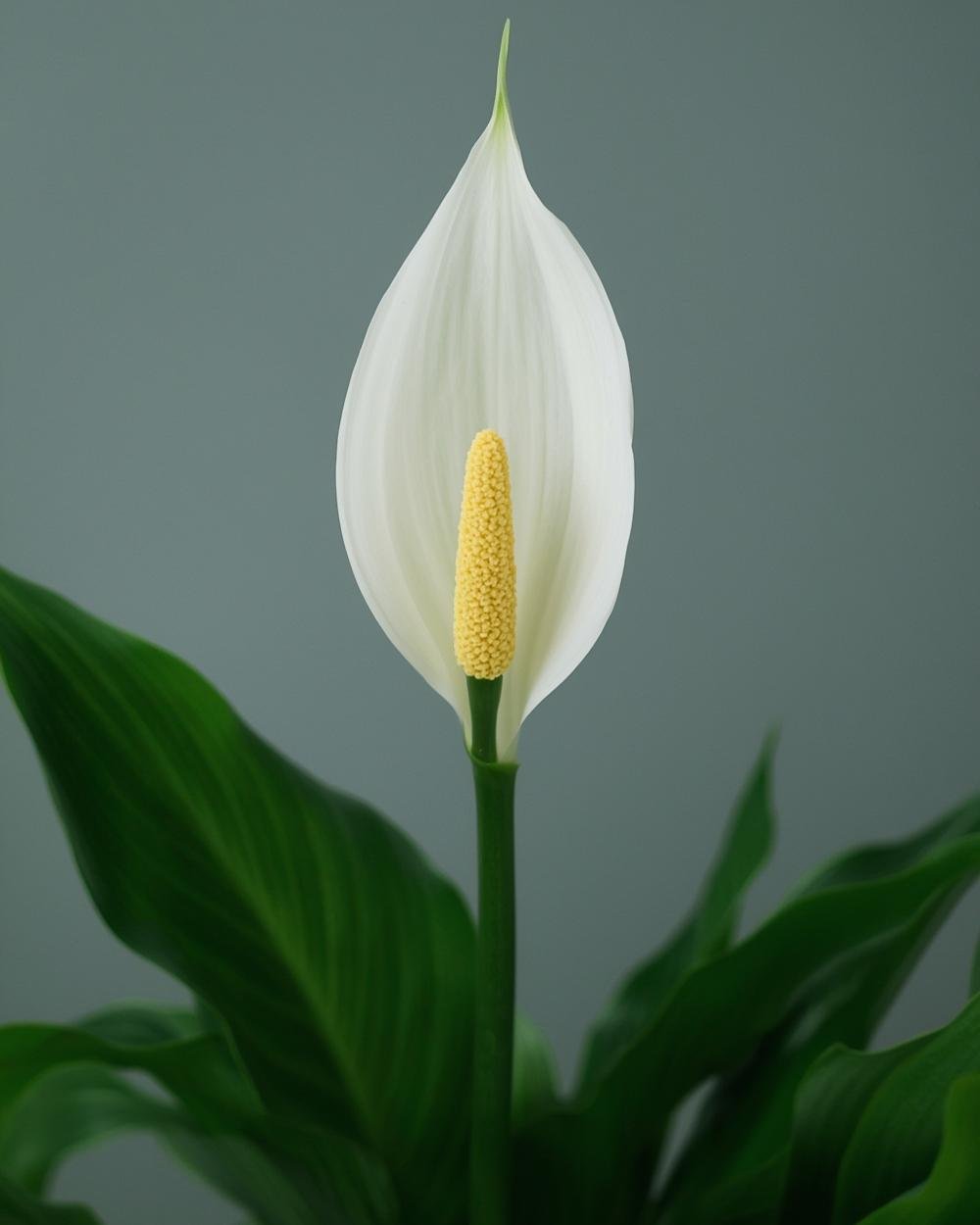
If you’re searching for a low-maintenance houseplant that purifies the air and elevates your home’s aesthetic, look no further than the peace lily plant. Known scientifically as Spathiphyllum, this tropical beauty thrives indoors with minimal effort, making it ideal for beginners and seasoned plant enthusiasts alike. Its glossy green leaves and elegant white blooms add tranquility to any space, but success hinges on mastering essential peace lily care indoors. In this guide, you’ll learn how to keep your plant thriving year-round—even if you’ve struggled with houseplants before!
—
Step-by-Step Instructions
1. Lighting: Indirect Sunlight Is Key
Peace lilies dislike direct sun, which scorches their leaves. Place them 5–8 feet from a north- or east-facing window. If your peace lily plant stops blooming or leans toward light, it needs brighter indirect exposure.
2. Watering: Listen to Your Plant
These plants “wilt” dramatically when thirsty—a clear sign it’s time to water. Use room-temperature water and soak the soil until it drains freely from the pot’s base. For optimal peace lily care indoors, let the top inch of soil dry between waterings to prevent root rot.
3. Humidity: Replicate the Tropics
Peace lilies thrive in 50–60% humidity. Group them with other plants, use a pebble tray, or mist leaves weekly. Brown leaf tips signal dry air—a common issue in air-conditioned or heated rooms.
4. Fertilizing: Less Is More
Feed monthly in spring/summer with a balanced liquid fertilizer diluted to half-strength. Over-fertilizing causes leaf burn, while underfeeding leads to fewer blooms.
—
Tips for Success
– Repotting: Upgrade pots every 2–3 years in spring when roots outgrow the container.
– Cleaning Leaves: Wipe dust off leaves monthly with a damp cloth to boost photosynthesis.
– Troubleshooting: Yellow leaves? Overwatering. Drooping? Underwatering. No flowers? More light needed.
—
Alternative Methods
Growing in Water
Peace lilies adapt well to hydroponics. Place the plant (root-rinsed) in a vase with water and liquid fertilizer. Change water weekly to avoid algae.
Low-Light Adaptation
While they prefer bright indirect light, peace lilies tolerate low-light corners better than most flowering plants—just expect slower growth and fewer blooms.
Air-Purifying Power
A NASA Clean Air Study standout, the peace lily plant removes toxins like benzene and formaldehyde. Ideal for bedrooms or offices!
—
Conclusion
Mastering peace lily care indoors is simpler than you think—balance light, water, and humidity, and this resilient plant will reward you with year-round beauty. Whether you’re a busy parent, a first-time plant owner, or a design enthusiast, the versatile peace lily plant is a timeless addition to any indoor jungle. Start small, observe your plant’s cues, and enjoy the calming presence it brings!