Snake Plant Care Guide: Benefits, Watering & Light
Introduction
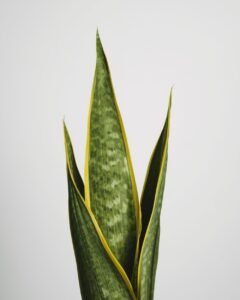
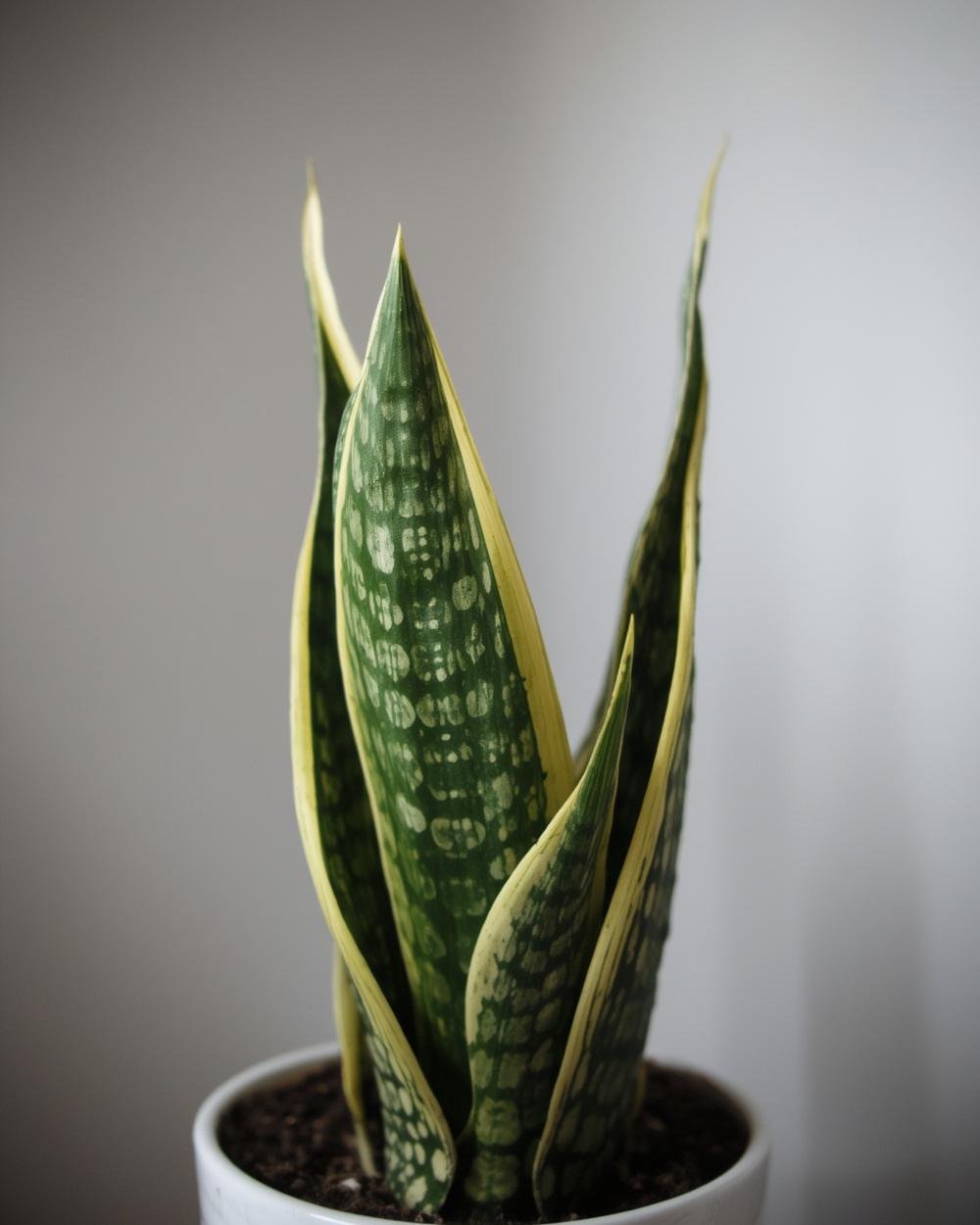
In the world of houseplants, few varieties match the versatility and resilience of the snake plant (Sansevieria trifasciata), also known as “Mother-in-Law’s Tongue.” This low-maintenance superstar thrives in nearly any environment—from dim office corners to sun-drenched living rooms—and has surged in popularity among urban gardeners and green-thumbed beginners alike. Beyond its striking architectural appeal, the snake plant benefits extend to air purification, as NASA research highlights its ability to filter indoor toxins like formaldehyde and benzene. Whether you’re a busy professional or an overwaterer, this hardy plant rewards neglect as much as care, making it a top choice for sustainable indoor gardening.
Step-by-Step Instructions
Growing a thriving snake plant requires minimal effort, but a few key practices ensure long-term success:
1. Soil & Potting: Use well-draining soil (e.g., cactus or succulent mix) in a container with drainage holes. Snake plants despise soggy roots—root rot is their only real weakness.
2. Light: While adaptable, bright indirect light encourages faster growth. It tolerates low light but may lose variegation. Avoid harsh direct sun, which can scorch leaves.
3. Watering: Water deeply every 3–6 weeks, letting the soil dry completely between sessions. Reduce frequency in winter. Remember: the snake plant thrives on “less is more.”
4. Temperature & Humidity: Average household conditions (60–85°F) are ideal. Avoid temperatures below 50°F.
5. Fertilization: Feed sparingly with a balanced houseplant fertilizer diluted to half-strength, once in spring and once in summer.
Maximizing the snake plant benefits—like air purification and mental well-being—starts with avoiding overcare. For propagation, divide rhizomes during repotting or root leaf cuttings in water.
Tips
– Pest Prevention: Wipe leaves monthly with neem oil to deter mealybugs or spider mites.
– Pruning: Trim brown tips at an angle to maintain aesthetics. Remove damaged leaves at the soil line.
– Pet Safety: Keep out of reach of curious cats/dogs—snake plants contain mild toxins when ingested.
– Air Quality Boost: Cluster multiple plants to amplify their toxin-filtering power.
Alternative Methods
If traditional potting isn’t your style, experiment with these creative approaches:
– Hydroponics: Grow snake plants in LECA (clay pebbles) for a soil-free, minimalist look.
– Terrariums: Dwarf varieties like Sansevieria cylindrica work in open glass containers with gravel substrate.
– Vertical Gardens: Use mounted planters to showcase their upright growth in small spaces.
For those struggling with consistent care, consider a self-watering pot with a moisture meter to prevent overwatering while still reaping snake plant benefits.
Conclusion
The snake plant stands as a testament to nature’s adaptability, offering beauty, functionality, and near-indestructibility in one package. From its air-scrubbing prowess to its drought-tolerant nature, the snake plant benefits make it a must-have for homes and workplaces alike. Whether you propagate pups for friends or style it in a sleek ceramic pot, this botanical marvel proves that sometimes, the simplest choices deliver the greatest rewards. Happy planting! 🌱