Peace Lily Plant Care: Light, Water & Growth Tips
Introduction
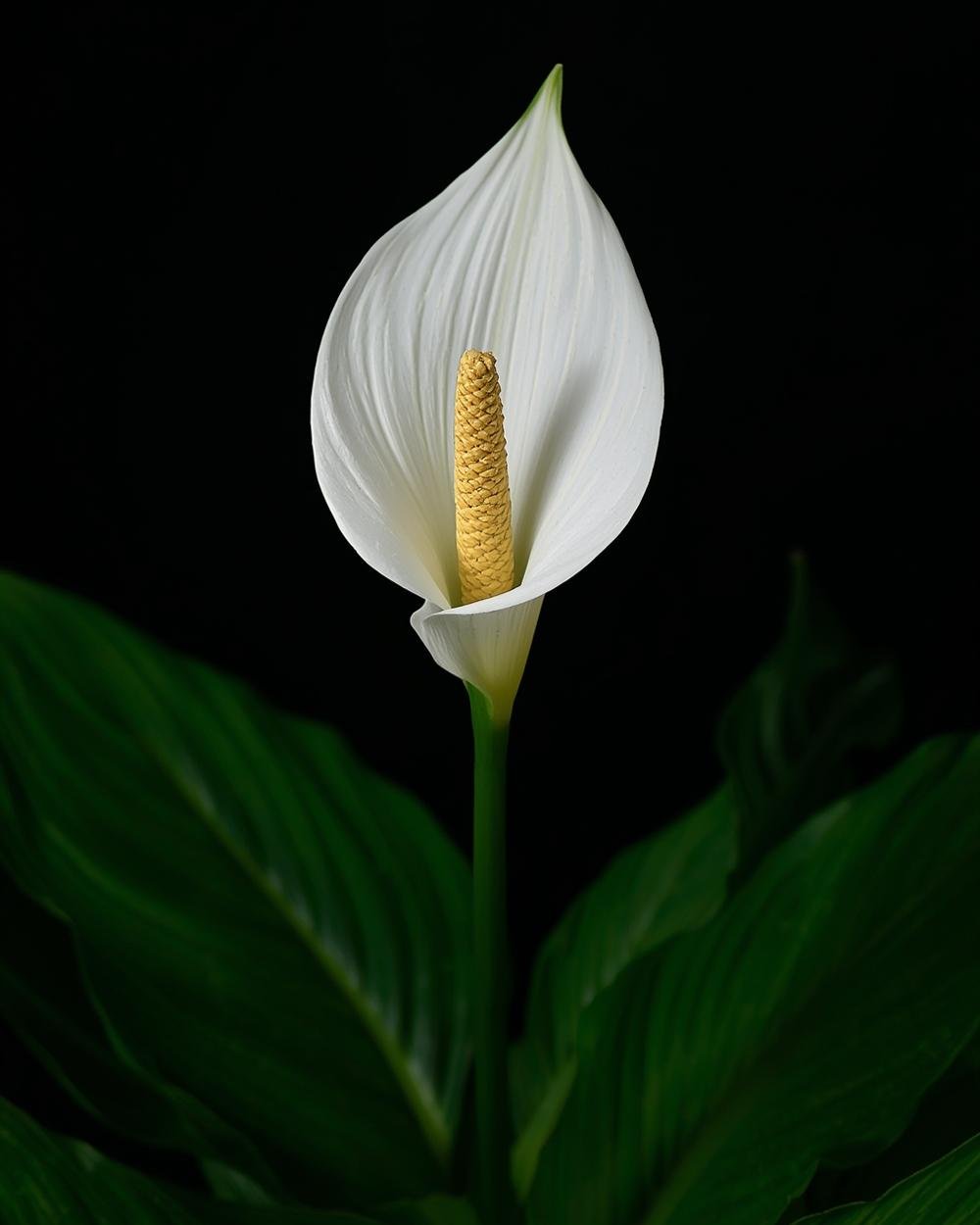
Picture this: a lush, green plant with elegant white blooms brightening a dim corner of your living room. This isn’t just any houseplant—it’s a resilient favorite adored for its air-purifying power and forgiving nature. The peace lily plant thrives indoors, adapting to various lighting and humidity levels, making it a go-to choice for beginners and seasoned plant parents alike. But while this tropical gem tolerates neglect better than most, there’s an art to helping it truly flourish. Mastering peace lily care indoors unlocks its full potential, turning sparse foliage into cascades of glossy leaves and frequent blooms.
Step-by-Step Instructions
1. Light Requirements:
Place your peace lily in bright, indirect light (e.g., near an east-facing window). Avoid harsh direct sun, which scorches leaves. If your space is dim, don’t panic—it tolerates low light but may flower less.
2. Watering Routine:
Water deeply when the top inch of soil feels dry. Use room-temperature water to avoid root shock. Overwatering leads to yellow leaves, while underwatering causes dramatic wilting (though it bounces back quickly).
3. Humidity Strategy:
Aim for 50–60% humidity by grouping plants, using a pebble tray, or misting weekly. Brown leaf tips often signal dry air—a humidifier can be a game-changer for consistent peace lily care indoors.
4. Soil & Fertilizer:
Use well-draining potting mix with perlite or orchid bark. Feed monthly in spring/summer with a balanced liquid fertilizer diluted to half strength.
5. Pruning & Cleaning:
Wipe leaves with a damp cloth to remove dust, boosting photosynthesis. Trim yellow or brown leaves at the base to redirect energy.
Key Tips for Success
– Avoid Fluoride Sensitivity: Peace lilies hate tap water chemicals. Use filtered, distilled, or rainwater if leaves develop brown edges.
– Repot Sparingly: These plants prefer being slightly root-bound. Repot every 2–3 years into a container 1–2 inches larger.
– Pest Management: Inspect regularly for spider mites or mealybugs. Treat with neem oil or insecticidal soap.
Alternative Methods
1. Hydroponic Growing: Place cuttings in water with liquid nutrients for a modern, soil-free display. Change water weekly to prevent rot.
2. Passive Hydration: Use self-watering pots or sub-irrigation systems for fuss-free moisture control if you travel often.
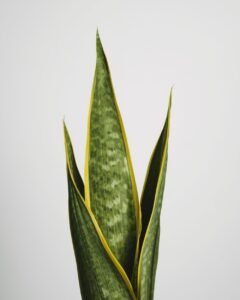
3. Air-Purifying Companions: Pair your peace lily plant with pothos or snake plants to amplify toxin removal (great for office or bedroom setups).
Conclusion
The peace lily plant is more than decor—it’s a living lesson in graceful resilience. By fine-tuning your approach to peace lily care indoors, you’ll create an environment where it doesn’t just survive but thrives. Whether it’s your first houseplant or one in a curated jungle, these adaptable beauties consistently prove that nature’s elegance thrives under attentive care.