Snake Plant Care Guide: Benefits, Watering & Light
Introduction
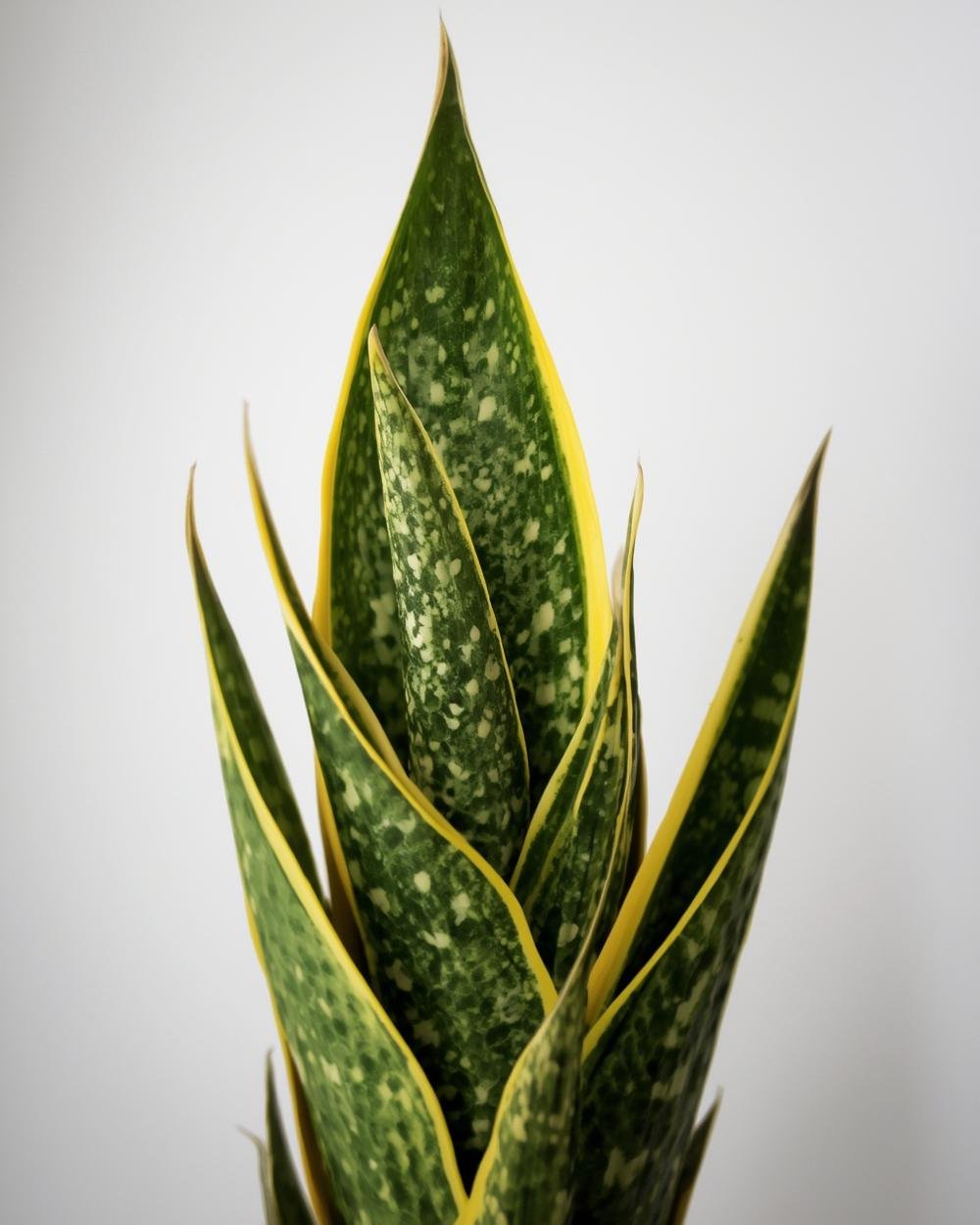
If you’re searching for a houseplant that combines stunning looks with unshakeable resilience, look no further than the snake plant. Also known as Sansevieria or “mother-in-law’s tongue,” this hardy succulent has become a favorite for beginners and seasoned plant parents alike. Not only does it thrive on neglect, but its snake plant benefits extend far beyond aesthetics. From purifying indoor air to boosting mental well-being, this plant is a powerhouse of practical perks. Whether you’re a busy professional or a forgetful waterer, the snake plant adapts effortlessly to your lifestyle while delivering tangible benefits for your home environment.
Step-by-Step Instructions
Caring for your snake plant is refreshingly straightforward. Here’s how to keep it thriving:
1. Light: Place it in bright, indirect light, though it tolerates low-light corners. Avoid harsh direct sun, which can scorch leaves.
2. Watering: Water sparingly—every 2–3 weeks in summer and monthly in winter. Let the soil dry completely between sessions to prevent root rot.
3. Soil: Use a well-draining cactus/succulent mix to mimic its natural arid habitat.
4. Repotting: Refresh the soil or size up the pot every 2–3 years. This is also a great time to divide your snake plant for propagation.
By following these steps, you’ll amplify both the plant’s longevity and its benefits—proving that the snake plant is as functional as it is forgiving.
Tips
– Fertilize minimally: A balanced liquid fertilizer diluted to half-strength, applied once in spring and summer, is plenty.
– Wipe leaves gently: Dust accumulation can hinder photosynthesis. A damp cloth keeps foliage glossy and efficient.
– Monitor temperature: Avoid drafts or temps below 50°F (10°C), as cold stress can stunt growth.
Alternative Methods
For those seeking creative ways to grow snake plants, try these:
– Water propagation: Place leaf cuttings in filtered water until roots emerge, then transfer to soil.
– Terrariums: Use dwarf varieties (e.g., Sansevieria cylindrica) in open glass containers with minimal soil.
– Air-purifying groupings: Pair snake plants with peace lilies or spider plants to maximize indoor air quality.
Conclusion
The snake plant isn’t just a striking accent piece—it’s a low-effort hero that actively enhances your living space. Its ability to filter toxins like formaldehyde and benzene, coupled with oxygen production at night, makes it a top contender for bedroom or office placement. If you’re ready to enjoy a blend of beauty and practicality, explore the full range of snake plant benefits and consider adding this adaptive gem to your collection. Trust us: your future self (and your indoor air quality) will thank you!