Peace Lily Plant Care: Light, Water & Growth Tips
Introduction
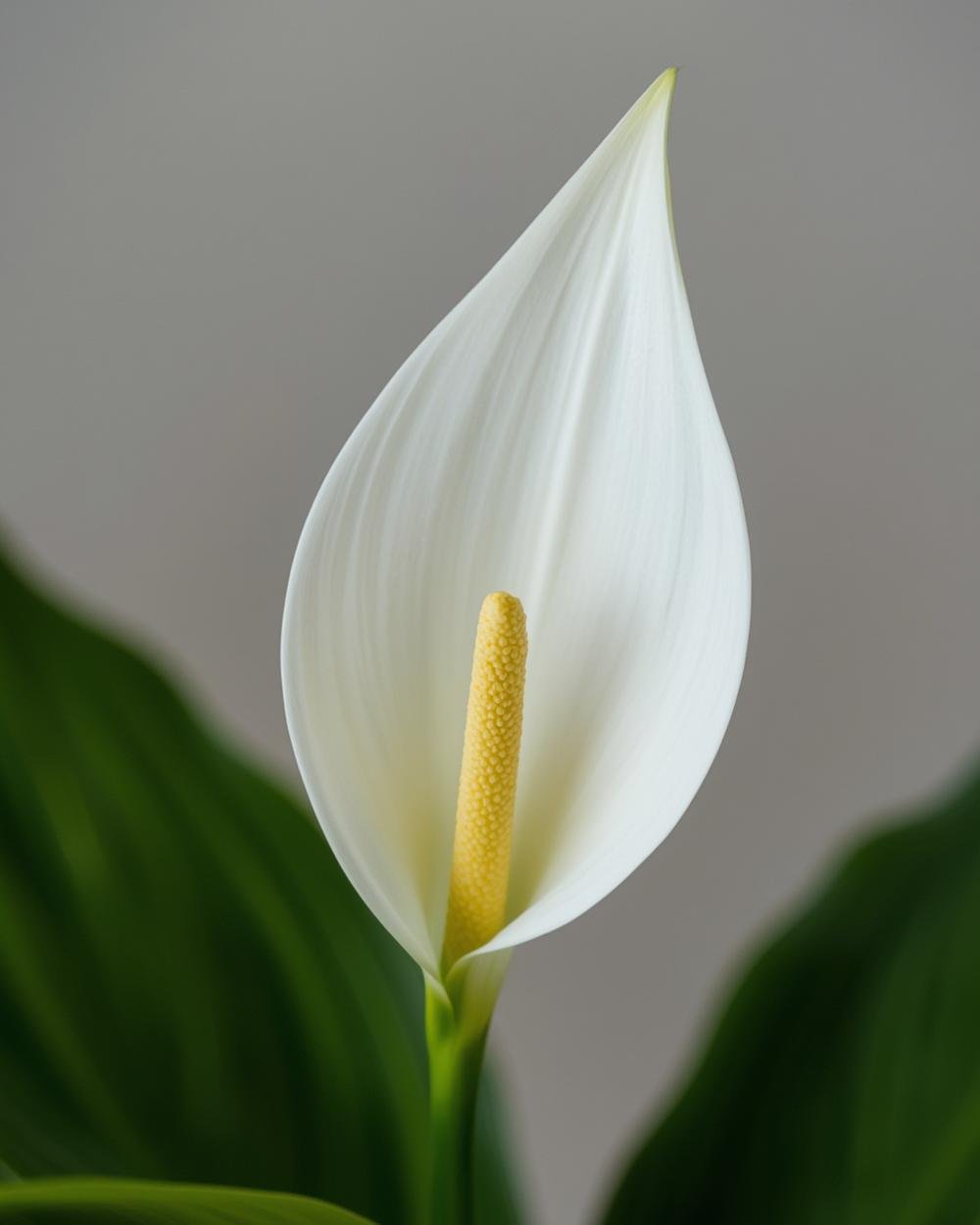
Bringing nature indoors has never been more rewarding than with the elegant peace lily plant. Known for its lush, dark-green foliage and striking white blooms, this tropical beauty thrives in indoor environments, making it a favorite for homes and offices alike. Beyond its visual appeal, the peace lily is revered for its air-purifying qualities, effortlessly removing toxins like ammonia and formaldehyde. But to enjoy these benefits long-term, mastering peace lily care indoors is essential. Whether you’re a seasoned plant parent or a beginner, this guide will walk you through practical steps to keep your Spathiphyllum flourishing year-round.
—
Step-by-Step Instructions
1. Light Requirements: Position your peace lily plant in bright, indirect light. While it tolerates low light, excessive shade can hinder blooming. Avoid direct sunlight—it scorches leaves.
2. Watering Technique: Keep the soil consistently moist but never soggy. Water when the top inch of soil feels dry. Use room-temperature water to avoid root shock.
3. Humidity Management: As a tropical native, the peace lily thrives in 40-60% humidity. Mist leaves weekly or place the pot on a pebble tray filled with water.
4. Feeding Schedule: Fertilize monthly in spring and summer with a balanced, water-soluble fertilizer (diluted to half-strength). Skip feeding in fall and winter.
5. Pruning and Cleaning: Trim yellowing leaves at the base to redirect energy. Wipe dust off leaves with a damp cloth to optimize photosynthesis and pest resistance.
For tailored insights, refer to this detailed peace lily care indoors guide by The Spruce.
—
Tips
– Boost Blooming: If your peace lily isn’t flowering, move it to a brighter spot (still indirect) and ensure consistent warmth (65–80°F).
– Pet Safety: Peace lilies are mildly toxic to pets. Keep them out of reach, or opt for pet-safe alternatives like spider plants.
– Leaf Signals: Drooping? It’s thirsty! Brown tips? Low humidity or chemical-heavy water—switch to filtered or distilled water.
—
Alternative Methods
1. Self-Watering Pots: Ideal for forgetful waterers, these pots maintain steady moisture levels via a reservoir system.
2. Hydroculture: Grow your peace lily in water with added liquid nutrients. Use a clear vase for a modern look (change water weekly).
3. Natural Pest Deterrents: Combat aphids or spider mites with a neem oil spray (1 tsp neem oil + 1L water) instead of harsh chemicals.
—
Conclusion
The peace lily plant is more than décor—it’s a resilient, air-enhancing companion that rewards mindful care. By following these guidelines—especially prioritizing essential peace lily care indoors—you’ll enjoy glossy leaves and serene blooms for years. For deeper care strategies, bookmark the linked resources and let your green thumb thrive! 🌿✨